






Screen-Free Activities for Kids
Share
There are those moments in everyday life when time suddenly drags – in a restaurant between the main course and the bill, in the waiting room, while traveling, or on rainy afternoons at home. It's precisely then that many families look for screen-free activities for children that don't just distract for five minutes but are truly engaging. Something that calms them, meaningfully occupies little hands, and incidentally supports development.
Why screen-free activities for children are so valuable
Children don't need constant stimuli to develop well. On the contrary: especially in the first years of life, concentration, fine motor skills, endurance, and problem-solving abilities often develop in calm, repetitive play situations. When a child closes a button, opens a flap, sorts colors, or matches shapes, much more happens than mere occupation.
Screen-free play options provide room for initiative. The child doesn't follow a fast visual pace but their own. They experiment, repeat movements, make mistakes, and find solutions. This form of learning seems unspectacular but is deeply effective – especially for babies, toddlers, and preschoolers.
Added to this is something often underestimated in family life: quiet. Not every activity has to be loud, flashing, or action-packed. Many children become more balanced precisely when they can be active with their hands and focus their attention on a manageable task.
What truly captivates children in good screen-free activities
Not every good idea works in practice. Parents and grandparents know this well: something looks lovingly designed at first glance but then ends up in the corner after a few minutes. Truly helpful activities usually have three characteristics.
They are age-appropriate. A baby needs different stimuli than a four-year-old child. While for the little ones, materials, contrasts, and simple grasping movements are in the foreground, older children already want to open, close, sort, and solve small tasks more purposefully.
They are open enough for repetition. Children love repetition not out of habit, but because it builds security and skill. A good activity remains interesting because it is familiar and still offers small successes.
And they are suitable for everyday use. If parents first have to gather materials, set them up, and constantly supervise, a good idea quickly becomes additional effort. Solutions that can be used immediately and also work on the go are therefore particularly valuable.
What is suitable for what age?
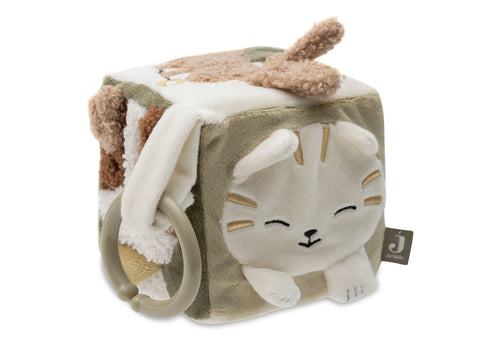
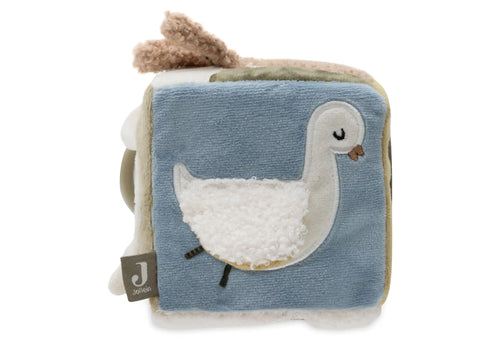
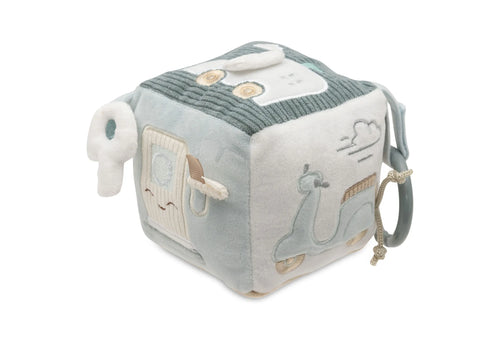
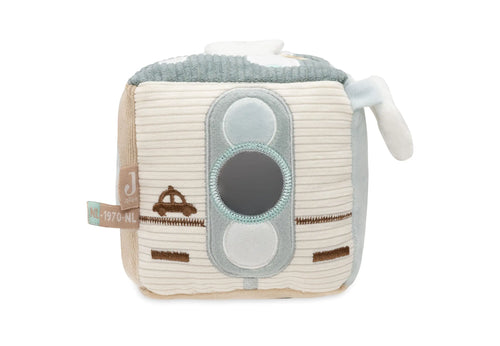
For babies, it's not yet about complex tasks. Here, different surfaces, soft materials, first grasping impulses, and simple visual stimuli count. A calm, safe activity can help them use their hands purposefully and discover initial connections.
For toddlers between approximately one and three years old, play becomes more active. Now, flaps are opened, elements are moved, simple assignments are tried out, and everyday routines are playfully imitated. Children of this age want to do things themselves. The clearer a task is designed, the more likely they are to stick with it.
Preschoolers often already seek small challenges. They like fasteners, sequences, colors, numbers, shapes, and role-play elements. Here, an activity can have a learning aspect – as long as it doesn't feel like instruction. The difference is crucial. If something remains playful, intrinsic motivation arises.
At home: quiet ideas with real added value
At home, the temptation to quickly reach for a screen is great – especially when adults are cooking, tidying up, or taking a short breather. That's why it's worth having a small selection of reliable activities ready at hand.
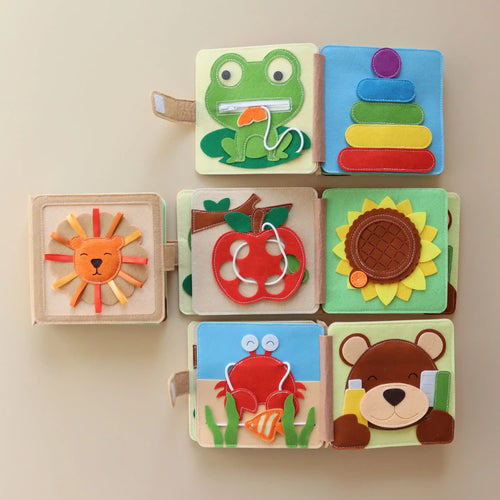
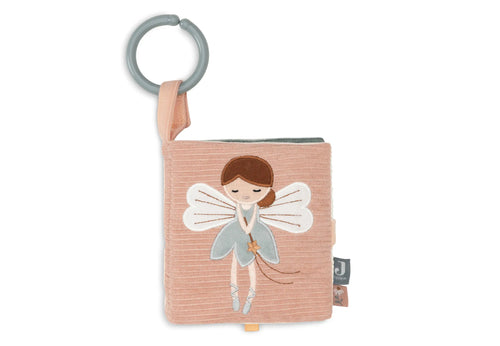
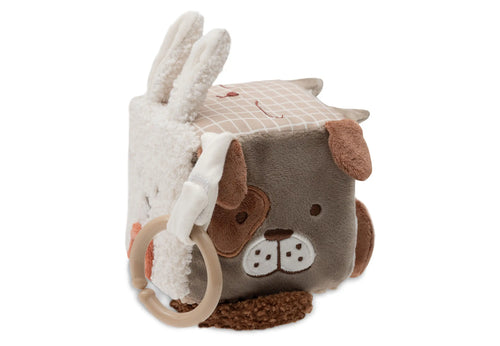
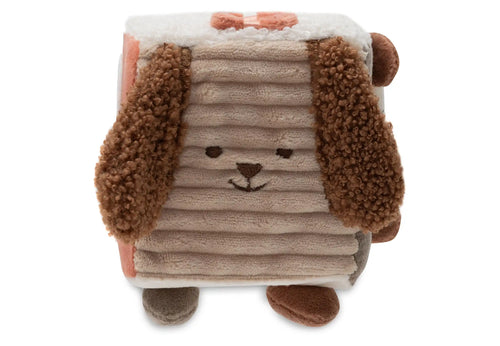
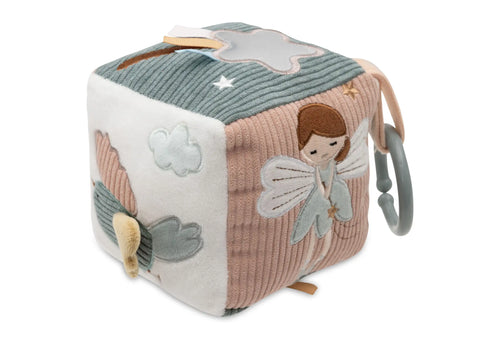
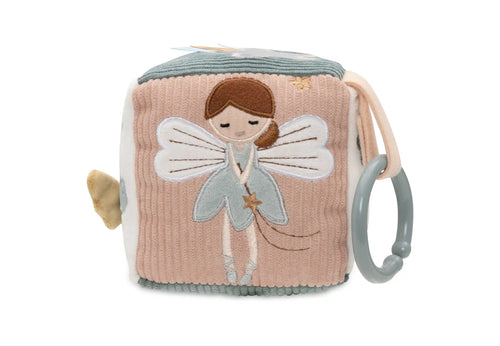
Materials that children can explore independently work particularly well. These include simple sorting tasks, stacking games, lacing, piling, or soft activity books with clear, tangible elements. Such activities address several developmental areas simultaneously: hand-eye coordination, dexterity, concentration, and often language, if parents accompany the action.
The quantity is not important here. An overcrowded shelf tends to overwhelm rather than inspire. It is often more effective to consciously select a few high-quality play options and rotate them regularly. This keeps interest alive without children constantly needing new stimuli.
On the go, one thing matters most: simplicity
Anyone traveling with small children knows how much the environment influences the activity. In the car, on a plane, in a café, or at the doctor's, play must be quiet, clean, and portable. Loose individual parts that fall to the floor cause more stress than relief.
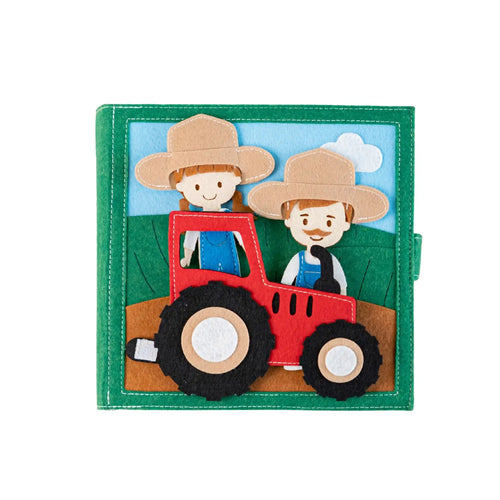
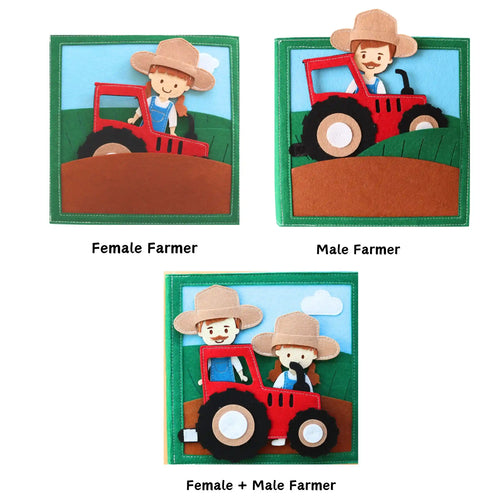
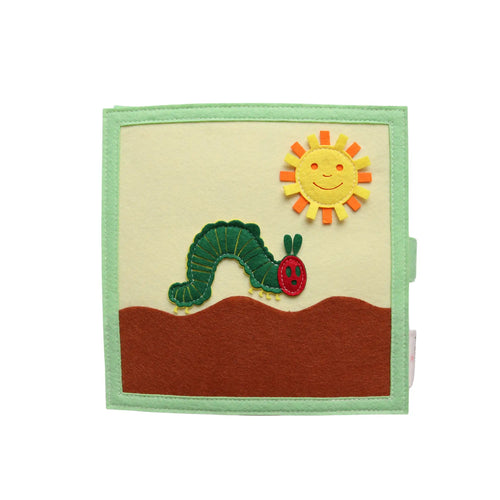
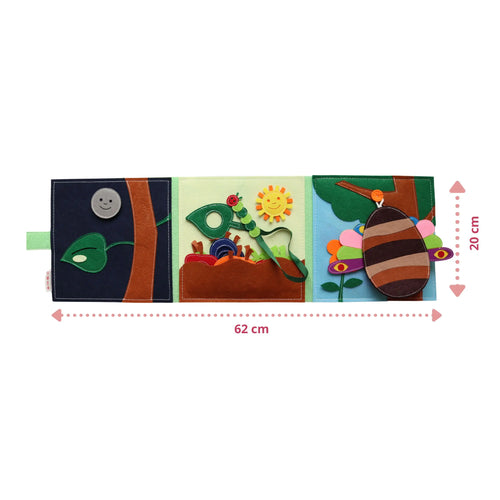
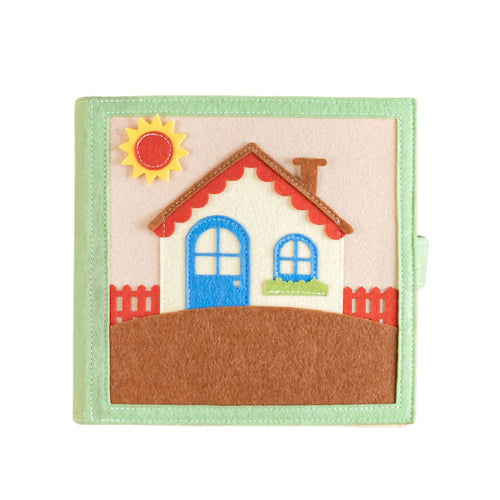
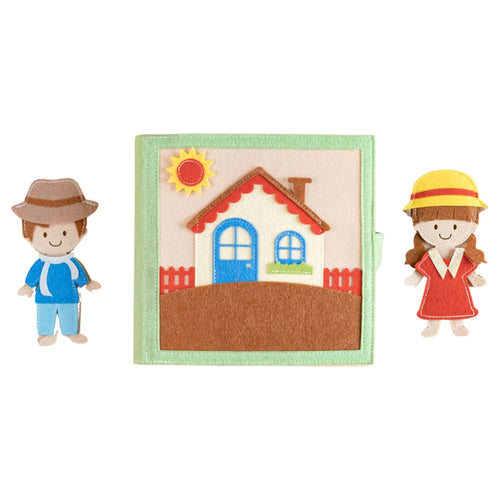
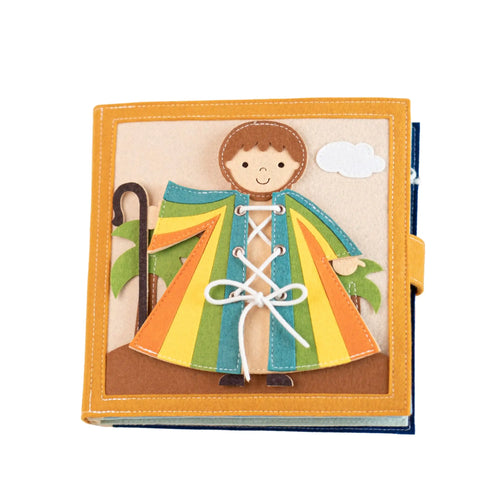
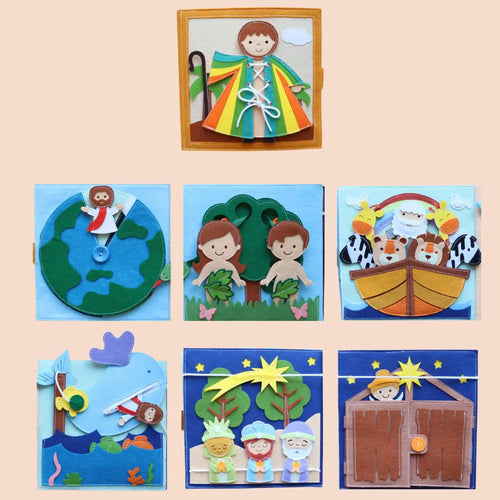
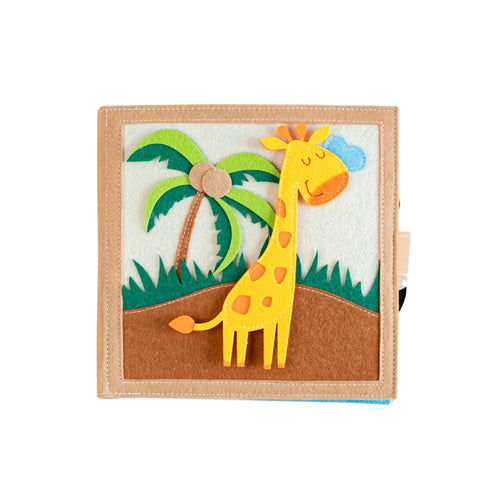
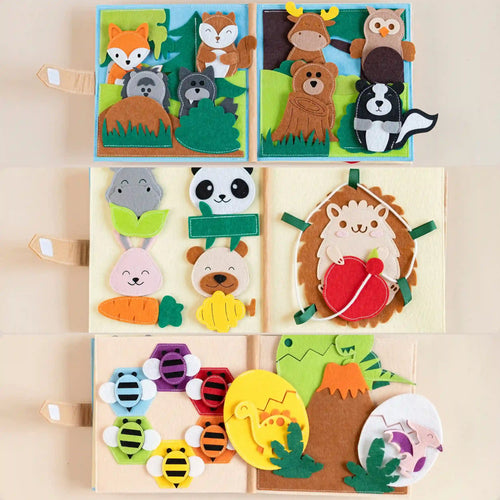
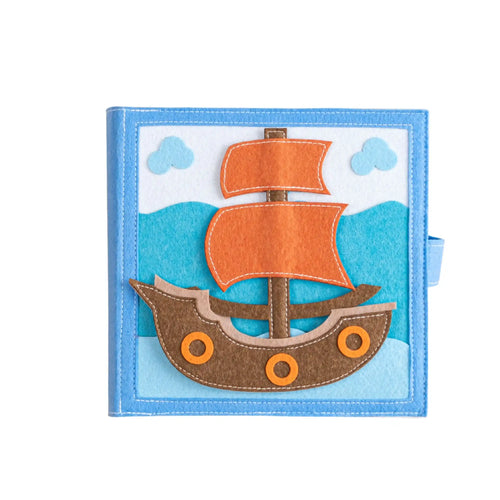
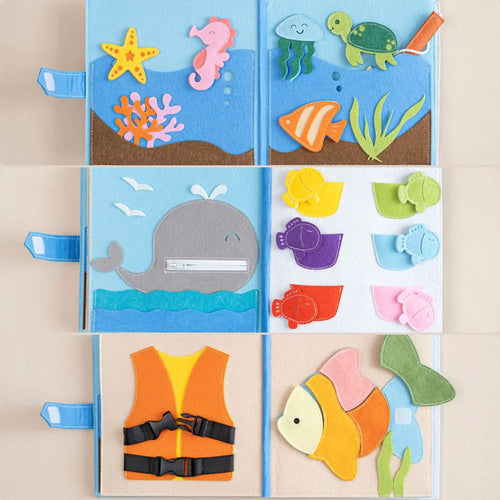
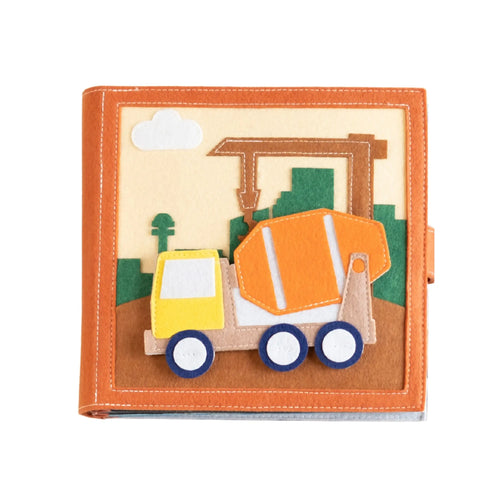
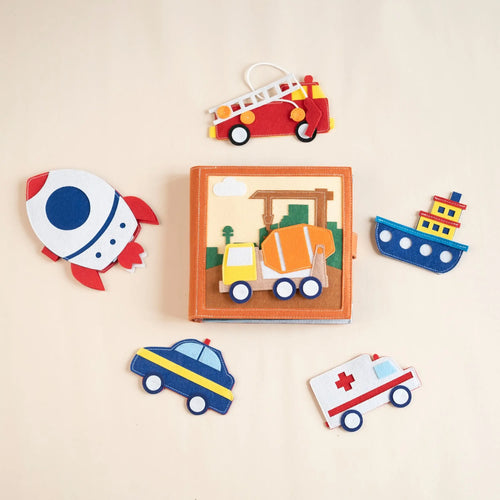
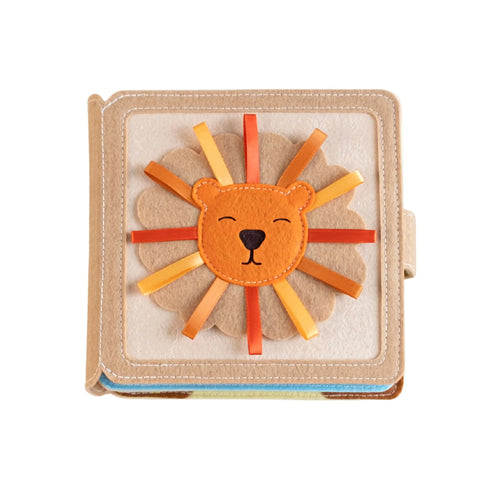
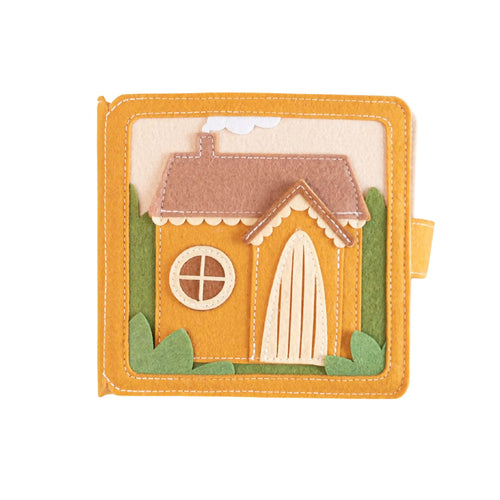
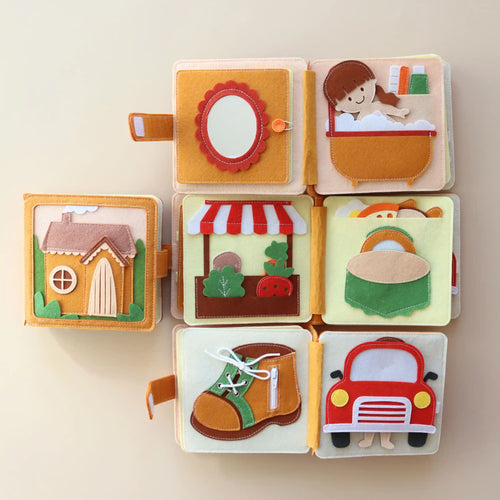
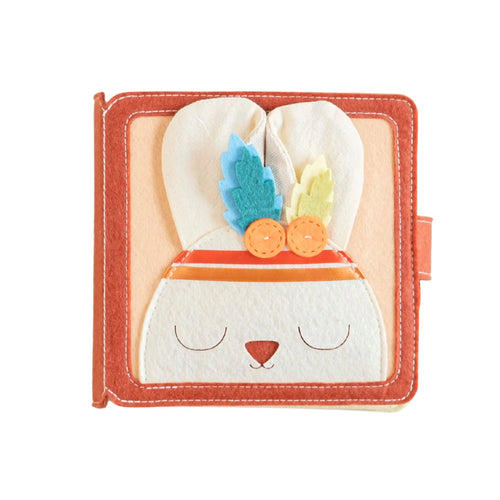
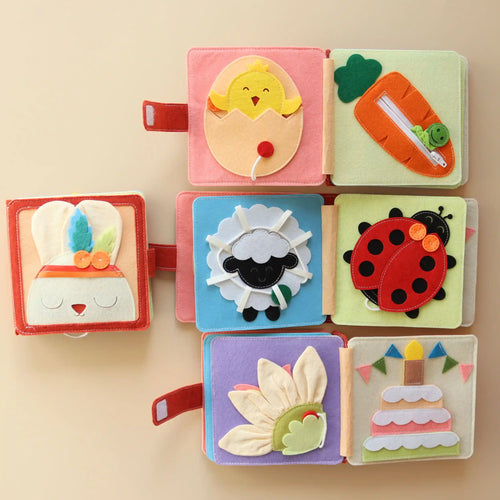
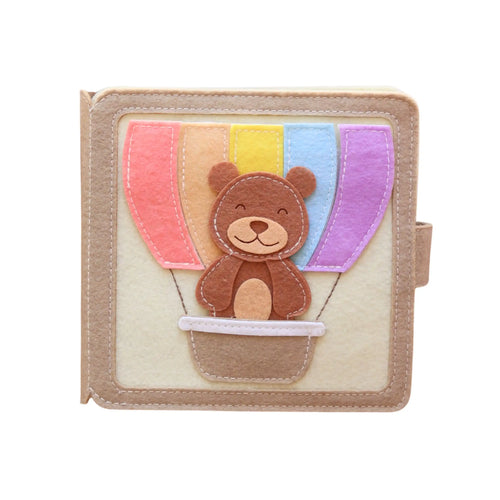
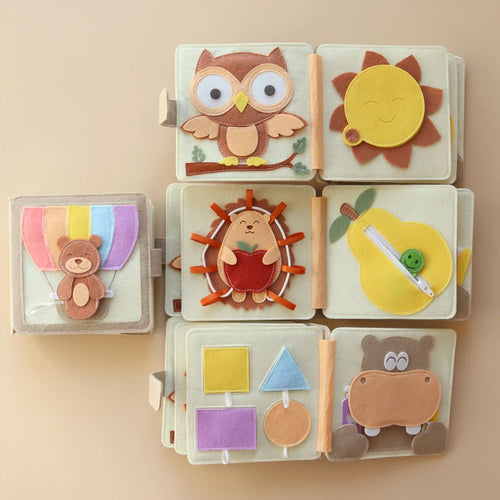
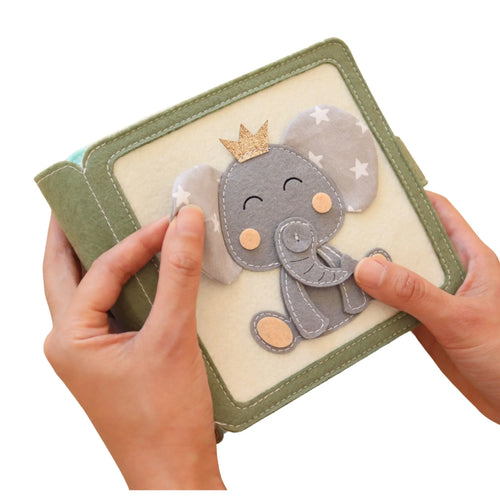
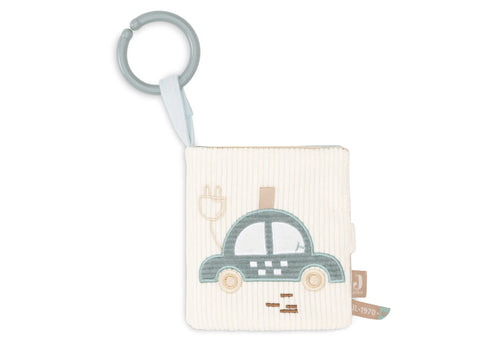
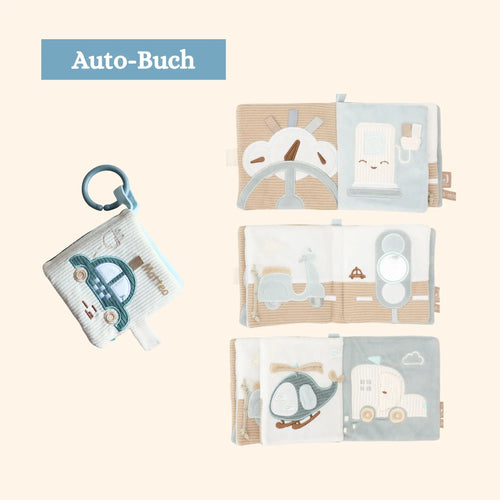
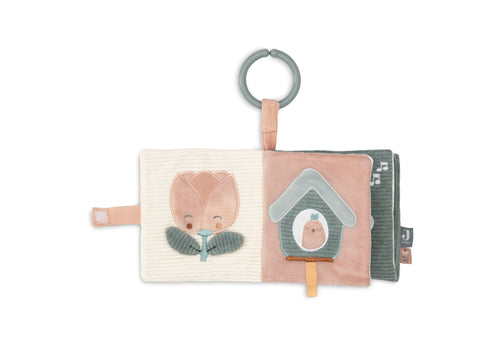
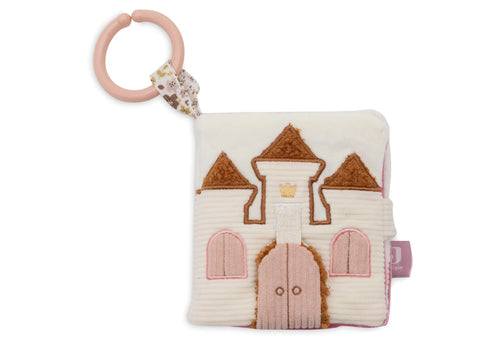
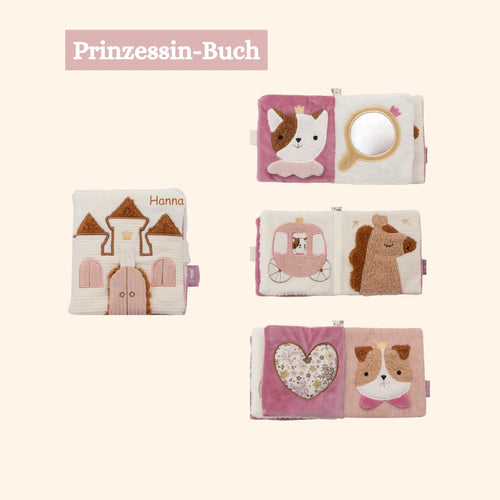
Therefore, activities that are compact and combine many small activities are ideal. Quiet Books are a particularly well-thought-out example of this. They combine various motor and cognitive tasks in a small space – such as buttoning, Velcroing, matching, recognizing shapes, or replaying small scenes. For parents, this is practical because nothing needs to be elaborately prepared. For children, it's exciting because each page brings a new but manageable task.
Especially when traveling or in quiet everyday situations, the advantage of such books becomes particularly clear: they are silent, handy, and reusable. This makes them a form of screen-free activity for children that doesn't just sound nice but works in real family life.
Promoting development without building pressure
Many parents want to offer their child meaningful play opportunities without having to pedagogically charge every moment. That's a good impulse. Children need support, but they also need lightness.
The best activities achieve both. They invite learning without demanding performance. When a child practices closing a zipper or matching colors, they strengthen skills that will be useful later in everyday life. But at that moment, they are simply playing. That is precisely the point.
Montessori-inspired activities are therefore so attractive to many families. They focus on independence, clear structures, and tangible experiences. The child is not entertained but taken seriously. They are allowed to be active instead of just consuming.
Quality makes a real difference in everyday life
Screen-free activities are not just about the idea, but also about the execution. Especially younger children play intensely, often repeat movements, and make heavy demands on materials. If something frays quickly, is complicated to handle, or looks visually overloaded, it loses value.
High-quality, well-designed play materials feel different – for adults and for children. They are more pleasant to hold, last longer, and usually appear calmer. This is particularly suitable for families who consciously choose and prefer to invest in something that is used often, rather than collecting many short-lived alternatives.
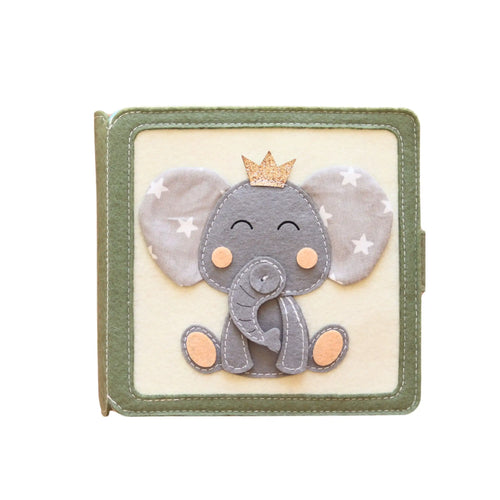
Handmade Quiet Books, like those developed by Habi Kids, precisely meet this desire for meaningful, durable, and beautiful activities. They are not just a nice gift idea, but a play companion that fits into various everyday situations – from quiet mornings to long train journeys.
What relieves parents and truly helps children
Not every screen-free moment needs to be perfectly designed. Sometimes a good, familiar activity that is accepted without discussion is enough. That is often where the greatest relief lies. Parents don't need an endless collection of new craft ideas. They need solutions that reliably work.
Children, in turn, benefit when they don't have to constantly redirect their attention. Recurring play material provides orientation. It creates small rituals and can even facilitate transitions – for example, before meals, during visits, or in waiting times that would otherwise go awry.
Of course, much depends on the child's temperament. Some children love quiet, concentrated tasks immediately. Others need a bit more guidance or switch between activities more quickly. This is not a sign that screen-free activities don't work. It just means that the selection and timing must be right.
Fewer stimuli, more real play
The desire for less screen time is rarely just a rule. Usually, something deeper is behind it: parents want to give their child moments where they are truly themselves. Moments where small hands are active, the gaze remains focused, and activity becomes real play.
That's where something valuable emerges. Not loud, not spectacular, but sustainable. When a child calmly and deeply solves a task, repeats it with joy, and visibly gains confidence, that is often the most beautiful form of development – lovingly accompanied and entirely without a screen.