




Promoting Fine Motor Skills in Babies - Here's How
Share
When a baby purposefully reaches for a cloth for the first time, feels a piece of fabric with their fingers, or transfers a ring from one hand to the other, much more than just a sweet moment is happening. This is exactly where fine motor skills begin. If you want to encourage fine motor skills in babies, you don't need to set up a special program. Much more effective are calm, lovingly prepared impulses that suit their age and truly let their little hands do something.
Fine motor skills don't develop at the flick of a switch. They grow in everyday life – by grasping, touching, holding, letting go, and repeating. This is good news for parents and grandparents, because encouragement doesn't have to be loud or complicated. Often, it's the quiet play situations where babies learn the most.
Why encouraging fine motor skills in babies makes such a difference
Fine motor skills describe the ability to use hands and fingers precisely. At first, it's about very simple movements. A baby opens and closes their hand, reaches for an object, or briefly holds something. Later, more deliberate actions are added, such as pulling tabs, taking out small fabric pieces, or touching different surfaces with noticeable intent.
This development is closely linked to other areas. When babies explore with their hands, they not only train muscles and coordination. They also learn cause and effect, train their perception, and build concentration. An object that rustles when you crinkle it, or a fabric circle that can be pulled out of a pocket, provides immediate feedback. It is precisely this interplay that makes action-oriented play so valuable.
Fine motor skills are also a foundation for later everyday steps. These include eating independently, turning pages, getting dressed, or eventually holding a pen. This doesn't mean that every baby has to "master" something early. It just shows why small hand movements are so significant.
What babies need at different ages
Babies don't all develop at the same pace. Therefore, age indications are always a guide, not a test. The crucial thing is whether an offering sparks curiosity, is safe, and doesn't overwhelm.
3 to 6 months
In the first few months, perception and initial grasping are key. Babies look at their hands, bring them to their mouth, and react to soft materials, gentle sounds, and clear contrasts. At this age, light, easy-to-grasp fabric objects are particularly suitable. Different textures are exciting, as long as they are gentle on the skin.
A toy that is too complex offers little benefit at this stage. If too much blinks, rings, or wiggles at the same time, the baby will be passively entertained rather than actively engaging themselves. Single stimuli that invite looking, touching, and repeated grasping are better.
6 to 9 months
Now, grasping becomes more targeted. Many babies can pass things from one hand to the other, pull on fabric pieces, or hold something much more securely. They don't just want to touch, but to make something happen. Tabs, fabric flaps, or soft elements to pull and push are particularly interesting at this time.
This phase clearly shows the importance of repetition. What looks like "always the same thing" to adults is real training for babies. The more often a movement succeeds, the more stable it becomes.
9 to 12 months
Towards the end of the first year, movements become more differentiated. Babies begin to release, insert, open, or feel small parts with more control. At the same time, their endurance grows. They often stay with one thing longer if it's not overloaded and their hands are meaningfully occupied.
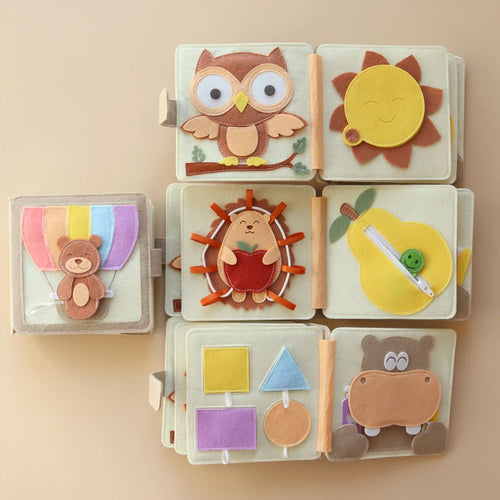
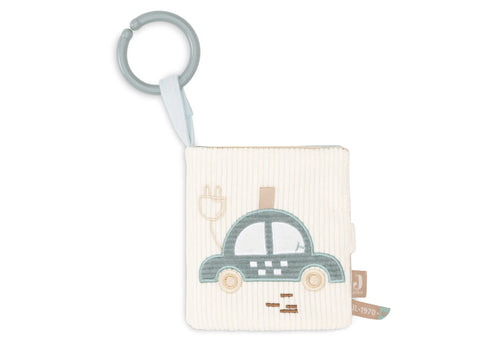
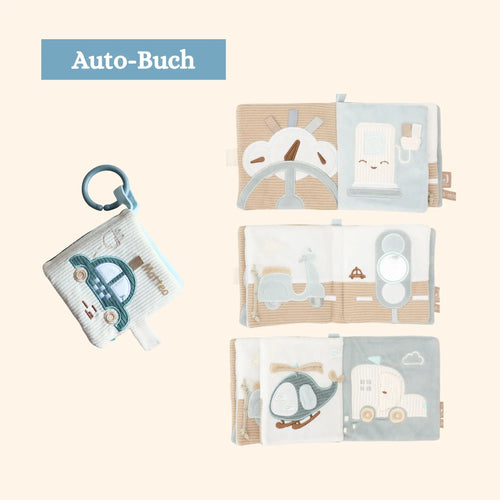
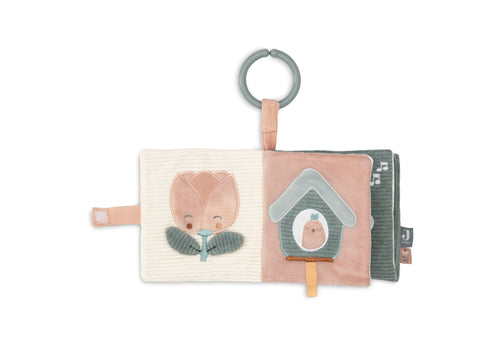
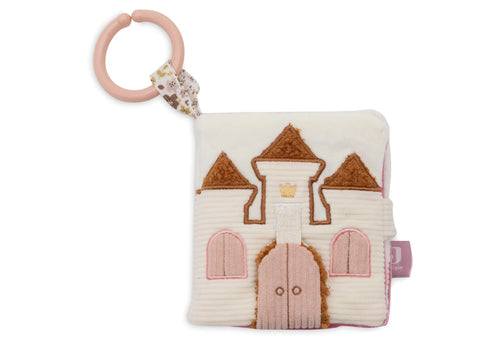
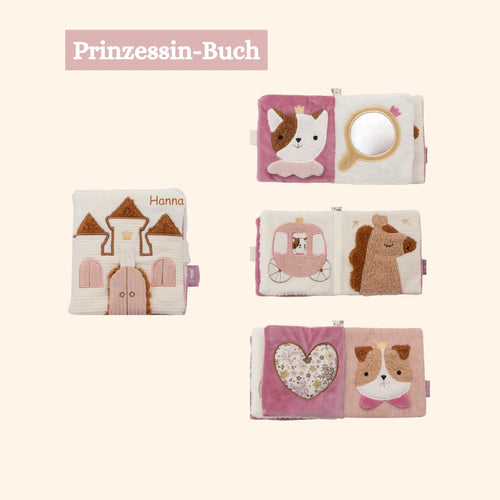
In this phase, materials that offer small tasks without being complicated are helpful. This could be a fabric pouch with a pull-out element or a soft book that combines pages, shapes, and tactile details.
How to encourage fine motor skills in babies – without pressure
The most important principle is simple: the baby should be allowed to act independently. Adults accompany, briefly demonstrate something, and then give space. Encouragement doesn't mean constantly guiding the child's hand. It means creating an environment where small successes are possible.
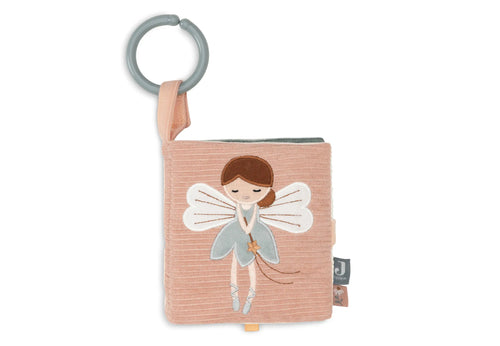
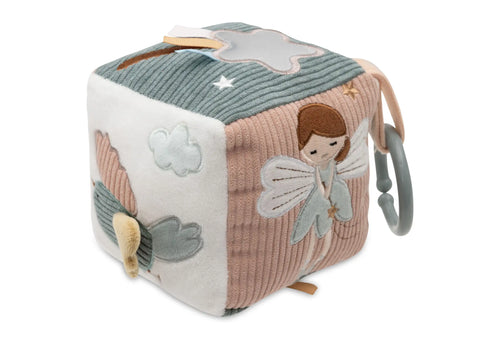
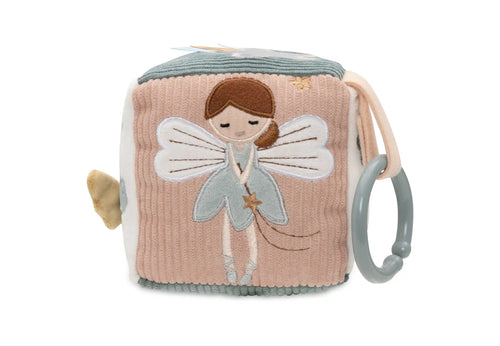
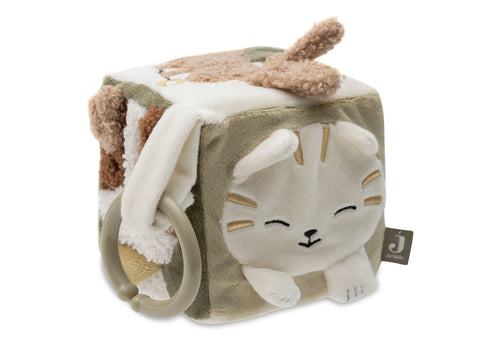
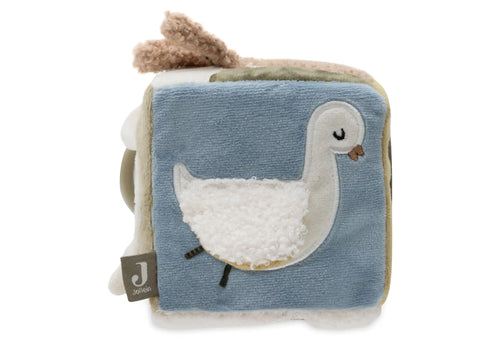
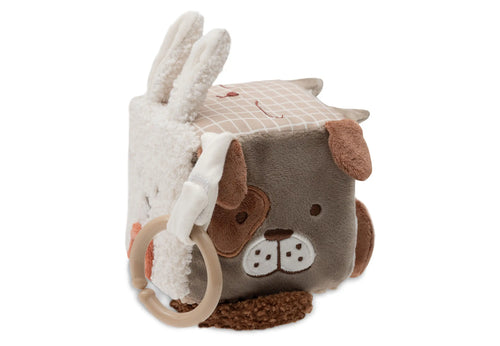
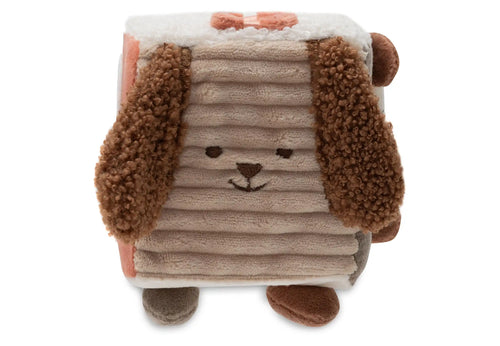
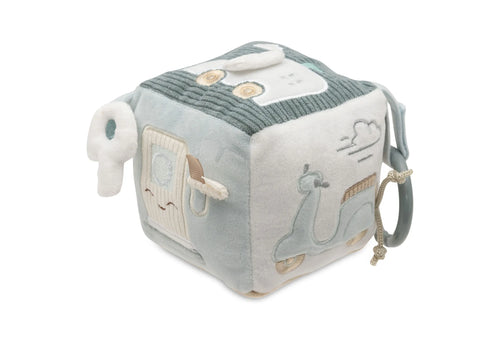
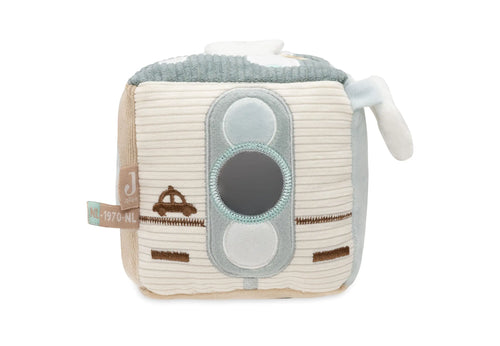
Quiet play situations are ideal for this. A baby doesn't need an overstimulation to learn. Often, a few carefully selected elements that fit well in small hands and have a clear purpose are sufficient. Materials that are soft, safe, and versatile are particularly valuable. Fabric toys or age-appropriate activity books can come into play here, as they combine touching, pulling, grasping, and repeating.
The duration also plays a role. A short, focused play session of a few minutes is often more helpful than a long offering when the baby is already tired. Encouragement works best when the child is awake, fed, and receptive.
Everyday ideas that strengthen little hands
Many things that support fine motor skills can be easily integrated into the day. When changing diapers, a small fabric cloth can be placed within reach for the baby to grasp and crinkle. On the play mat, a soft grasping ring, a fabric book, or an element with different surfaces can be offered. In the stroller or when traveling, quiet activities that don't involve screens but keep hands active are helpful.
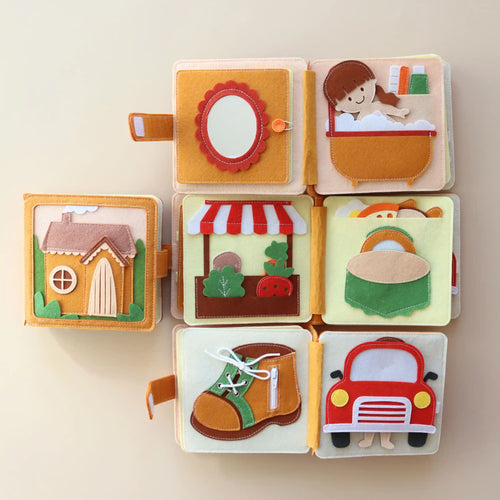
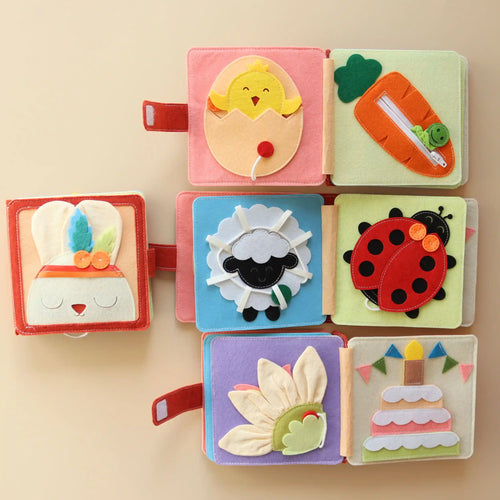
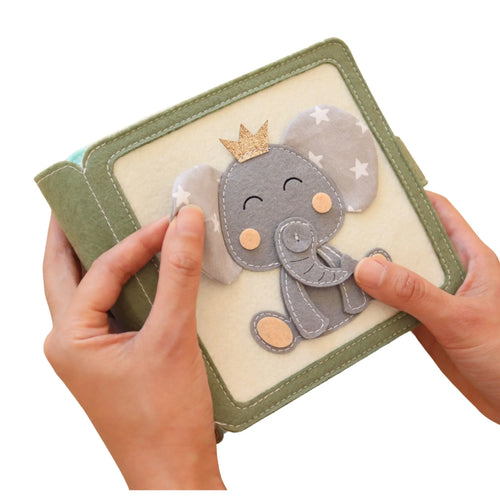
Toys that trigger a clear action are particularly suitable. When a baby pulls on a felt tab and something moves, they quickly understand the connection between movement and effect. This type of experience is focused, meaningful, and often surprisingly calming.
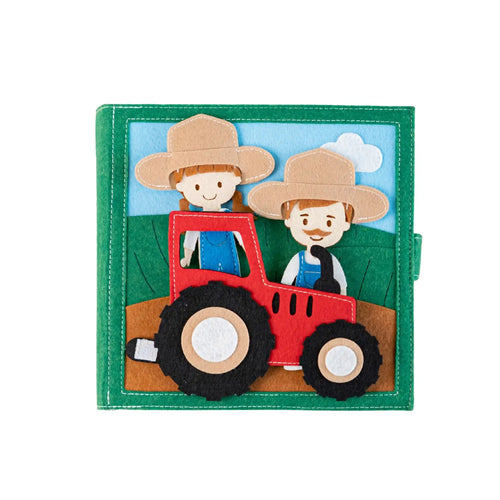
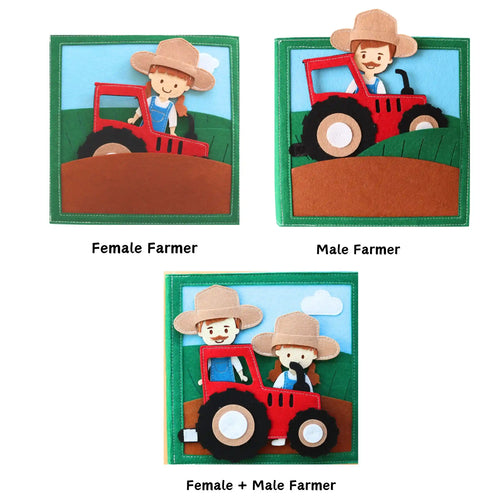
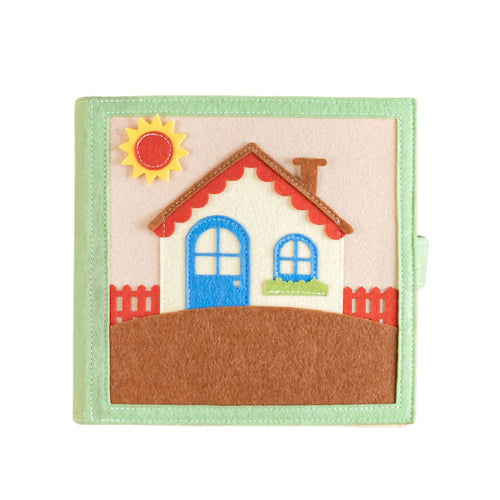
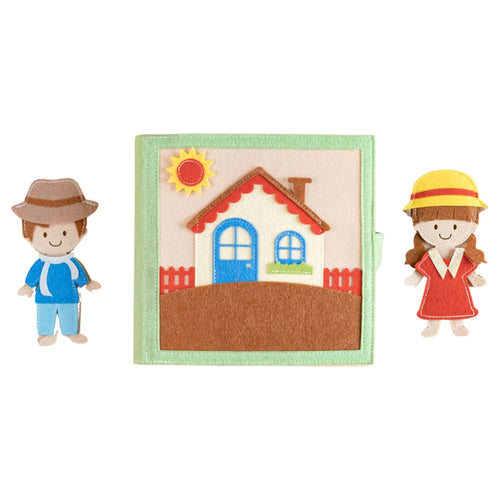
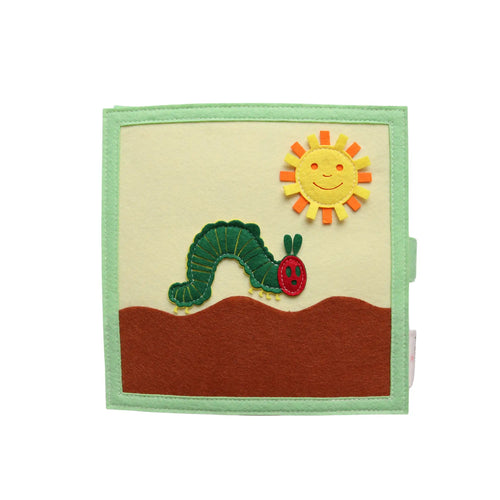
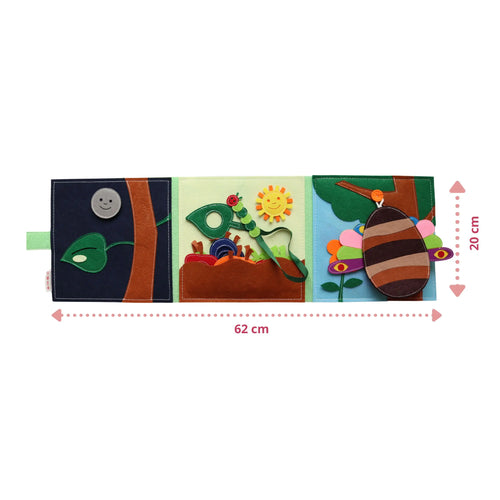
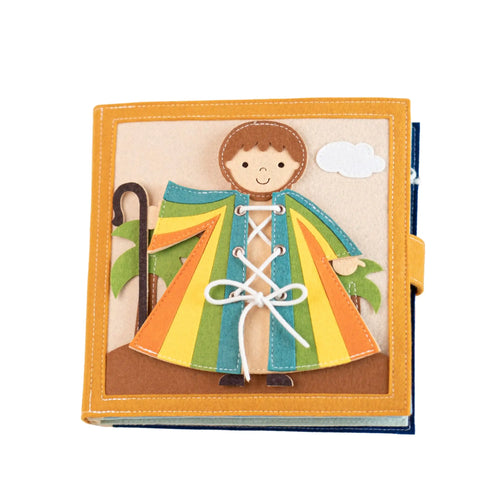
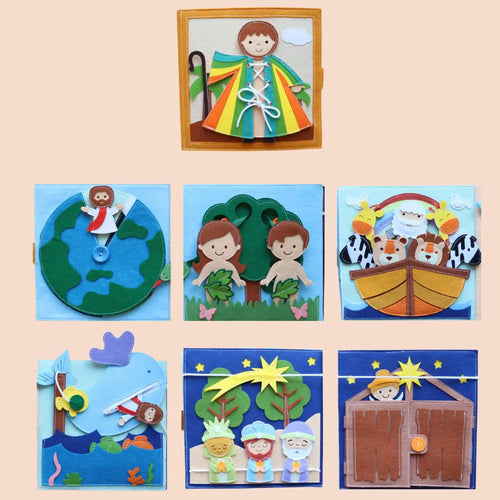
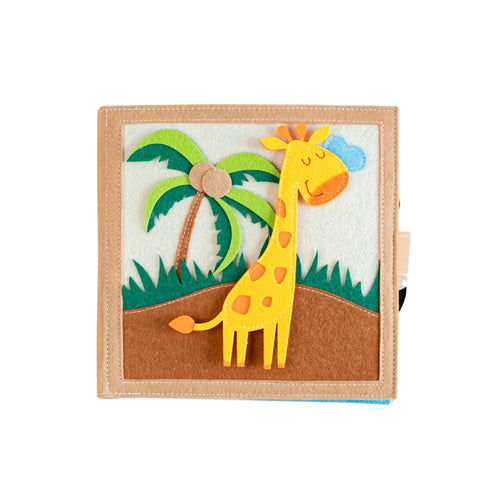
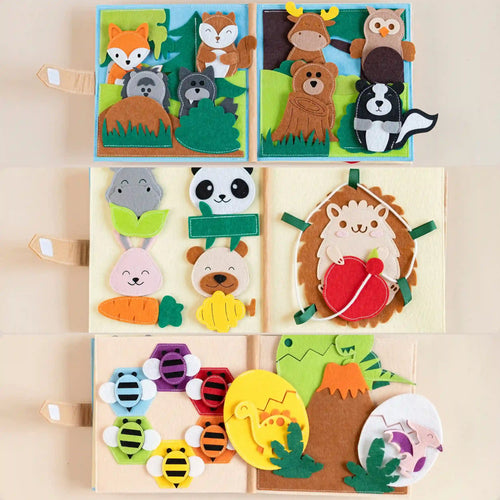
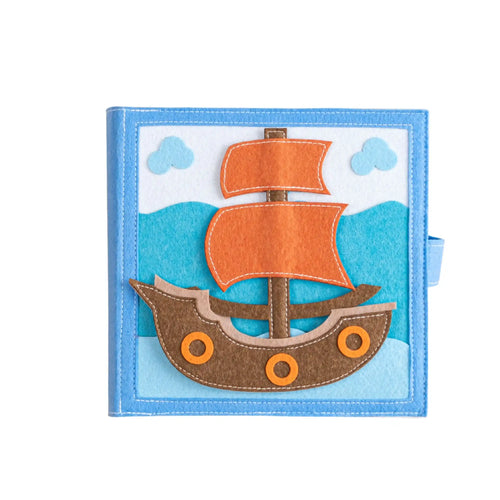
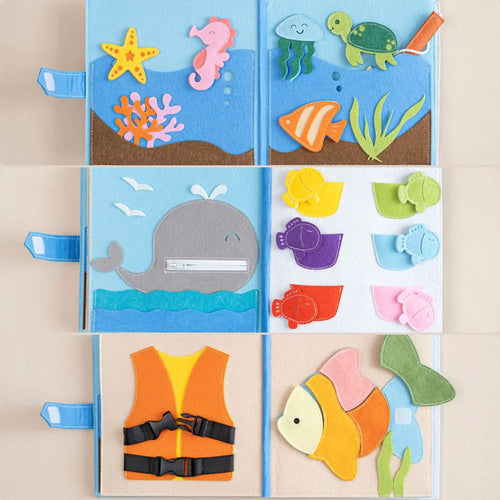
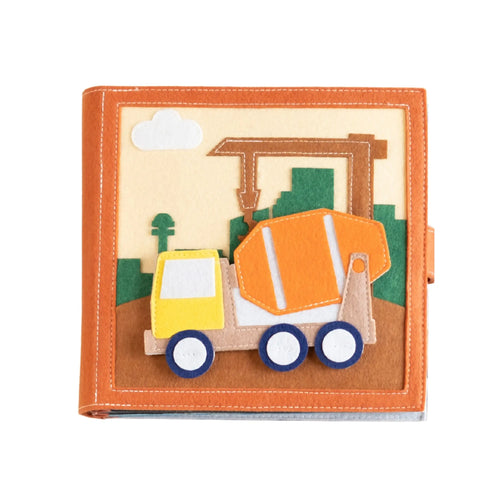
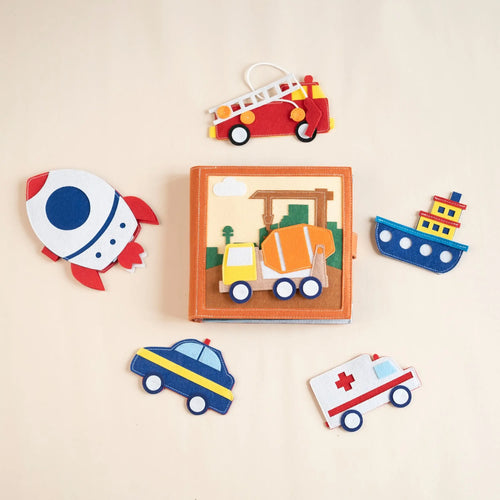
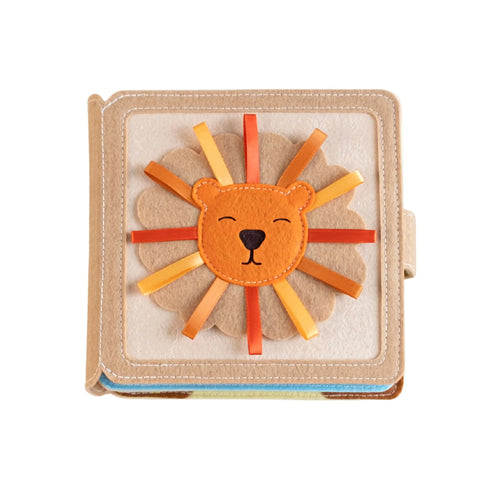
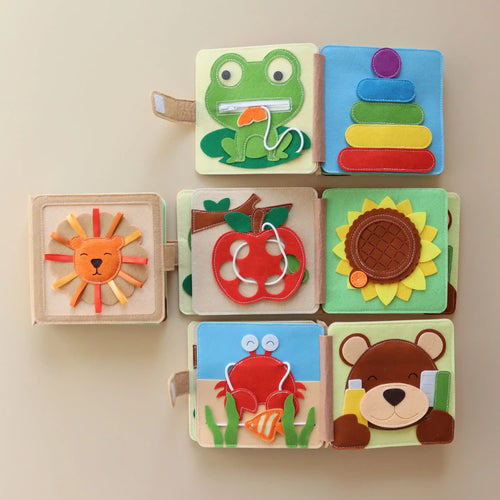
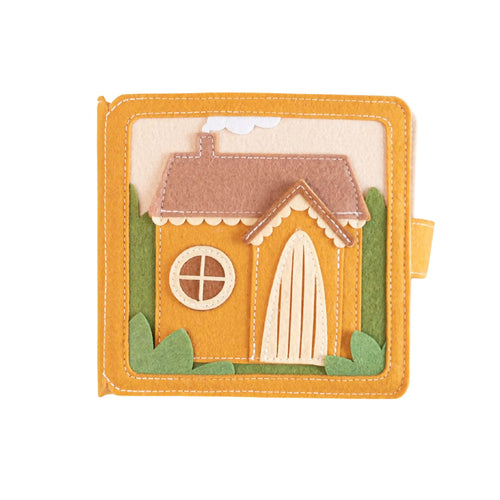
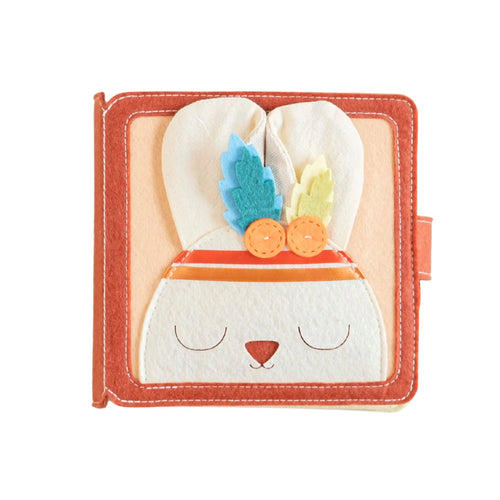
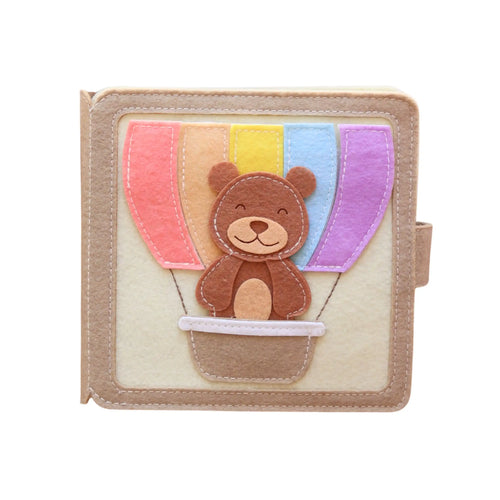
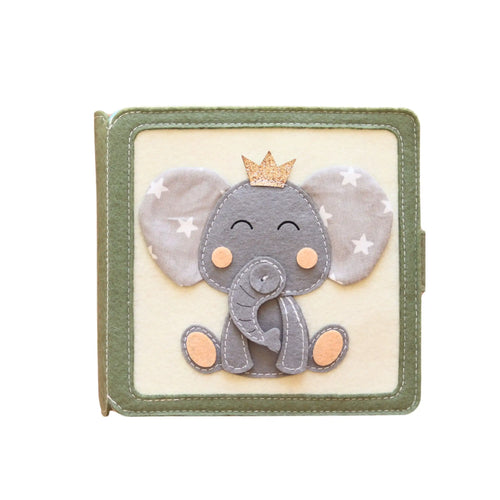
Handmade Quiet Books or Montessori-inspired fabric books fit well into such moments because they don't overstimulate and at the same time offer many small opportunities for grasping. For babies, soft, simple variants that focus on a few, easily graspable activities are particularly suitable. At Habi Kids, this quiet, thoughtful engagement is central – lovingly designed, high-quality workmanship, and suitable for little explorer hands.
Which materials are truly useful
Not every baby toy automatically promotes fine motor skills. Some products relieve the child of activity because they provide light, music, and movement at the push of a button. This can be fascinating in the short term, but often demands less from the hands than it seems.
Useful materials are those that are light enough to hold, offer different surfaces, and invite active movement. Fabric, felt, soft loops, crinkle elements, or tactile appliqués usually work better than rigid, heavy, or overloaded objects. The workmanship also deserves attention. Especially when small hands explore a lot and the mouth is often used for exploration initially, materials should be safe, cleanly processed, and pleasant to the touch.
The quantity also matters. Less choice often creates more depth. If only one or two well-suited toys are available, babies will engage with them more concentratively than if many stimuli compete for attention simultaneously.
How parents can tell if an offering is suitable
A suitable play offering rarely shows itself through spectacular reactions. Rather, one sees concentrated gazes, repeated grasping, careful touching, and the willingness to try something multiple times. That is a good sign.
If a baby quickly looks away, becomes restless, or cannot grasp the material at all, perhaps either the timing or the difficulty level is not right. This is not a problem, but merely an indication. Sometimes it helps to offer the same impulse again a few weeks later.
Temperament also plays a role. Some babies immediately like new materials, others need longer observation phases. Therefore, encouragement is never just a question of the right product, but also of the right moment.
Common mistakes when encouraging fine motor skills
Well-intentioned is not always well-executed. One of the most common mistakes is too much help. If adults demonstrate, correct, or accelerate every movement, the baby misses the opportunity to find solutions themselves. Another point is overstimulation. Toys that are too loud, too colorful, or too packed can distract from the actual handiwork.
Comparisons are also unnecessarily stressful. One baby grasps purposefully earlier, the other first intensely explores surfaces and movements. Both can be completely normal. Fine motor skills develop in steps, and these do not always progress linearly.
Those who carefully accompany rather than push create a better foundation. Little hands don't need perfection. They need time, security, and thoughtfully chosen materials.
The most beautiful thing about this development is that it grows in silence. A grasp, a repeated movement, a curious touch – from this, skill, self-confidence, and joy in one's own actions gradually emerge. That's why it's worth not just occupying babies, but taking their hands seriously with love, calm, and good materials.