




Sensibly choosing motor skills toys for children aged 2 and up
Share
At two years old, something wonderful and challenging often happens: children suddenly want to do everything themselves. Zipping up zippers, opening flaps, pressing buttons, stacking, sorting, threading. This is precisely where developmental toys for 2-year-olds become exciting – not as a nice side activity, but as a real tool for development, everyday life, and calm play moments.
Why developmental toys are perfect for 2-year-olds
Around 24 months, a baby increasingly becomes a small child with their own will. Their hands work more precisely, movements become more accurate, and their interest in cause and effect noticeably increases. A child at this age doesn't just want to look at something; they want to touch it, try it out, repeat it, and master it themselves.
Good developmental toys address this exact need. They don't just train the hand in isolation; they connect movement with thought. When a child guides a button through a hole, correctly matches a shape, or opens a clasp, they are simultaneously working on fine motor skills, concentration, patience, and problem-solving.
For many families, this is also valuable in everyday life. Toys with a clear task and pleasant feel can create calm, screen-free moments – at home, on the go, in a restaurant, or while traveling. Children who quickly seek a lot of input often benefit from materials that keep their hands busy without being loud or hectic.
How to recognize good developmental toys for 2-year-olds
Not every toy with colorful parts is automatically meaningful. At this age, the quality of the play idea matters more than the quantity of functions. A good product offers a task that a child can understand but doesn't immediately master completely. It should motivate, not overwhelm.
Especially helpful are toys that allow for clear actions: opening and closing, plugging and pulling, turning, sorting, pushing, pressing, or connecting. Such movements later reappear in everyday life, for example, when getting dressed, eating, or handling small objects.
Equally important is the material. Developmental toys for two-year-olds should feel pleasant in the hand, be sturdily made, and avoid unnecessary overstimulation. Too many sounds, glaring effects, or flashing elements often distract rather than promote concentrated play. Children at this age don't constantly need new stimuli. They need good tasks that they can grasp with their hands.
What skills children are developing at 2 years old
When parents or grandparents are looking for a gift, a quick look at development can help. At two years old, it's often about refining already familiar movements. Gross motor skills: many children walk more confidently, climb more, and carry things from A to B. Fine motor skills become more exciting: pincer grip, working with both hands, and more precise grasping become increasingly accurate.
Added to this is the desire for independence. A child doesn't just want to play; they often want to do exactly what adults do. Clasps, pockets, tabs, buckles, turning movements, or matching tasks are therefore so appealing. They give the feeling: I can do this myself.
This is also where the difference from toys for younger children lies. For babies, it's more about first touching, feeling, and simple grasping movements. From two years old, there can be a bit more structure. The task must be visible, and the child should experience a small sense of achievement when something succeeds.
These types of developmental toys are particularly worthwhile
Especially suitable are toys that require active actions and are repeatable. Pegboards, simple puzzles with handles, lacing games with large pieces, or sorting boxes can work very well at this age. Everyday training in a playful form – such as buttons, zippers, Velcro, buckles, or loops – is also valuable because it builds direct bridges to family life.
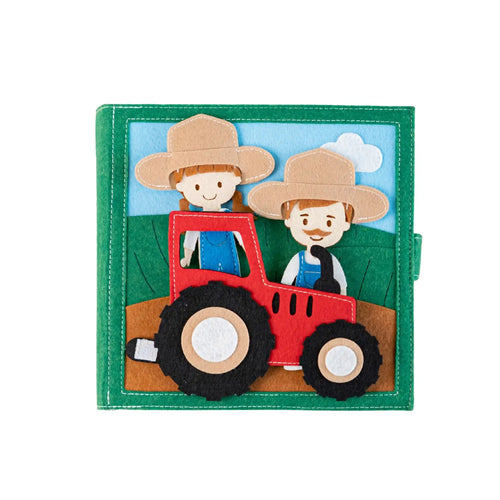
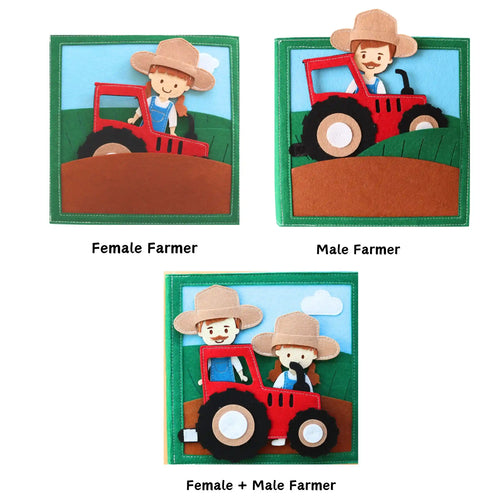
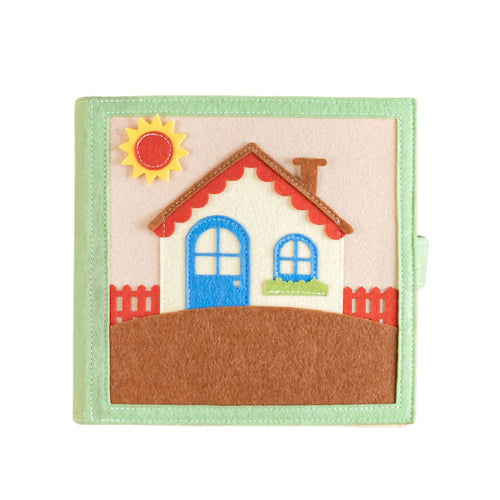
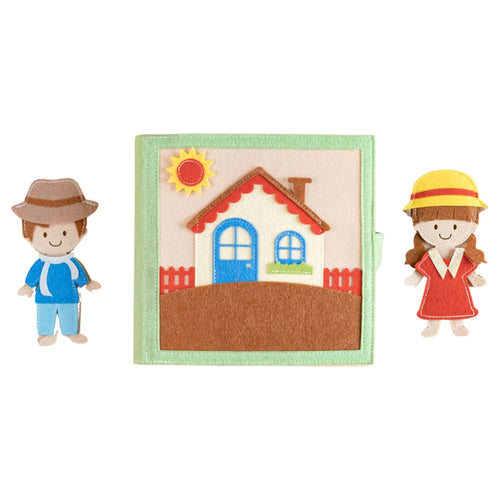
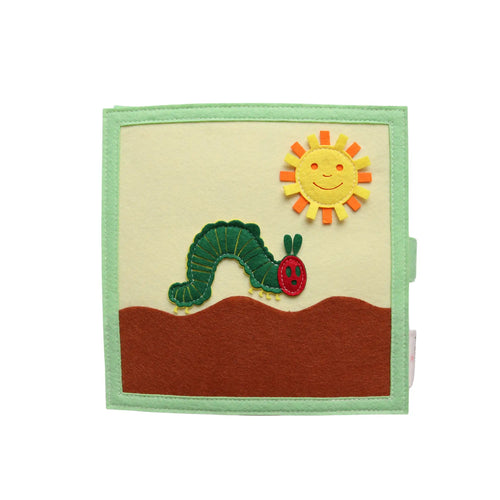
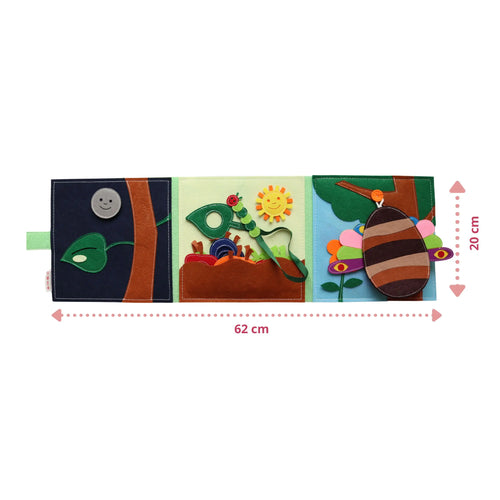
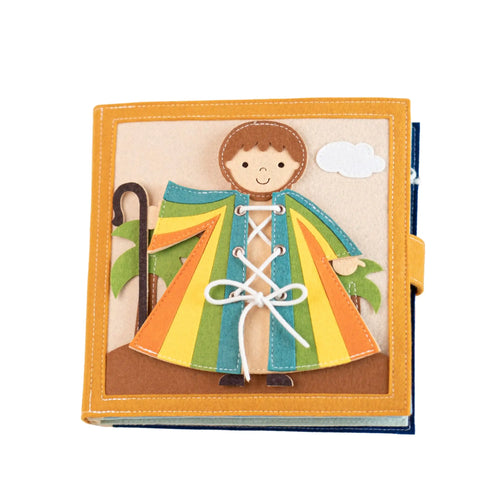
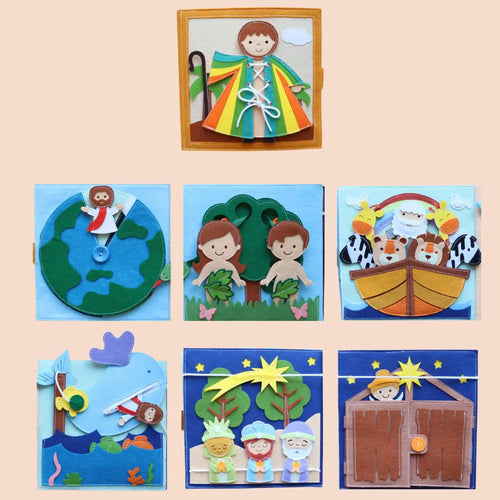
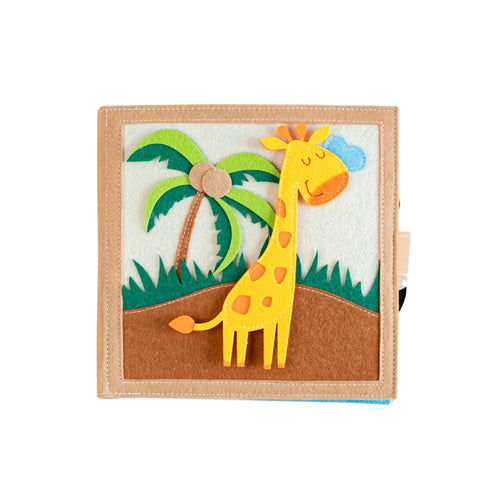
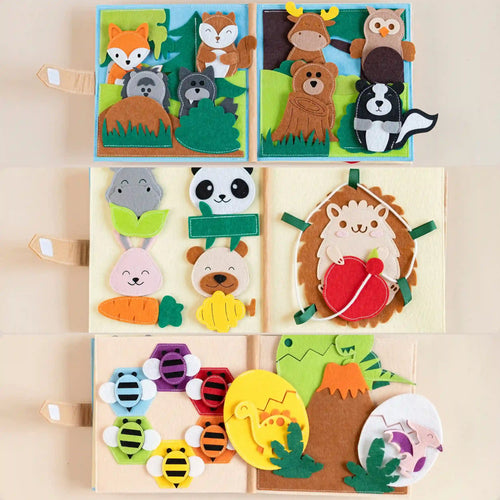
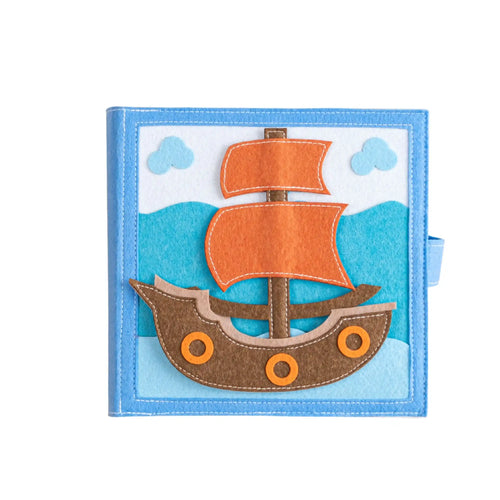
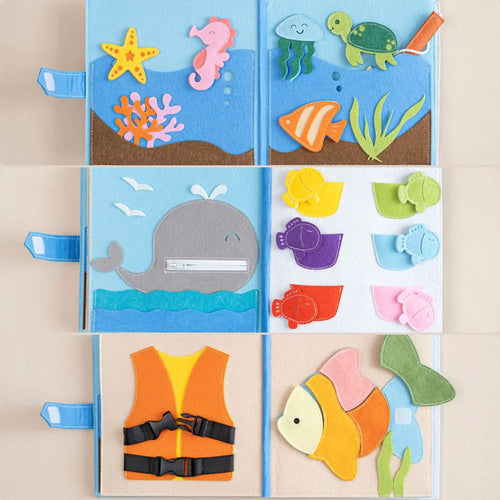
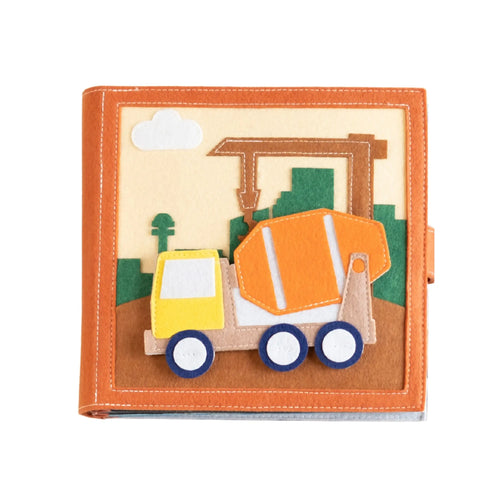
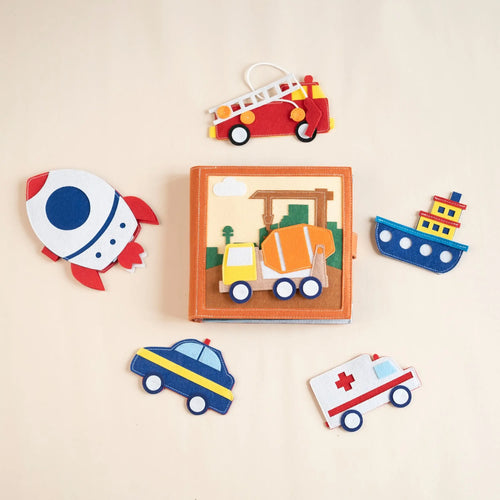
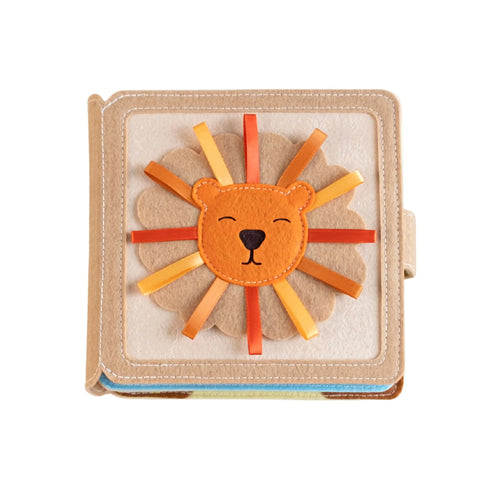
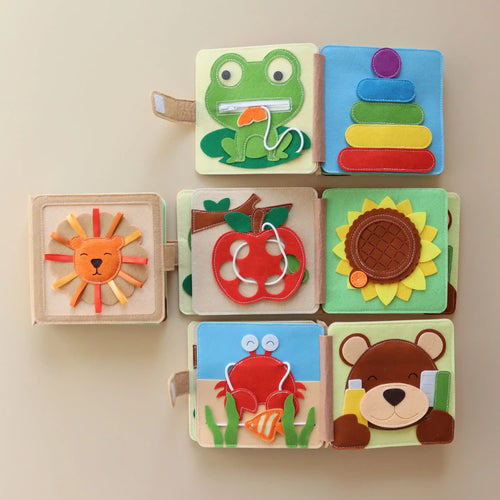
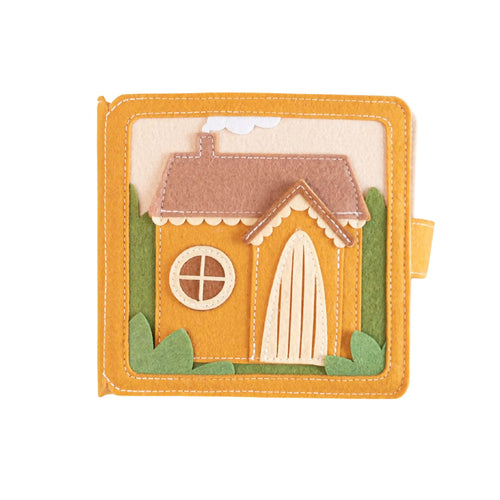
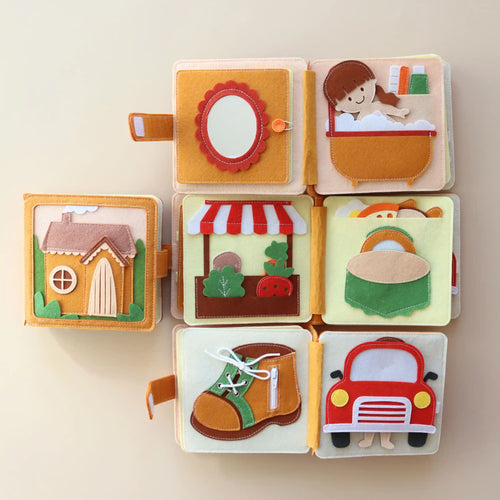
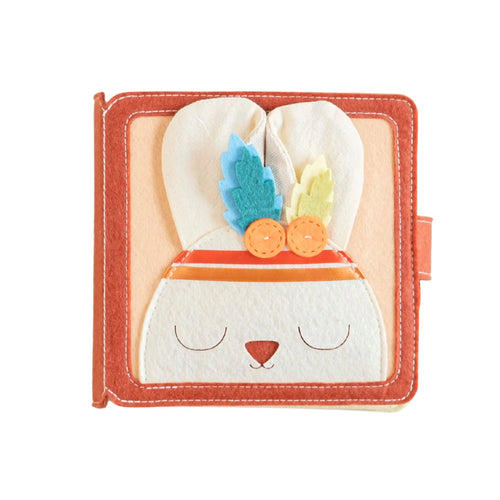
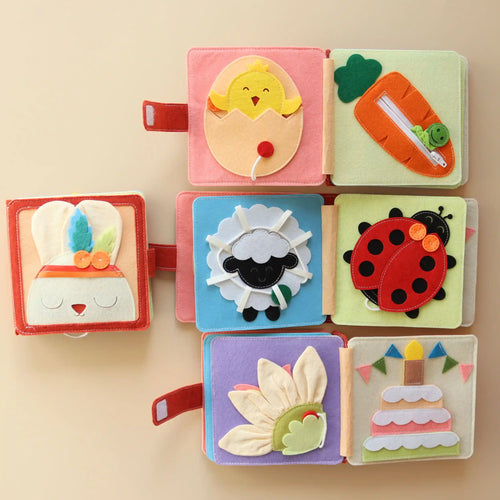
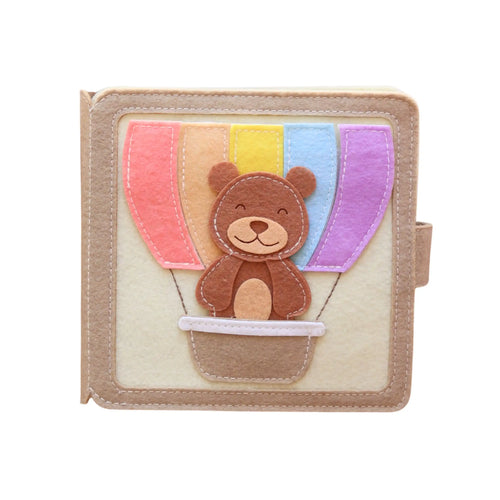
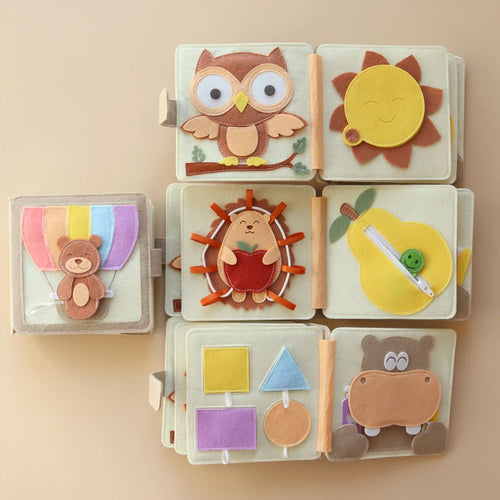
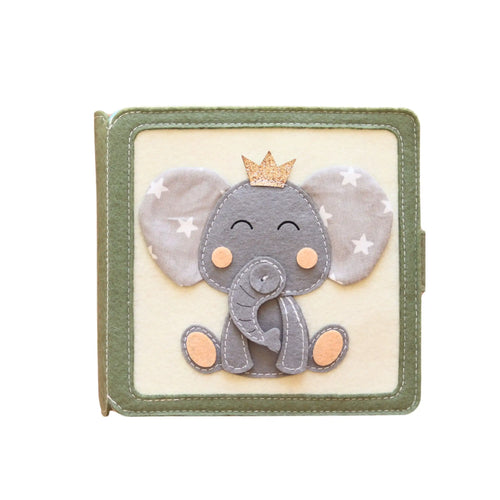
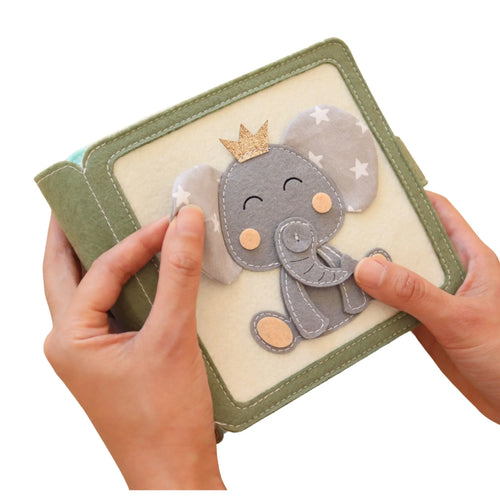
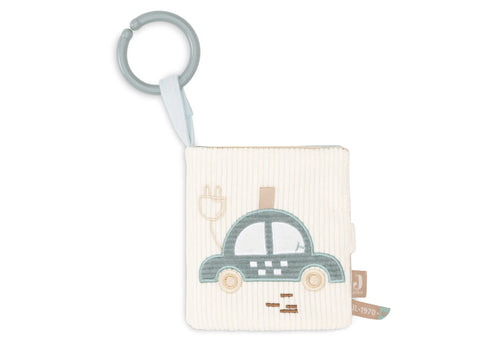
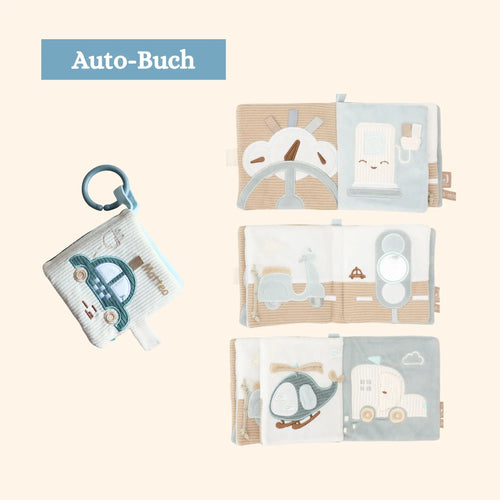
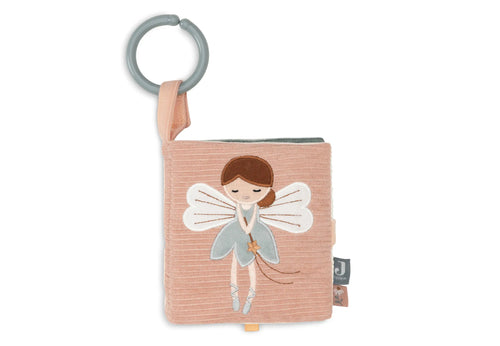
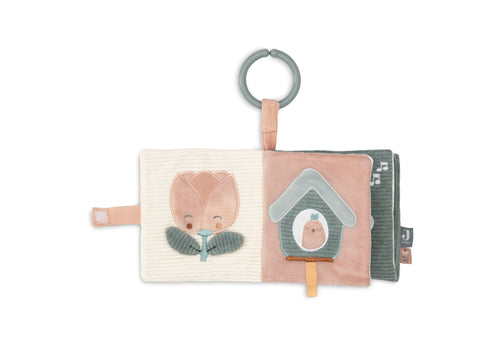
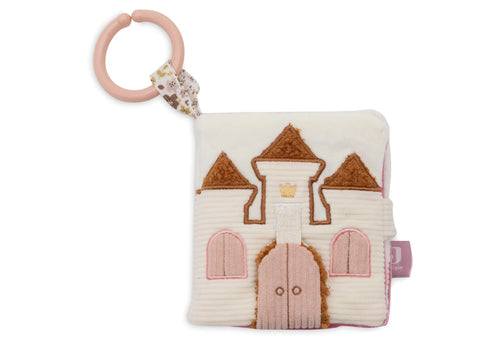
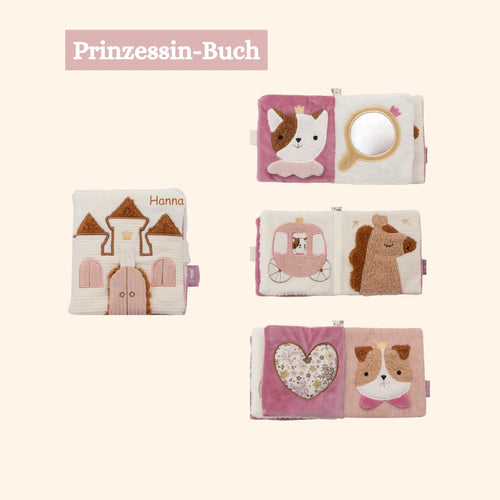
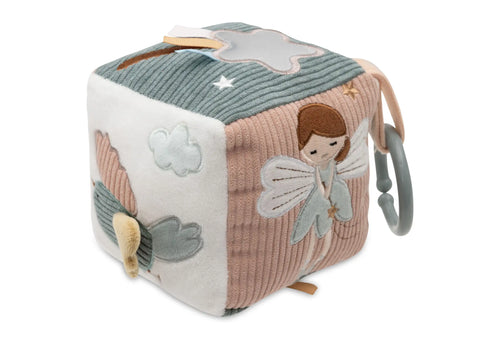
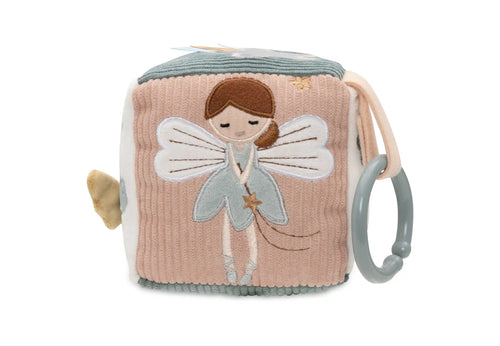
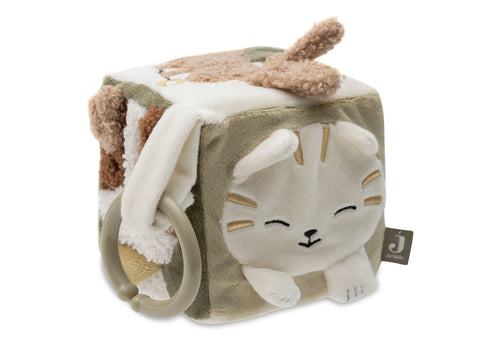
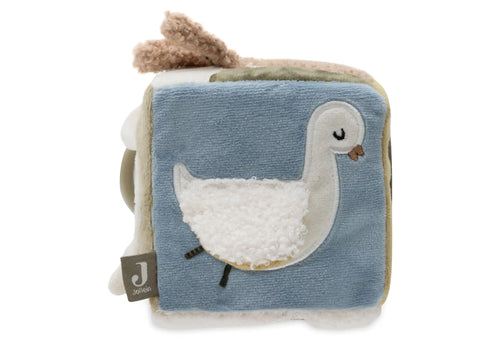
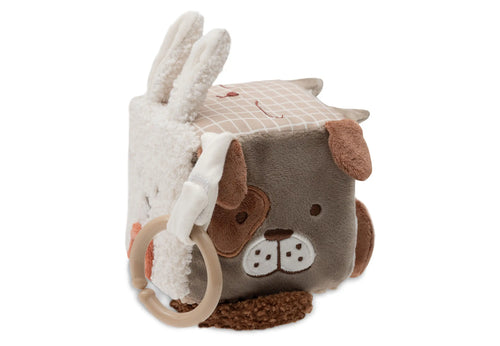
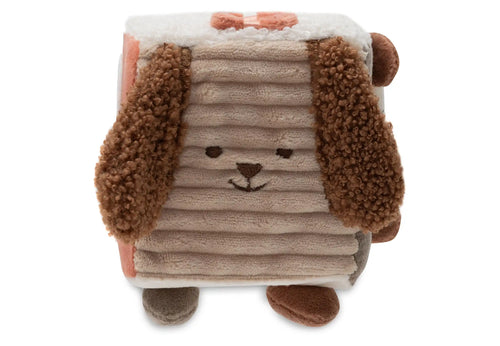
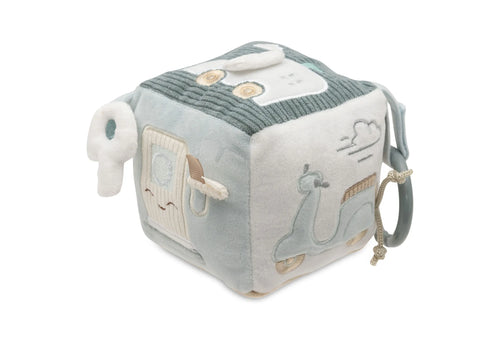
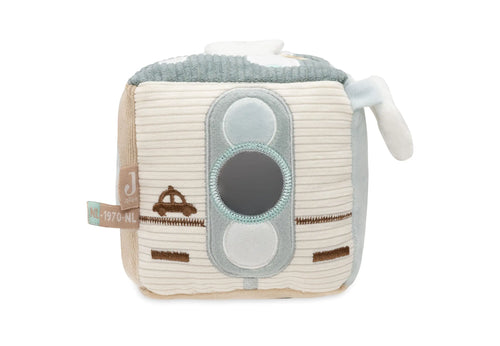
Soft, handy activity formats that combine several motor tasks in one product are also very popular. Quiet Books or Montessori-inspired activity books offer a particular advantage here: children can discover one page after another without being overwhelmed by a flood of stimuli. They practice with their hands, remain calmly occupied, and experience many small moments of success. For home, on the go, or as a gift, this is often more practical than bulky individual games.
Nevertheless, it always depends on the child. Some two-year-olds love repetition and spend a long time with clasps or matching tasks. Others need more movement in between and use fine motor play in shorter units. Both are normal. The best toy is of little use if it doesn't suit the child's temperament.
Safety and practicality are not secondary concerns
When choosing developmental toys for 2-year-olds, people often first look at the learning effect. Understandable – but safety and practicality deserve just as much attention. Small, easily detachable individual parts can still be problematic at this age, depending on the child's developmental stage. Seams, surfaces, colors, and fasteners should be of high quality and withstand frequent play.
Weight also plays a role. A two-year-old child wants to carry, open, and put away their toy themselves. Products that are too heavy or unwieldy quickly lose their appeal. Light, easy-to-grip formats, on the other hand, promote genuine independence.
For many families, it's also important that a toy is quiet. Not every good children's product has to play music or flash. Especially in moments when a child is supposed to be concentrated, quiet materials are often the better choice. They are less overstimulating and leave room for independent thinking and discovery.
How to avoid common mispurchases
A common mistake is to buy toys based solely on age recommendations. The number on the packaging is only a rough guideline. Some two-year-olds are already very skilled at sorting and opening, while others still need simpler tasks. What matters less is the age on paper than the question: what does the child currently enjoy without being frustrated?
Equally common is reaching for toys with as many functions as possible. For adults, this often seems particularly valuable. For small children, it can quickly become confusing. If everything lights up, rings, speaks, and moves simultaneously, there is often little room for true concentration. Less, but well thought out, is usually the better decision at this age.
Even visually appealing gifts are not automatically practical for everyday use. Some products look wonderful in the children's room but are rarely played with because they are too delicate or too complicated. Especially with motor learning games, what counts is whether the child repeatedly wants to interact with them independently.
Which developmental toys are suitable for whom
For more cautious children, simple matching and opening tasks with clearly recognizable goals are often suitable. They provide security and make success quickly visible. Active, curious children often like materials where several steps can be combined and there is always something new to discover.
As a gift from grandparents, godparents, or friends, it's worth considering family life. A beautiful, high-quality toy is particularly suitable if it brings joy not only on their birthday but also weeks later. Products that are quiet, durable, and versatile have a real advantage here.
Handmade, carefully designed activity books often fit so well into this age group precisely because they combine haptics, learning value, and a calm aesthetic in a way that is important to many families. At Habi Kids, this very idea is central: child-friendly tasks, loving craftsmanship, and meaningful occupation without screens and without noise.
What parents can really expect from good play
Developmental toys are not a miracle cure, nor do they need to be. They don't replace shared time, outdoor activities, or everyday experiences. But they can achieve something very valuable: they give small hands a task and small children the feeling of being effective themselves.
Especially from two years old, more than just play often arises from such moments. A child practices perseverance, discovers connections, and experiences pride when something succeeds. These are inconspicuous advancements that are easily overlooked in family life – and yet strengthen precisely the skills that will later be needed everywhere.
So, when you choose developmental toys for 2-year-olds, don't first think about as much entertainment as possible. Think of hands that want to learn. Of calm instead of overstimulation. Of materials that can be used often. And of a gift or toy that not only keeps children briefly occupied but lovingly accompanies them through an important developmental stage.
Sometimes, the best toy is not the loudest or most striking, but the one a child gladly returns to again and again.