



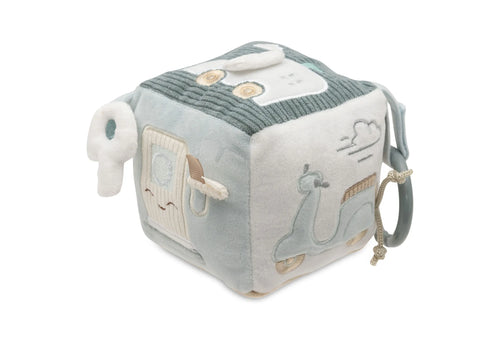
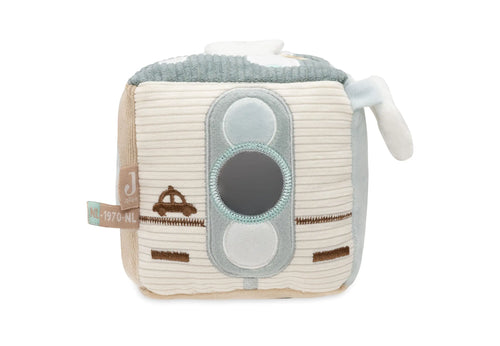

Quiet Book for on the Go: What Really Matters?
Share
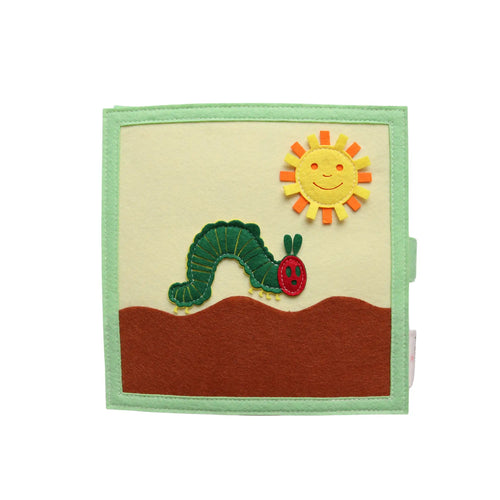
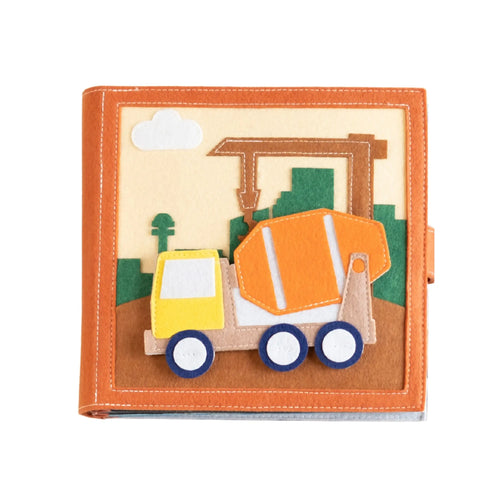
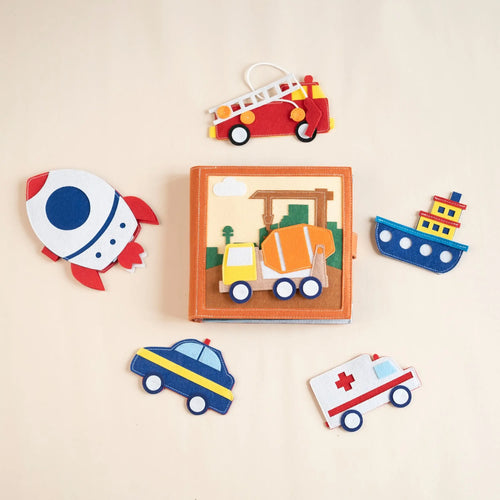
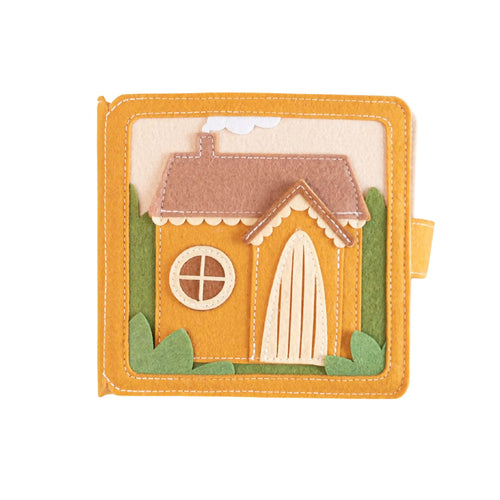
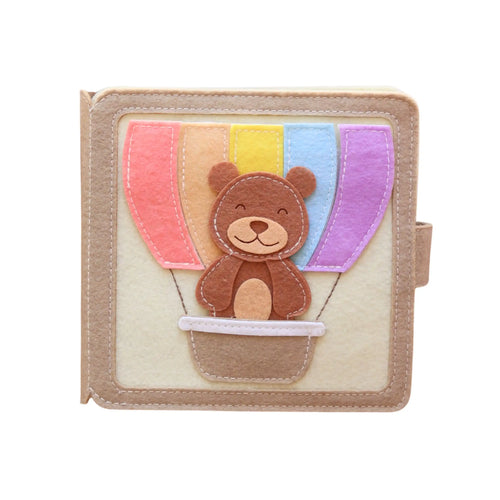
The most difficult thing about outings with small children is often not the journey itself, but the time in between. The ten minutes at the cafe, waiting at the doctor's, the train ride just before nap time. This is precisely where a quiet book for on-the-go shows its worth: it meaningfully occupies small hands, remains pleasantly quiet, and provides a calm counterpoint to snacks, screens, and toy chaos.
Why a Quiet Book works so well on the go
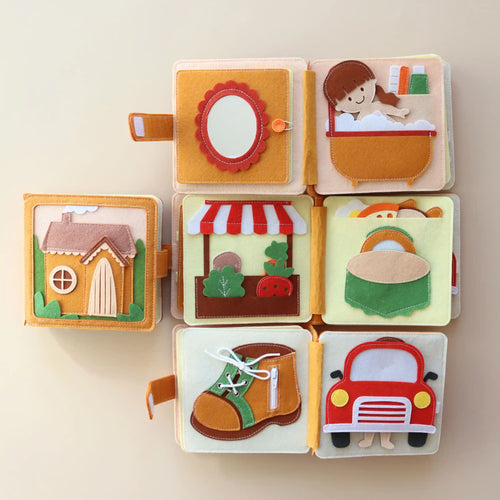
On the go, children need something different than at home. Large toys are impractical, loose parts quickly disappear under the seat, and many things become uninteresting after two minutes. A good Quiet Book combines several activities in a compact format. This may seem simple at first glance, but it is very well thought out for family life.
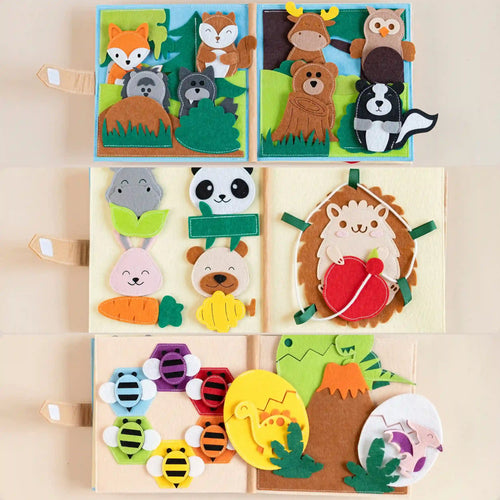
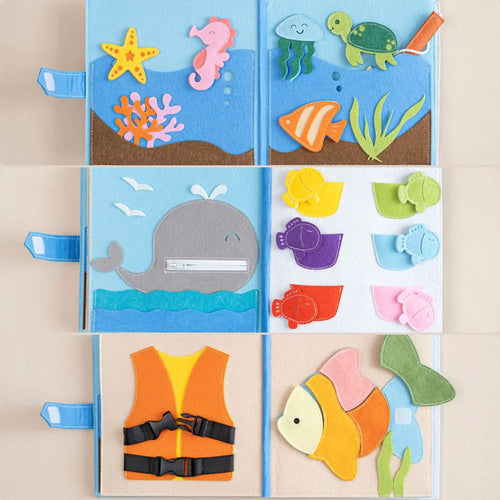
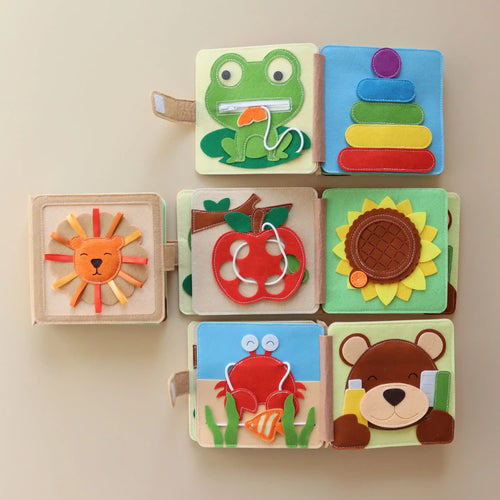
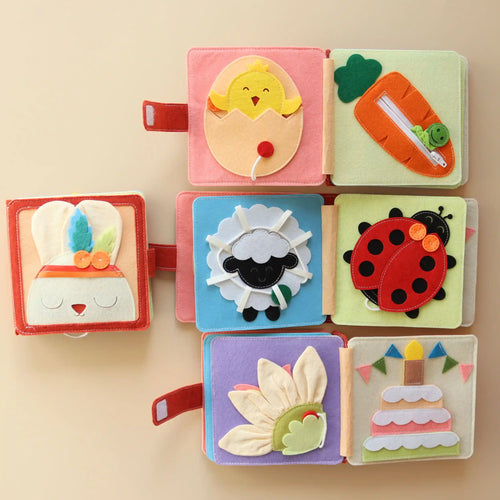
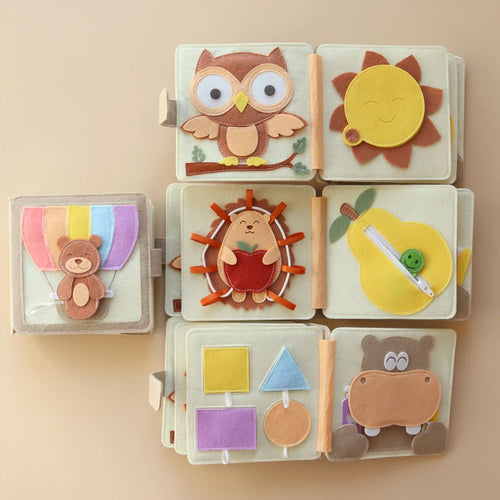
Children can button, slide, sort, open, close, match, or act out small everyday actions. It's not just about keeping them busy. Their hands are working, their attention stays focused on one thing, and the child experiences small moments of success without loud stimuli. This is particularly valuable when traveling or during waiting times, as the environment is often exciting enough already.
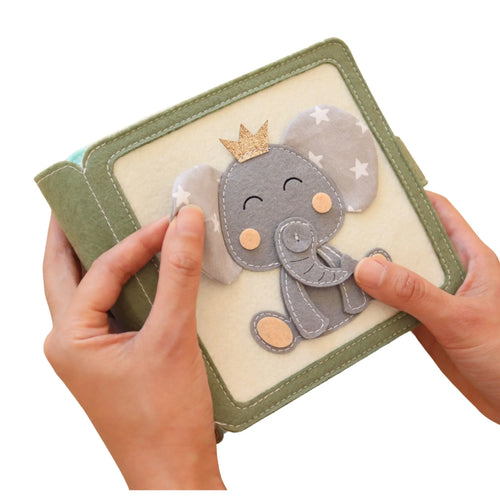
For parents, the quiet aspect is almost as important as the playful one. A book made of soft materials doesn't rattle, doesn't fall hard to the floor, and doesn't disturb anyone in a restaurant or on an airplane. It is a form of activity that doesn't demand quiet but facilitates it.
What a quiet book for on-the-go should offer
Not every activity book is automatically suitable for travel. For on-the-go, the quality of the ideas matters more than the number of pages. A book can be compact, but it must offer enough variety so that it is not put aside after a short time.
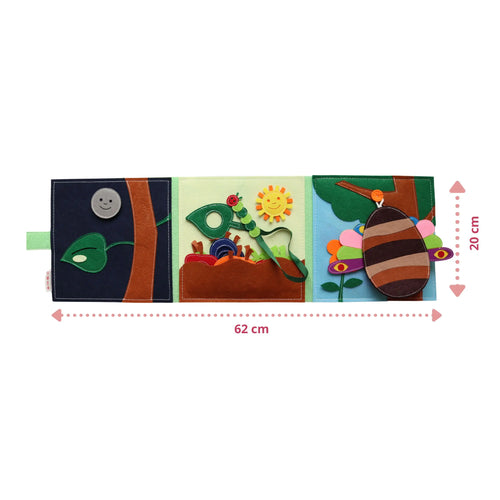
First, the format is important. A quiet book for on-the-go should fit well in a diaper bag, backpack, or carry-on luggage and be quick to retrieve. If parents have to sort zippers, packaging, and individual parts first, the practical advantage is lost. It is equally crucial that the pages are sturdily made. Toys are used differently on the go than in the children's room – they are bent, quickly packed, balanced on laps, and dropped more often.
The design also makes a difference. Too many colors, too many tasks, too many loose elements can be unsettling on the go. Children often benefit more from clear, lovingly designed pages where an activity is structured in an understandable way. This promotes concentration instead of overstimulation.
Another point is safety. Especially for babies and younger toddlers, materials should be soft, cleanly processed, and suitable for small hands. If parts are too delicate or difficult to grasp, frustration quickly replaces the joy of playing while traveling.
Which skills are incidentally promoted on the go
Parents usually buy a Quiet Book primarily as a practical activity. This is understandable. At the same time, its strength lies in the fact that it can do more than just pass the time.
Many pages automatically train fine motor skills. When children pull loops, release Velcro, close buttons, or move small shapes, they practice precise hand movements. These experiences are important for later everyday actions such as dressing, drawing, or safely handling cutlery.
In addition, there is hand-eye coordination. This type of play is particularly useful on the go because it is focused yet calm. The child looks, grasps, tries, corrects. These small repetitions seem unspectacular but are real learning moments.
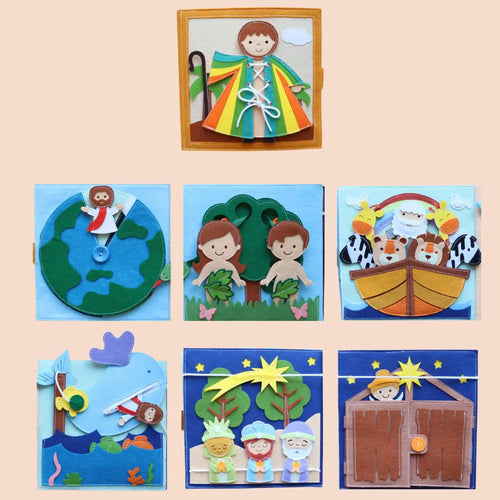
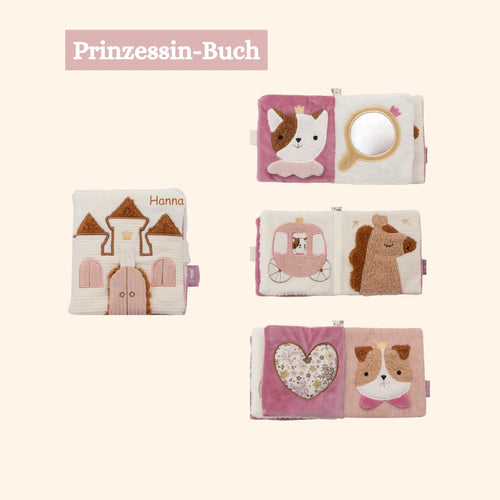
Depending on the age, other developmental areas are added. For younger children, sensory exploration is central – different surfaces, flaps, movements. For older toddlers, matching, colors, shapes, first numbers, or everyday situations become more exciting. A high-quality Quiet Book therefore grows with the child to some extent, because it fulfills more than just a single function.
What age is a Quiet Book suitable for on-the-go?
It's worth taking a closer look here, because a baby needs something different than a three-year-old child. For the youngest, simple, soft elements are ideal. Rustling details, gentle contrasts, large grasping opportunities, and first flaps are often completely sufficient. At this age, it's primarily about perception, grasping, and a first understanding of cause and effect.
From about toddler age, the tasks can become more targeted. Children then want to create something themselves: open a zipper, match an animal, correctly insert a part. Exactly these small tasks are very suitable for waiting times, because they are manageable and quickly provide a sense of accomplishment.
For older children in preschool, a Quiet Book can become more complex. Numbers, sorting tasks, shapes, routines, or small role-play pages are often more interesting now than purely tactile elements. Nevertheless, on the go, less is often more. An overloaded book looks impressive, but it won't automatically be used more frequently.
Everyday situations where a Quiet Book truly proves its worth
When traveling, you first think of cars, trains, or planes. There, a Quiet Book is indeed particularly practical because it takes up little space and makes no noise. It works on the lap, on the table, or in the car seat and can be quickly put away when attention wanes.
But it is at least as helpful for short trips and small transitions. In a restaurant, it bridges the time until the food arrives. In the waiting room, it helps to keep the environment from becoming even more hectic. During visits, in a cafe, or in a hotel room, it offers familiar occupation when little else child-friendly is available.
Many families also appreciate that a Quiet Book doesn't overstimulate. Some toys keep children busy, but at the same time make them louder and more restless. A good activity book has a different character. It encourages children to engage in activities rather than to wear themselves out. This is often the more pleasant solution when on the go.
How to recognize quality
Especially with products for small children, quality is not only reflected in the appearance. A beautifully designed book is a start, but not enough. What is crucial is how it has been processed and how well thought out each page is.
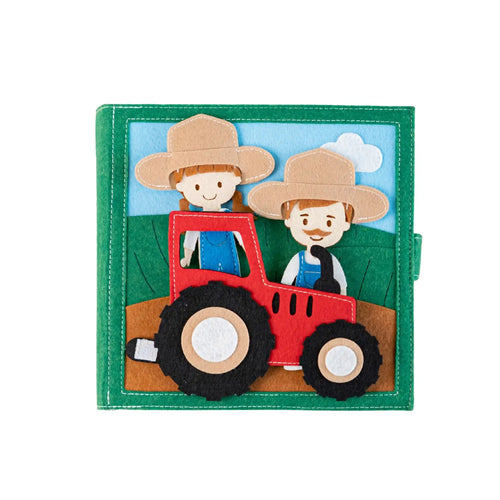
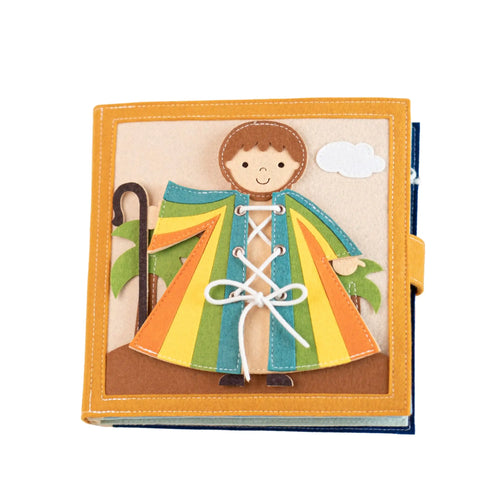
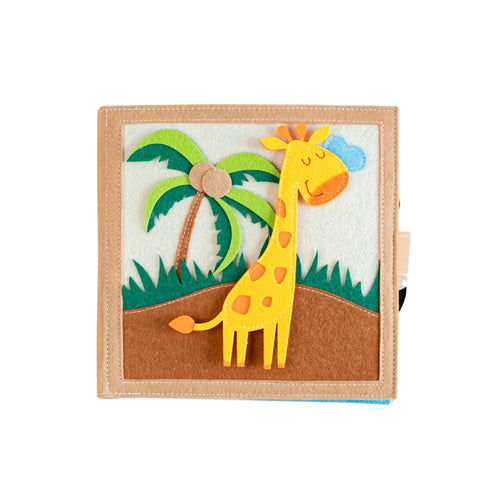
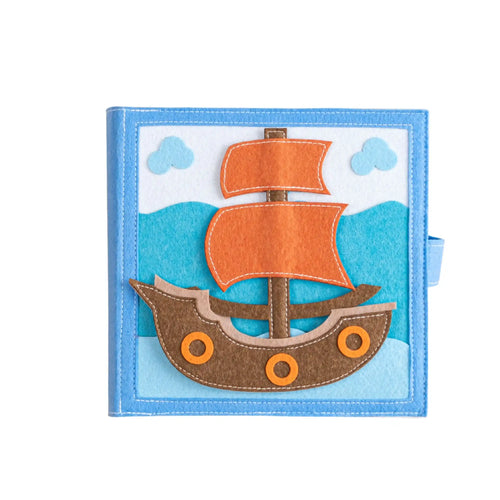
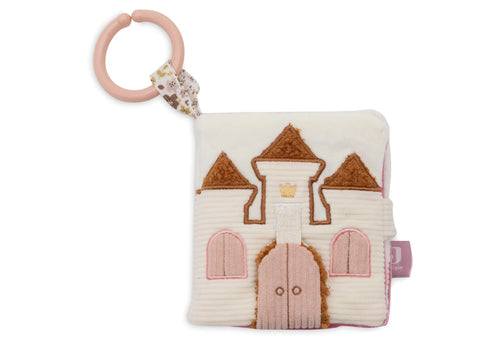
Handmade Quiet Books often have a clear advantage here. You can see and feel when materials have been carefully chosen, seams are sturdy, and details have been developed child-appropriately, not by chance. This makes the book more durable and pleasant in everyday life. For families who want to use a product regularly, this is more than just a nice feature.
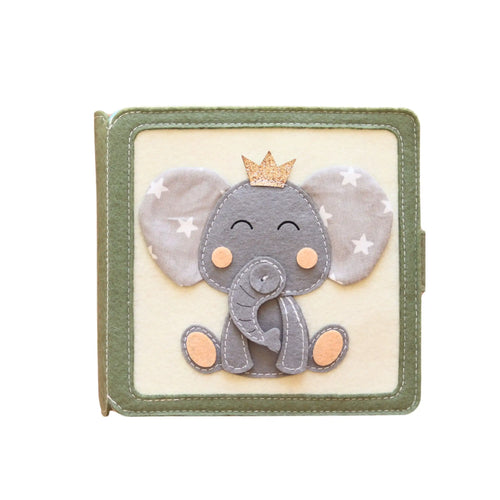
The design also plays a role. A high-quality book appears calm, clear, and loving rather than garish and random. This not only fits better with an aesthetic gift idea but often also better with children. They don't need a flood of stimuli to start playing.
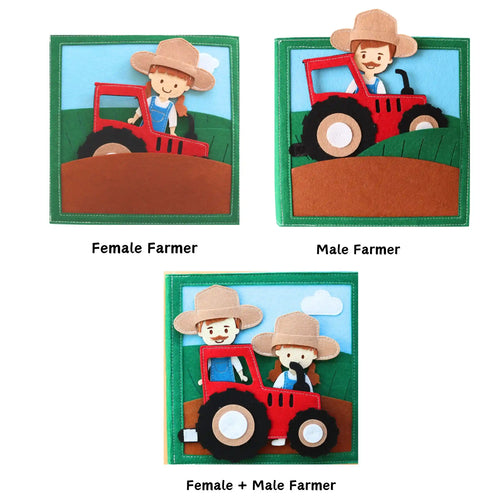
If you want to give a Quiet Book as a gift, also pay attention to its emotional value. Personalization, high-quality workmanship, and a well-thought-out age concept turn a nice idea into a lasting gift. Especially for birthdays, first trips, or special family moments, this makes a beautiful difference.
When a Quiet Book is not the best solution
As practical as it is, a Quiet Book is not a miracle cure for every situation. Some children primarily want movement, closeness, or sleep when on the go. If a child is tired, hungry, or overstimulated, even the most beautiful book will only help to a limited extent. This is not a disadvantage of the product, but simply realistic.
It also depends on the fit. If the book is too easy for the child, they will quickly get bored. If it is too demanding, frustration will arise. Therefore, it is worth buying not only for a pretty motif, but for developmental stage and true everyday usability.
Parents should also ask themselves how they want to use it. For a long journey, a Quiet Book can certainly combine several types of activities. For a short restaurant visit, sometimes a smaller model with a few well-chosen pages is enough. The best choice is not always the largest, but the one that fits family life.
Why parents choose screen-free activities, especially on the go
Screens are tempting on the go because they work instantly. At the same time, many families want a calmer alternative that doesn't create even more stimuli. A Quiet Book meets exactly this wish. It occupies without flickering. It challenges hands and attention without over-energizing the child.
This is also its special value. Children experience independent action instead of passive consumption. They open, examine, repeat, discover. For parents, this often feels more harmonious, because the activity is not only practical but meaningful.
At Habi Kids, this very idea is at the core: handmade, quiet, and well-thought-out play ideas that truly relieve families in everyday life and support children in their development. On the go, you quickly notice how much difference a well-made product can make.
So when you choose a Quiet Book for on-the-go, don't just think about the next trip or the next meal out. Think of those small moments when a child remains calm and focused, grasps something with their hands, and makes the world around them a little less hectic for a moment.