




Finding Quiet Toys for Toddlers
Share
Anyone who has ever tried to keep a tired toddler constructively occupied in a restaurant, on a train, or just before dinner knows the difference immediately: not every toy that children find exciting also brings calm to the moment. Quiet toys for toddlers are therefore more than just "silent." They give little hands something to do without overwhelming them and help families better combine activity and calm.
What really makes quiet toys for toddlers special
Many parents are not just looking for a silent toy. They are looking for a form of engagement that captures attention without bringing noise, hectic activity, or overstimulation into the room. This is precisely where the difference lies. A flashing toy might fascinate for a few minutes, but it often makes children more restless than balanced.
Quiet toys work differently. They invite grasping, opening, sorting, stacking, feeling, or matching. The pace is set not by the toy, but by the child. This type of play is particularly well suited for toddlers because they love repetition and need small successes. A zipper that finally opens, a shape that fits into the right spot, or a button that patiently moves through a loop can remain exciting for many minutes.
Especially in daily family life, which is often already full of noise, quiet, action-oriented toys create a soothing counterbalance. They are not passive like a screen and not stimulating like many electronic products. They are active, but quiet.
Why quiet play is so valuable for toddlers
When a child concentrates and works with their hands, much more happens than just occupation. Quiet play situations promote fine motor skills, hand-eye coordination, and an understanding of cause and effect. At the same time, children practice staying focused on one thing. This sounds simple, but it is a big developmental step in toddlerhood.
Emotionally, this type of play also has special value. Some children, after a busy day, need something that helps them settle down. Quiet, manageable play materials can help make transitions smoother - for example after daycare, before a nap, or during waiting times on the go.
Of course, not every child is the same. Some toddlers love movement and first need physical activity before they can engage in a quiet activity. Quiet toys do not replace running, climbing, or active play. They complement it. This balance often makes the difference in everyday life.
What types of quiet toys work well
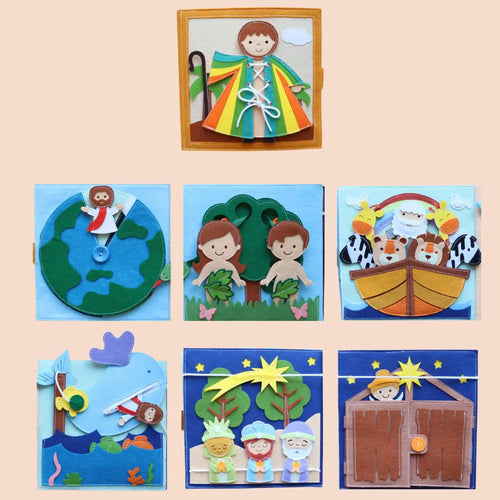
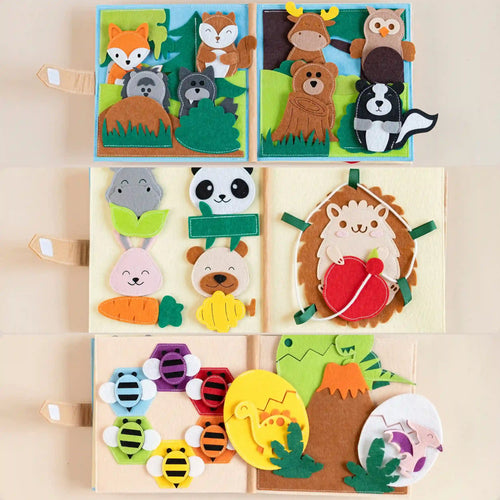
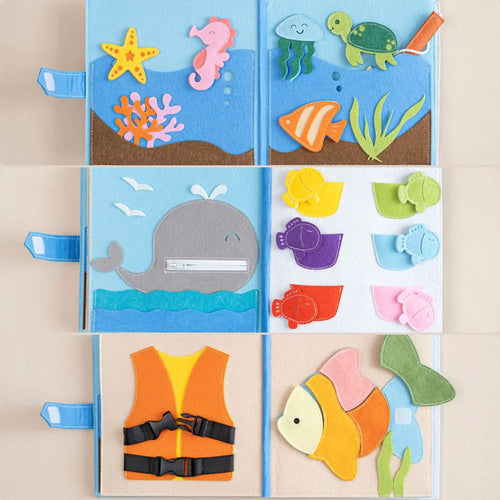
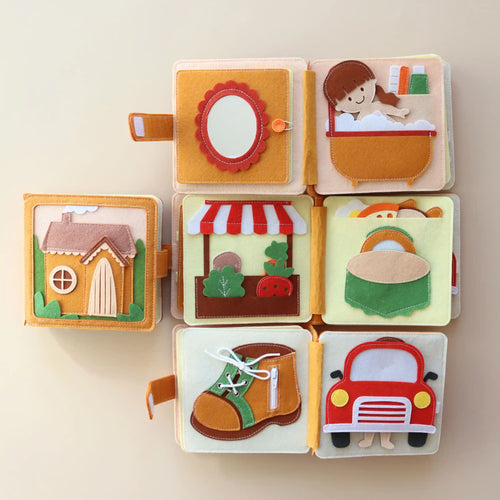
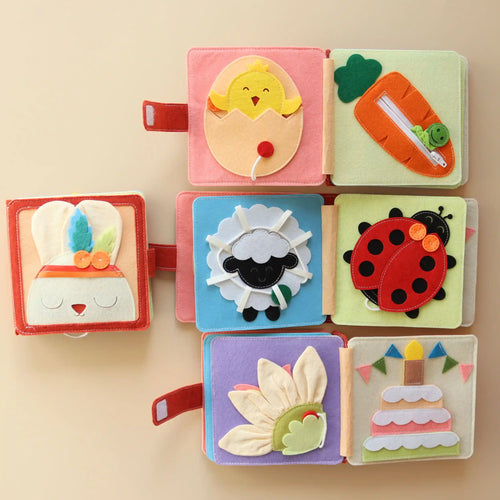
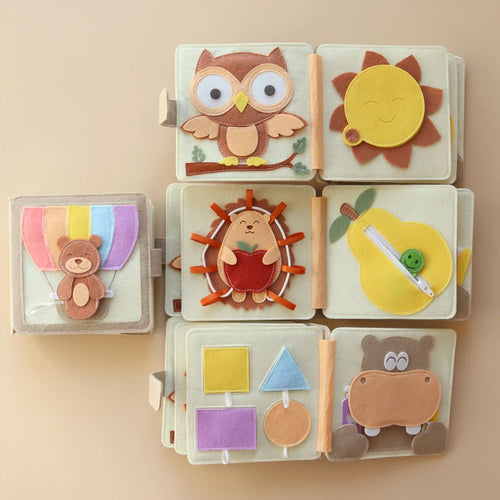
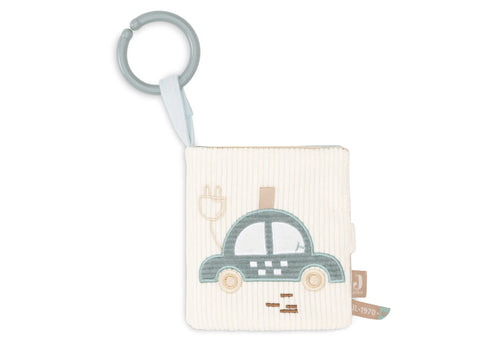
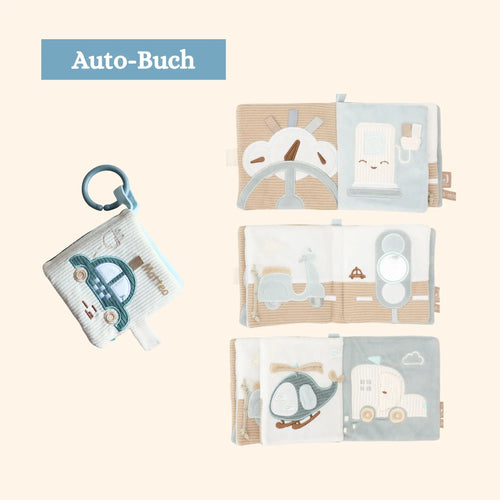
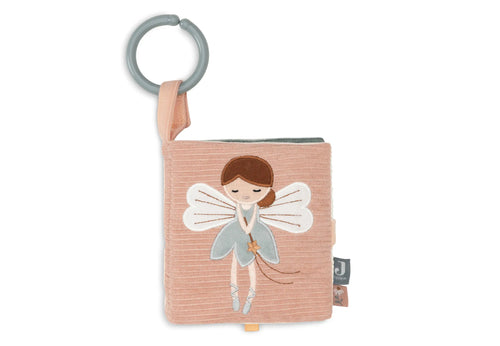
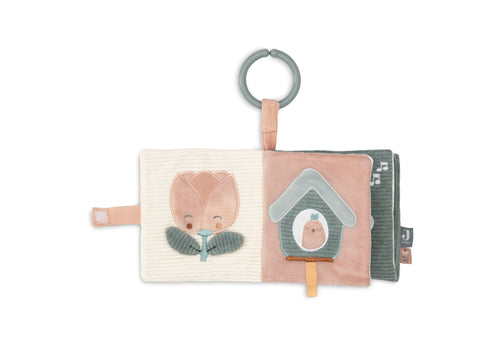
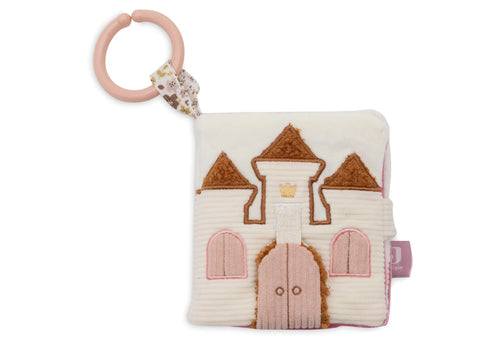
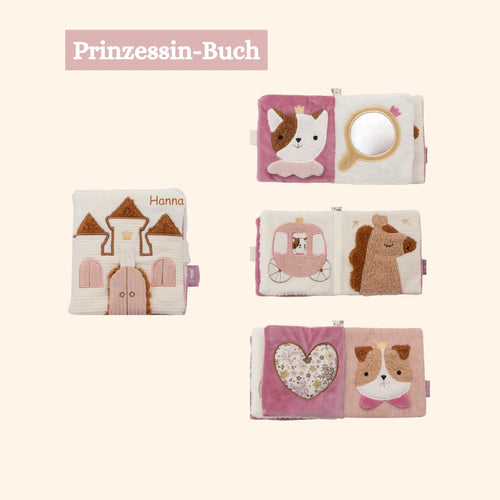
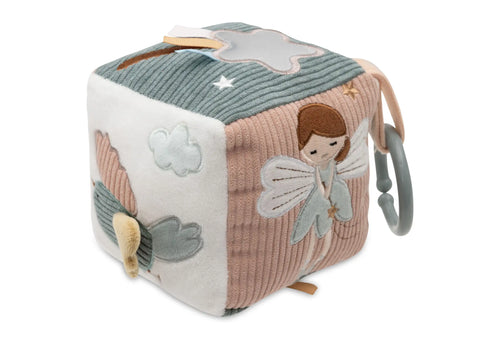
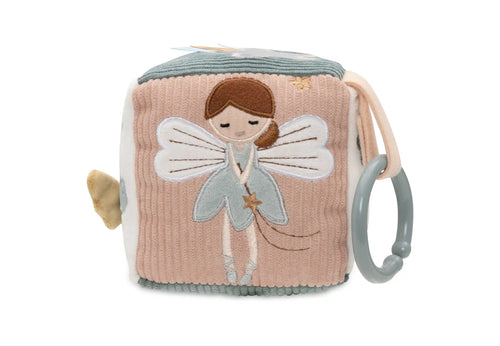
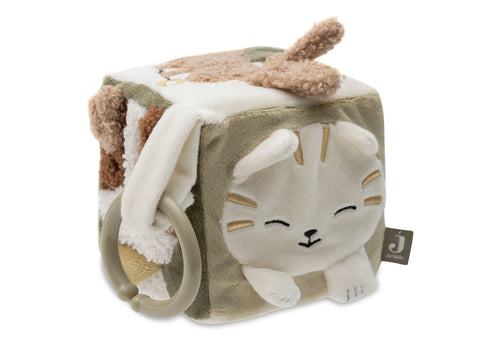
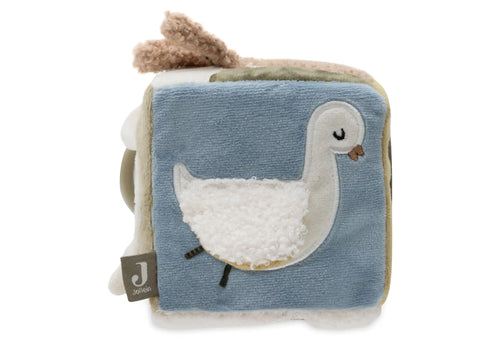
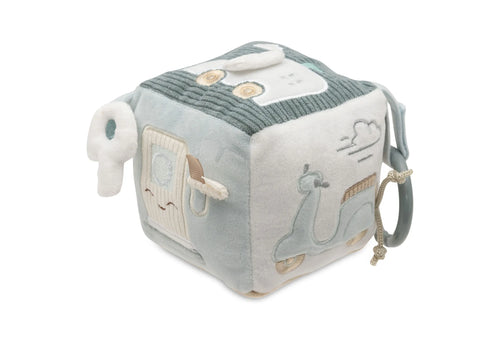
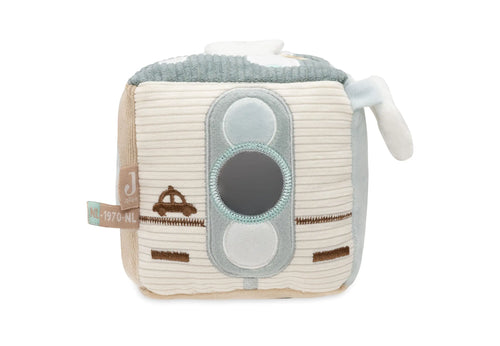
Toys that are discovered with the hands and combine several small tasks are particularly suitable. Fabric books and activity books fall into this category because they are soft, quiet, and versatile. Children can open flaps, move elements, feel materials, and repeatedly practice the same movements without the play becoming loud or hectic.
Stacking games, simple sorting games, lacing activities, or large puzzles can also work well if they match the child's developmental stage. The key is that the toy neither under-challenges nor frustrates. If it is too easy, it quickly loses its appeal. If it is too difficult, calm can quickly turn into frustration.
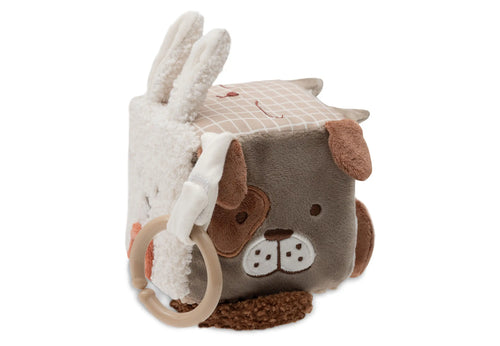
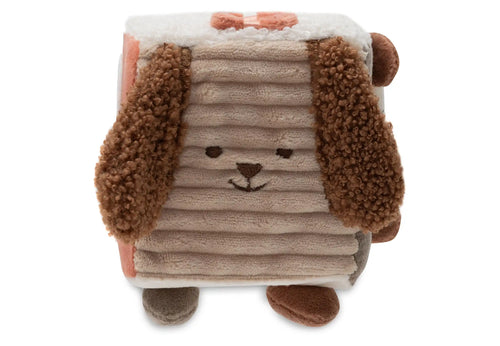
For very young children, soft materials are often particularly pleasant. They are less stimulating, easy to grasp, and invite sensory exploration. For slightly older toddlers, tasks can become clearer: buttoning, closing, matching, recognizing colors, or reenacting small everyday actions.
Quiet books as screen-free quiet toys
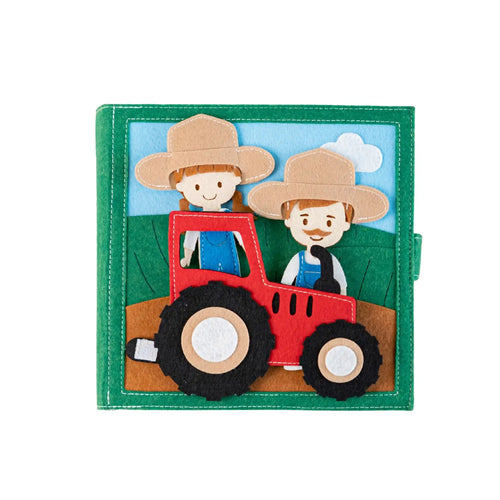
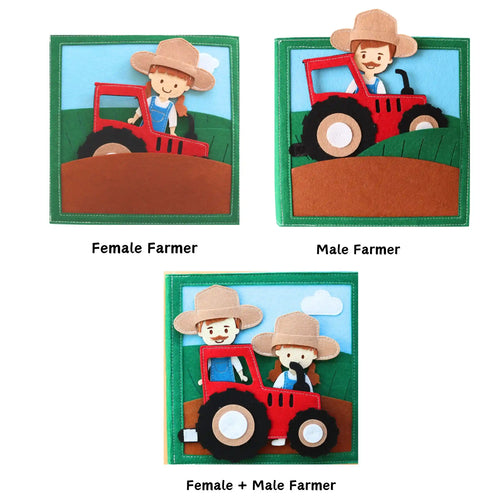
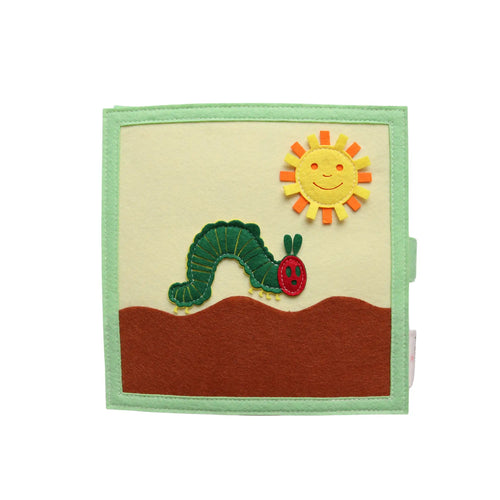
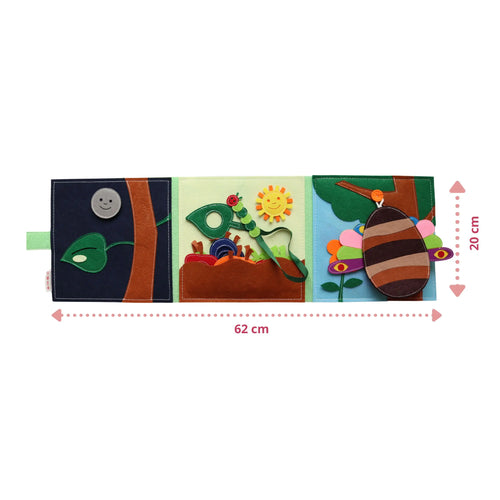
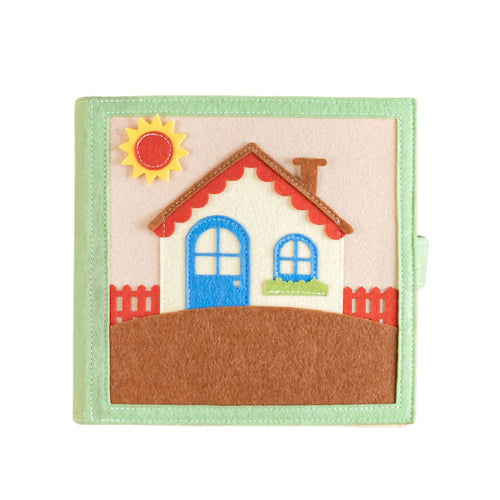
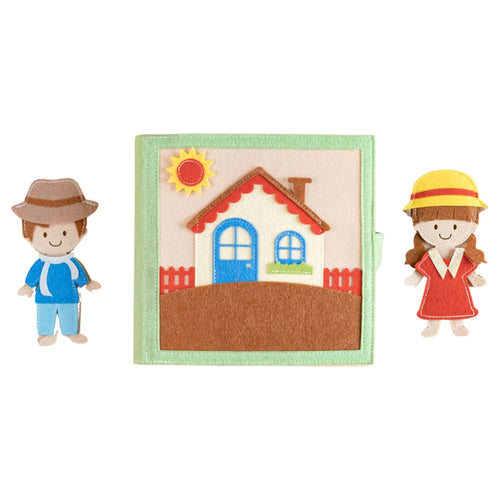
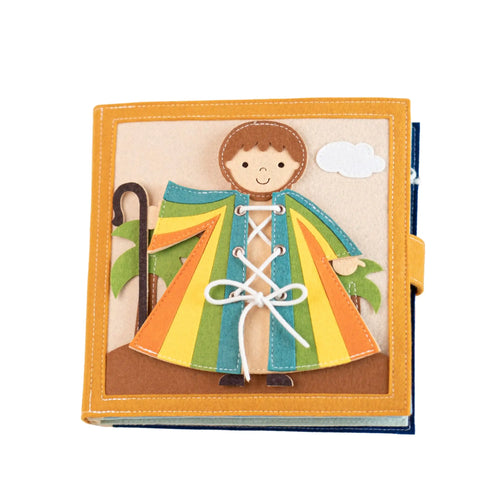
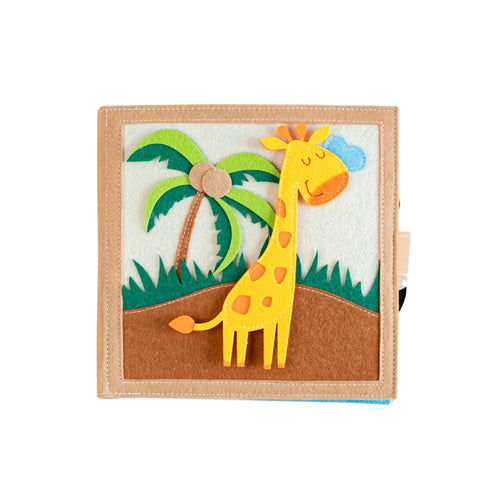
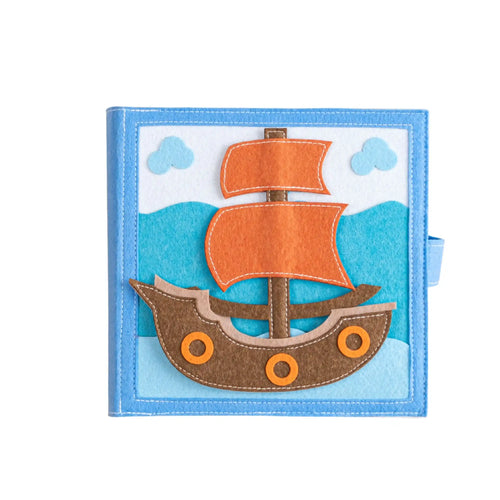
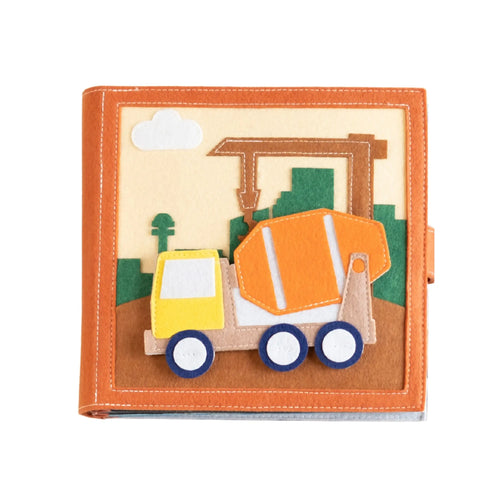
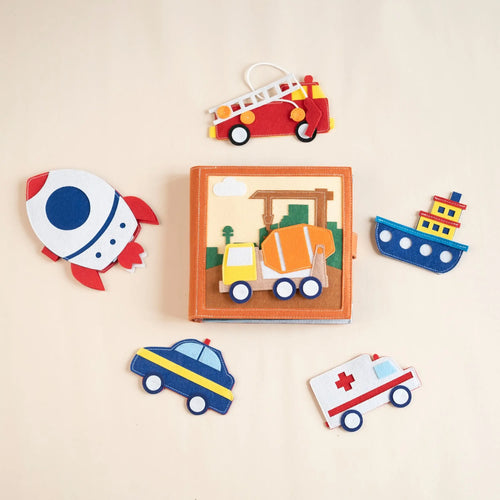
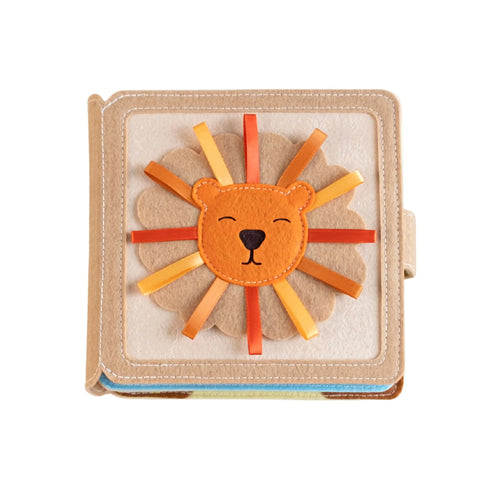
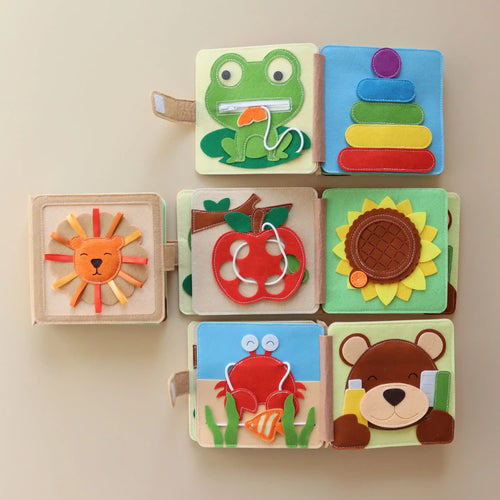
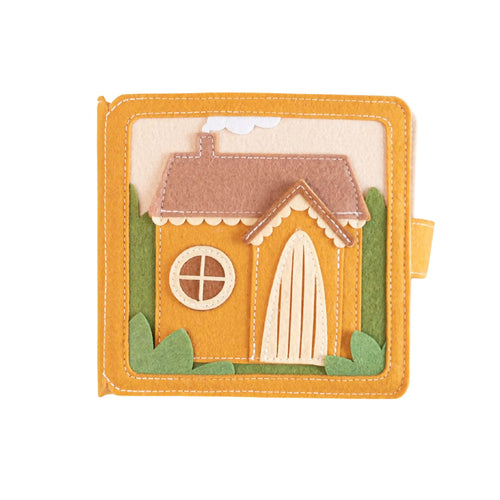
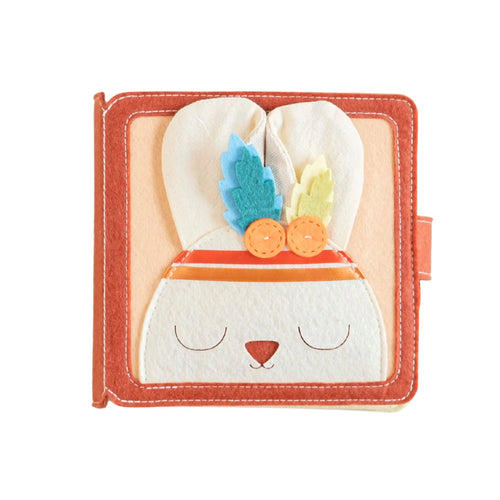
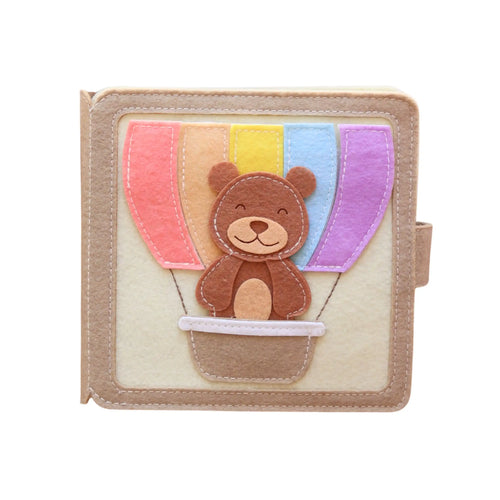
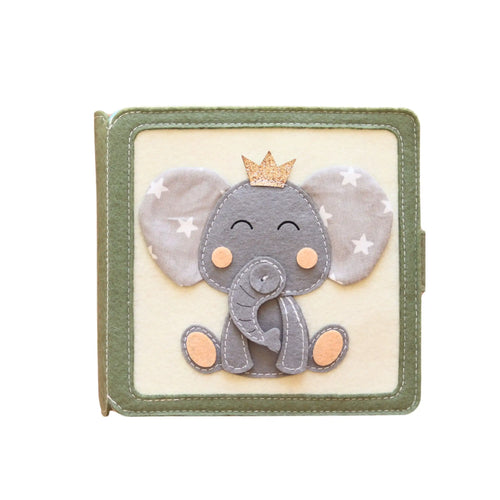
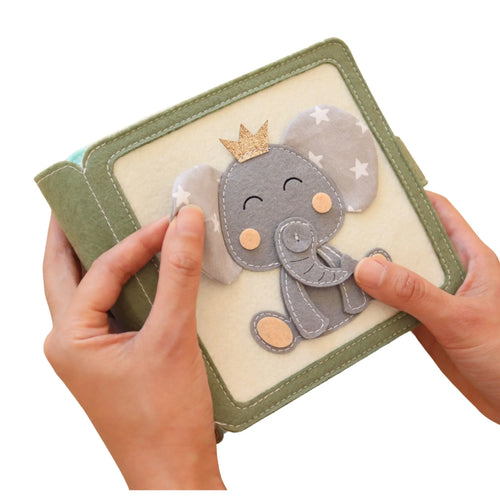
One of the most practical quiet toys for toddlers is a soft quiet book for kids. It keeps play calm without making the child passive: toddlers can open little flaps, match pieces, practise small movements, and explore pages with their hands.
When parents are looking for an activity that is quiet, handy, and developmentally useful at the same time, quiet books are often a particularly good choice. They combine several fine motor and cognitive tasks in a format that is easy to take along. This is practical at home, but often even more helpful on the go.
A well-designed quiet book not only accompanies children in quiet play. It also supports independent practice of skills such as opening, pulling, fastening, matching, and naming. Because many pages are designed differently, the activity remains varied without becoming restless. High-quality, handmade versions in particular do not feel like disposable toys, but like a thoughtfully chosen companion over a longer period.
For waiting rooms, restaurants, car rides, and travel days, mini quiet books for travel are especially useful because they are compact and easy to bring along. If your child is ready for more detailed activities, choose quiet books for toddlers with age-appropriate fine motor tasks.
How to choose quiet toys appropriate for age
Not every quiet toy suits every developmental phase. For babies and very young toddlers, feeling, grasping, and first understanding are most important. Here, soft, safe materials are helpful, as are simple stimuli that do not overwhelm. An element to pull or a simple fabric detail is often enough to spark interest.
From about the age of two, tasks become more exciting when children can actively solve something themselves. Fasteners, matching, or simple role-playing games often hit just the right point now. Children want to do things themselves rather than just watch. This is the moment when quiet toys become particularly valuable because they promote independence without needing constant animation.
In preschool age, play can become a little more complex. Numbers, colors, shapes, sequences, or everyday scenarios can now be integrated. Nevertheless, the basic principle remains the same: the child plays at their own pace and experiences small steps of success.
How to recognize quality
Especially with toys that are often taken along and used repeatedly, it is worth taking a close look at the workmanship. Seams, materials, haptics, and safety are not minor issues. High-quality quiet toys not only feel nicer, but usually remain appealing for longer.
This is especially true for fabric toys and quiet books. Neatly crafted details, stable fastenings, and child-friendly sizes make a big difference in everyday life. Equally important is a design that does not feel overloaded. If every surface is crowded with colors, figures, and functions, the calming effect quickly gets lost. Less, but thoughtfully designed, is often more here.
Quiet toys in everyday life - when they are particularly helpful
At home, the value of these toys often shows itself in the small in-between moments. While food is being prepared, a sibling needs attention, or the day just feels a little too full, quiet activity can help without simply distracting. It creates a moment where children get to do things themselves.
On the go, the benefits are even clearer. In the car, on the plane, at the doctor's office, or in a cafe, quiet, compact toys are often the best choice. They do not constantly fall down, do not make noise, and can be rediscovered multiple times. Gift buyers sometimes underestimate how grateful parents are for precisely these thoughtful everyday helpers.
They also have their place in quiet rituals. Some families use a specific toy only for travel times, others deliberately for the afternoon or before bedtime. This clear assignment can even increase attractiveness because the toy remains something special.
What quiet toys do not have to do
A common misconception is that quiet toys automatically keep children occupied alone for a long time. This can happen, but it does not have to. Especially at the beginning, many toddlers need guidance. They want to be shown how something works or seek eye contact while playing. This is not a disadvantage, but part of learning.
Similarly, quiet toys do not have to be completely neutral or strictly Montessori to be meaningful. The decisive factor is not a specific label, but whether the play material is quiet, high-quality, and developmentally appropriate. Beauty, warmth, and loving details certainly have their place - especially when they do not distract from the actual play.
A good choice feels right in everyday life
The best quiet toy for toddlers is often the one that parents no longer consciously perceive as a "solution" after a few days because it has become part of everyday life. It is ready in the living room, goes into the bag, or is naturally brought out before dinner. It does not create a show, but real engagement.
Those who value concentrated, screen-free play will particularly often find what they are looking for in soft activity books and carefully designed quiet books. They combine security, craftsmanship, and developmental support in a way that suits family life. At Habi Kids, this very idea is central: creating quiet moments that challenge children without overwhelming them.
Ultimately, what matters is not whether a toy excites the loudest, but whether it gives children space to learn with their hands, discover with their eyes, and remain calmly focused on one thing.