

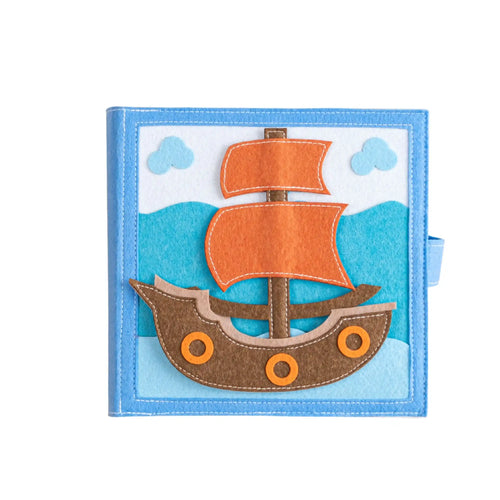
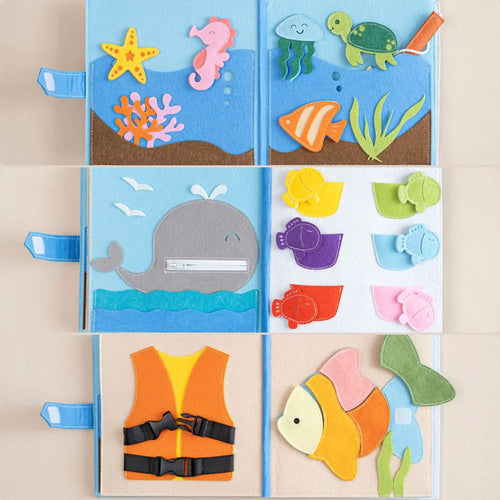
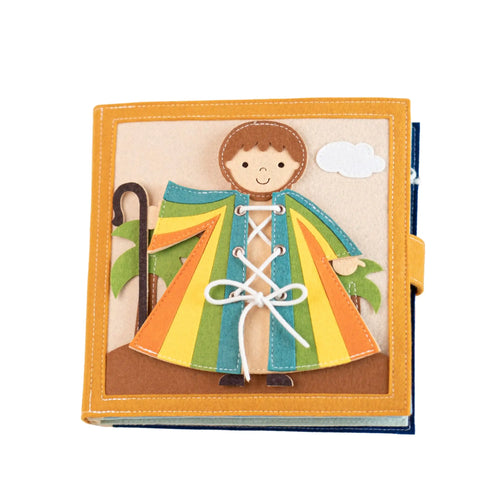
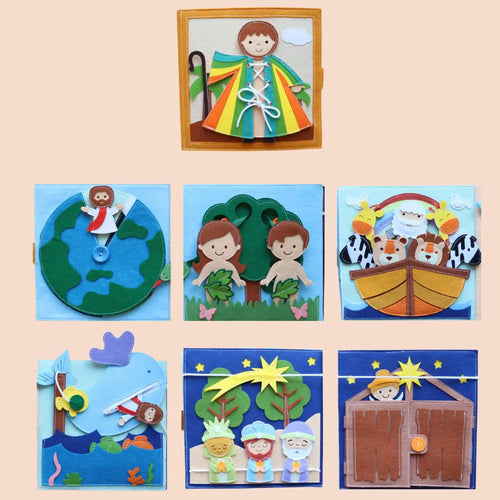
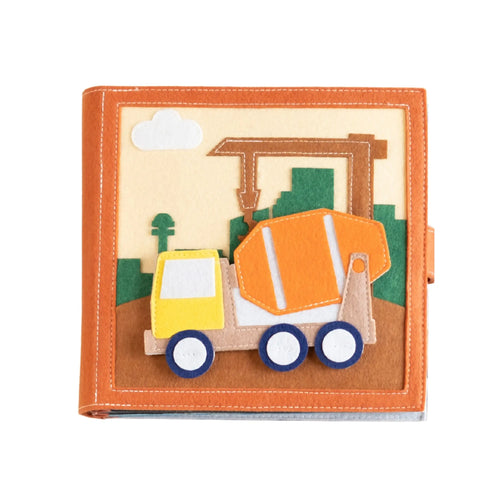
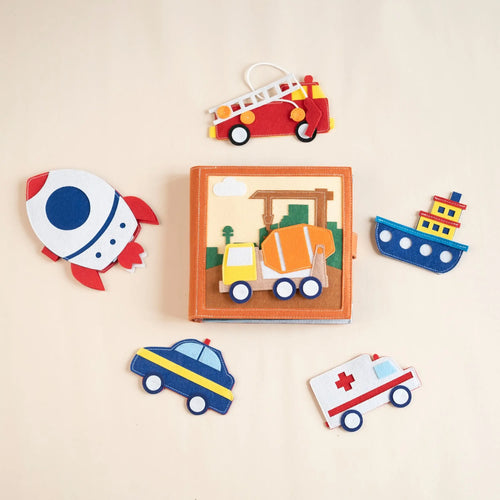
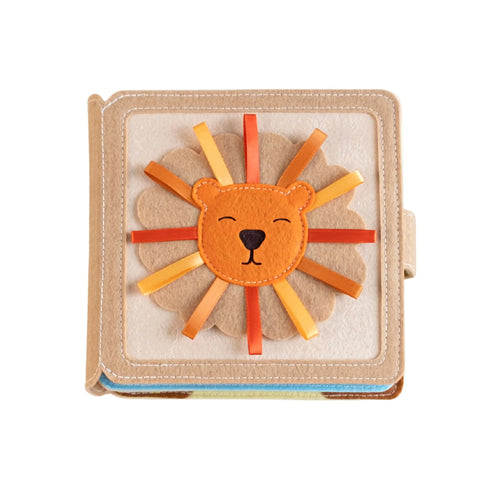
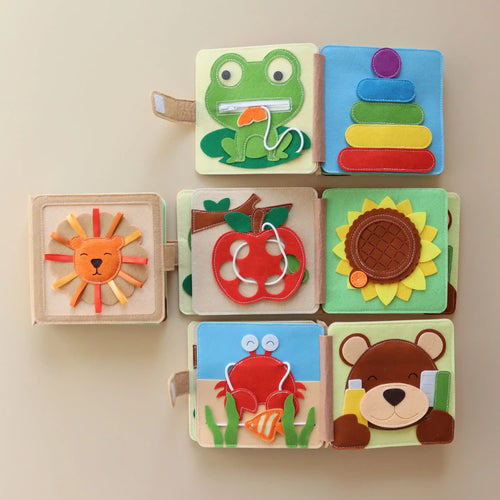
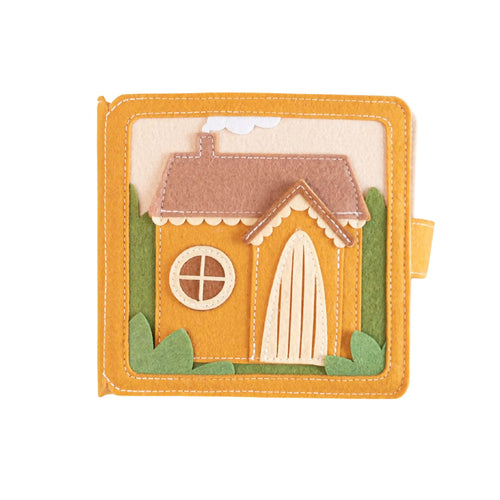
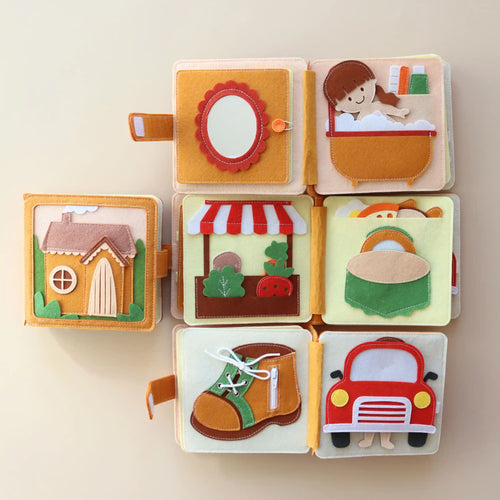
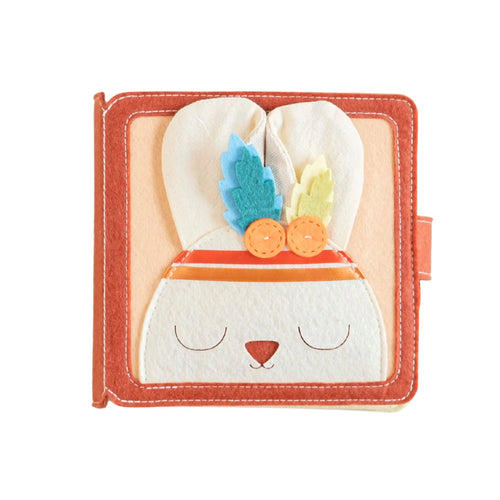
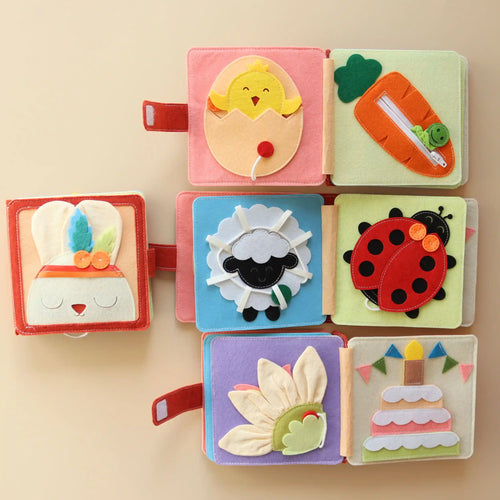

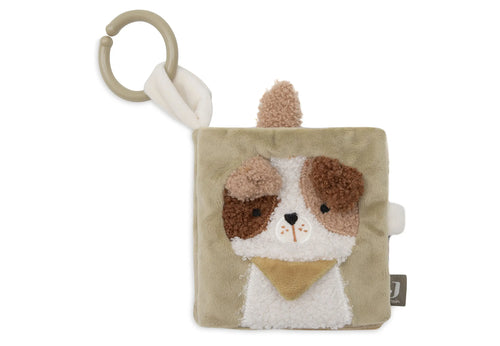
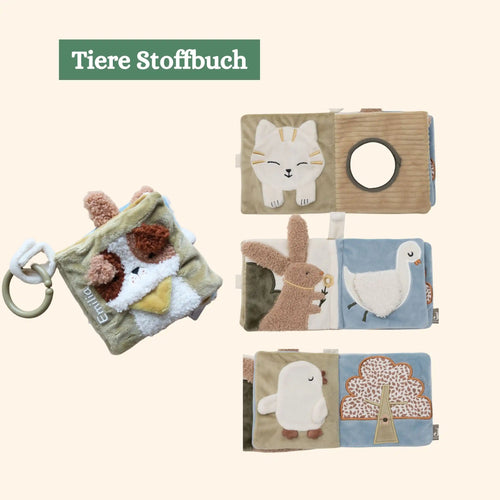
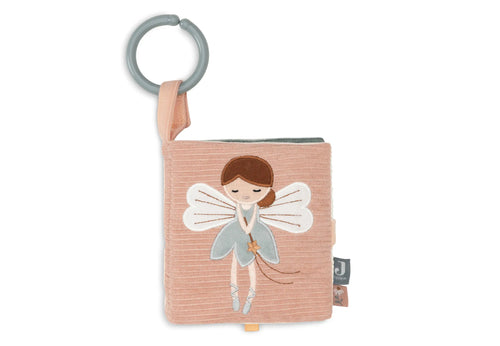
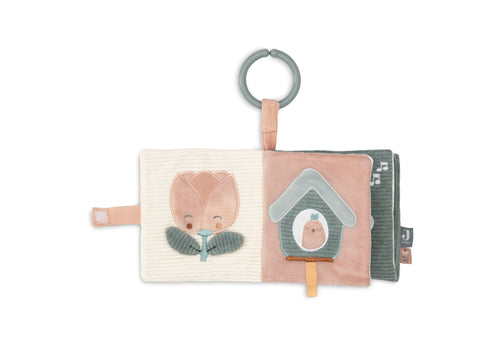
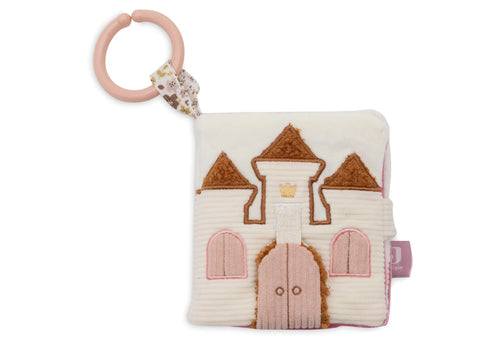
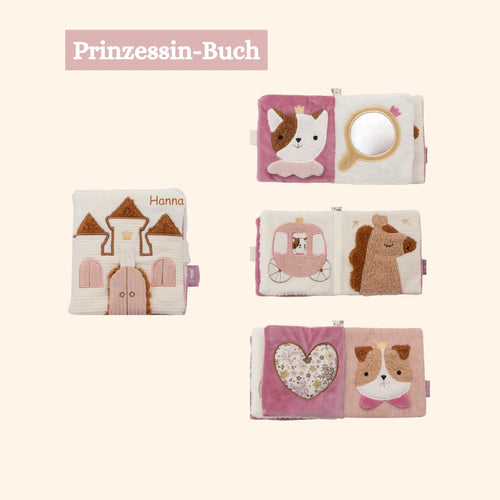

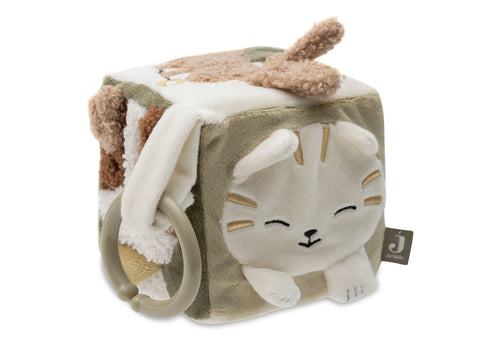
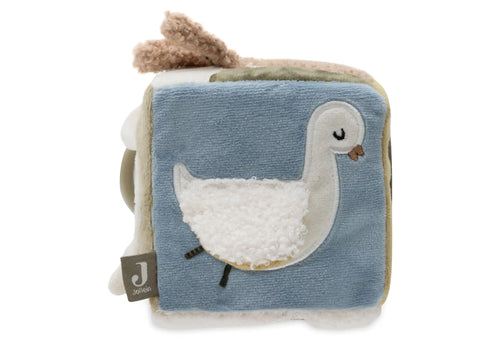
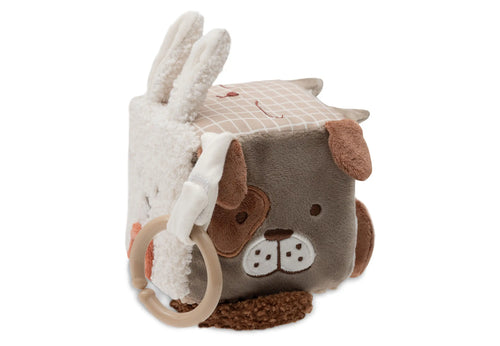
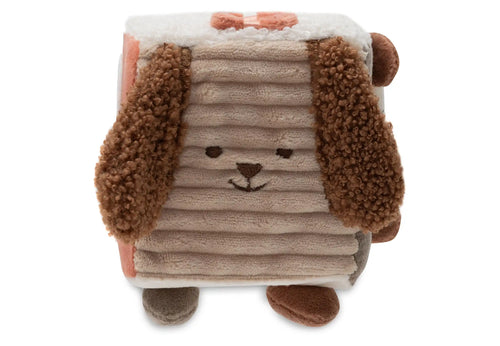
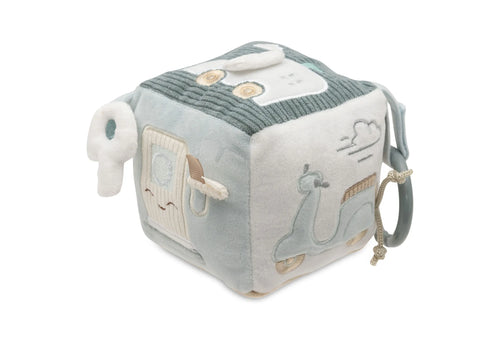
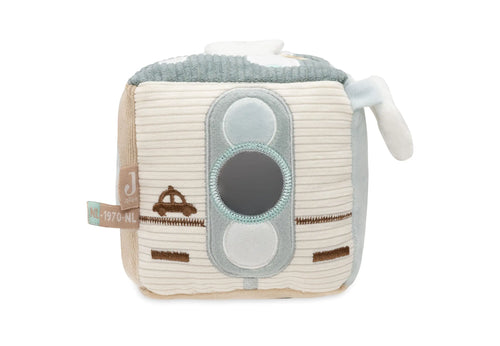
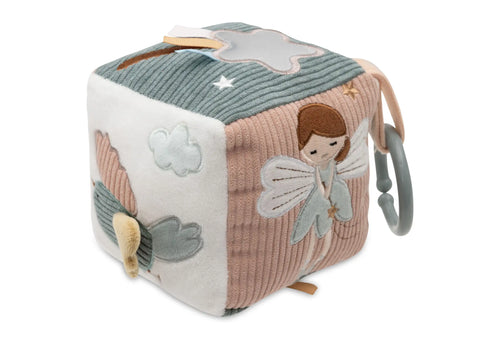
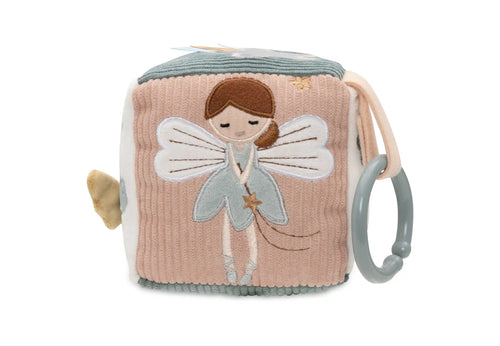

Sensory Baby Felt Toy Selection
Share
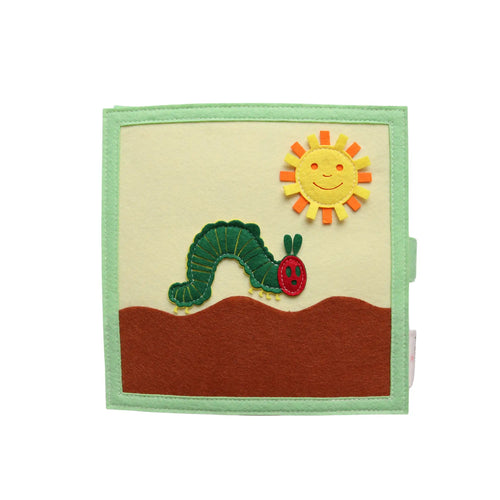
Anyone who has seen a baby stroke a soft felt tab for minutes, pull on a sewn-on ring, or feel a small flap with both hands quickly understands why sensory felt toys for babies are so attractive to many families. They are quiet, lightweight, pleasant to hold, and don't encourage quick consumption but repeated discovery. This is precisely where their value lies.
Why felt works so well for baby sensory development
Babies don't learn through explanations but through touch, repetition, and small "aha" moments. A material like felt greatly supports this early learning. It feels warm and soft, doesn't rustle loudly, doesn't splinter, and appears much calmer compared to hard plastic. This is a big advantage, especially for initial play offerings, as it keeps stimuli moderate.
For babies, sensory development isn't just about feeling. It's also about grasping, releasing, pulling, pushing, and the interaction of eyes and hands. When a baby tugs at a felt element or feels a small shape between their fingers, they are incidentally training fine motor skills and hand strength. These seemingly simple movements later form the basis for purposeful grasping, turning pages, sorting, and many everyday actions.
Another point that many parents appreciate is that felt toys are usually pleasantly quiet. In a family world already full of noises, flashing surfaces, and quick distractions, a quiet play material can be surprisingly calming. It creates space for focused, relaxed engagement.
Sensory felt toys for babies – what really matters
Not every soft toy is automatically useful. Especially with babies, the quality of the stimuli matters more than the quantity of functions. Good sensory felt toys don't overwhelm; they offer clear, simple play opportunities.
First, the material quality is important. The felt should be firm enough to hold its shape but soft enough for small hands to grasp easily. If elements are too thin, they quickly wrinkle and lose their inviting character. If they are too stiff, feeling them becomes less pleasant.
The craftsmanship is equally crucial. Seams must be clean and sturdy, and small parts securely attached. For babies, nothing that could detach should be loose. High-quality felt toys not only feel nicer, but they also give parents more peace of mind in everyday life – at home, on the go, or when playing in the stroller.
The design also plays a role. Contrasts, simple shapes, and clearly recognizable elements often work better in the first few months than cluttered scenes. A ring, a tab, a small pocket, or different surfaces are often completely sufficient. Too many details may seem attractive to adults but are not always helpful for babies.
Fewer stimuli, more genuine engagement
Many products promise a lot because they flash, make noise, or combine several mechanisms. However, for babies, more is not automatically better. A good sensory felt toy can be simple. Precisely this reduction encourages a child to engage longer with a single movement or surface.
This is also why quiet activity books and soft tactile pages are so popular. They provide a task without being dominant. The baby remains active instead of just reacting to effects.
What skills a baby practices with felt toys
Development in the first months of life is rapid but not uniform. Some babies grasp purposefully early on, while others observe longer before becoming active. Sensory felt toys can be adapted well to these differences because they are open enough for various developmental stages.
The first step often involves pure tactile exploration. Different thicknesses, edges, soft surfaces, and movable parts help the baby perceive material differences. This is followed by more active grasping. The child tries to grab a tab, lift a fabric circle, or pull on an attached element.
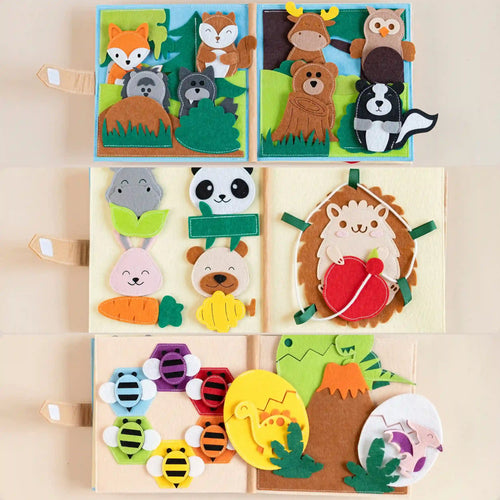
Over time, more complex processes are added. The baby learns that an action leads to a reaction – for example, when a motif is hidden behind a flap or a movable part changes its position. Such small cause-and-effect experiences are early cognitive building blocks. They may seem inconspicuous, but they are enormously valuable.
Concentration also develops naturally here. Because felt toys don't loudly demand attention, the child has to become active themselves. This form of quiet engagement is often more sustainable than short-lived, stimulating games.
When are sensory felt toys useful?
This depends less on an exact month than on individual development. Very young babies primarily benefit from soft, easily visible elements that they can look at and touch with support. As grasping becomes more conscious, the utility of felt toys also significantly increases.
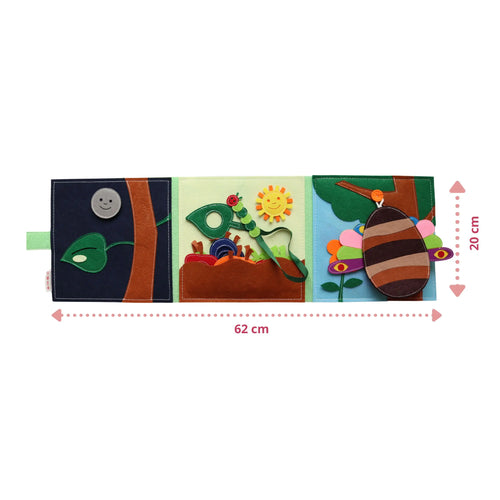
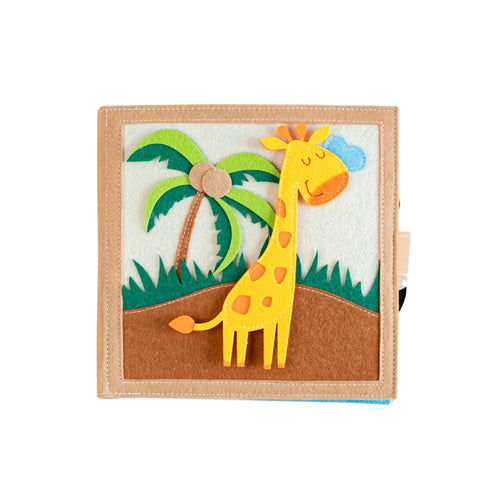
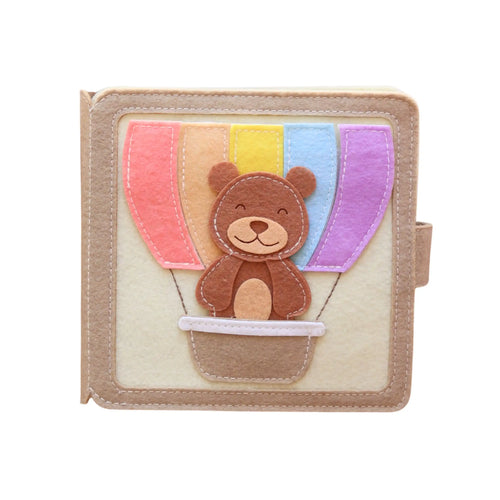
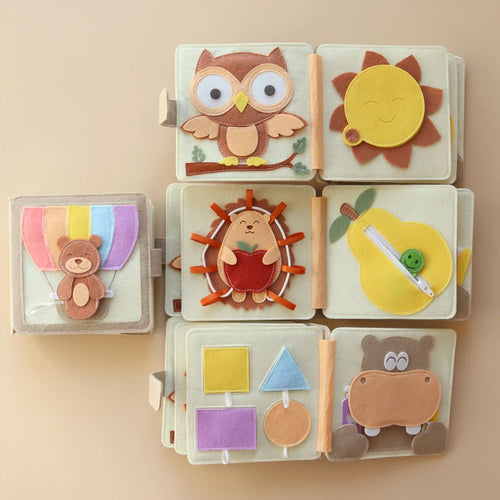
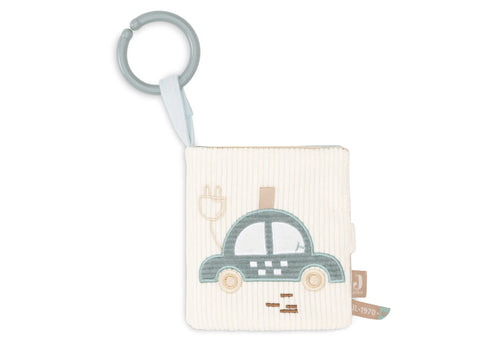
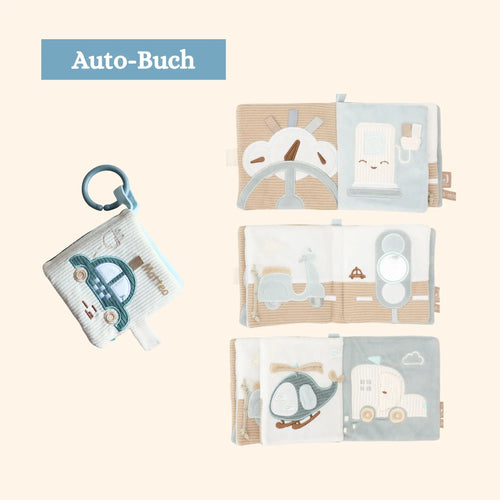
For babies from about three months old, simple, softly crafted felt pages or Mini Quiet Books are often a good introduction. Here, a few large elements are sufficient. From six to twelve months, play offerings can become a little more active – for example, with pull-out parts, simple flaps, or different textures.
It's important to be realistic. A newborn won't play with an activity book independently. An older baby, however, can engage intensively with individual pages. So, it's not just about the product, but about how well it fits the child's current phase.
The right toy for quiet moments
Felt toys particularly show their strength in situations where parents don't want to carry noisy or bulky toys. In restaurants, while traveling, in waiting rooms, or during a quiet break at home, soft sensory books are often more practical than larger play stations.
They take up little space, feel familiar, and can be used repeatedly without quickly becoming boring. Especially for families who consciously choose screen-free activities, this is a real advantage.
Safety and care – two points parents should not overlook
With baby toys, safety is never a minor issue. Pay attention to clean, sturdy craftsmanship and age-appropriate recommendations. Movable parts should be securely sewn, edges should be soft, and the entire product should give a high-quality impression. If something feels fragile upon first touch, caution is advised.
Care is the second often underestimated point. Babies hold toys close to their faces, grasp them with damp hands, and often drop things. Therefore, felt toys should be made to withstand everyday family life. Not every product is intended for frequent washing, so it's worth checking the care instructions.
Especially with handmade items, quality often shows in how they remain beautiful even after many uses. This not only makes them more suitable for everyday use but also more attractive as a gift.
What distinguishes high-quality felt toys from mass-produced goods
At first glance, many soft baby toys look similar. In use, however, the differences quickly become noticeable. High-quality products are usually better proportioned, more clearly designed, and more thoughtfully constructed. The colors appear harmonious rather than garish, the elements are sensibly placed, and the haptics are cohesive.
Toys that not only engage but also grow with the child are particularly valuable. A baby initially only feels shapes and surfaces. Later, the same elements are opened, matched, or recognized. This way, the play material remains interesting for longer.
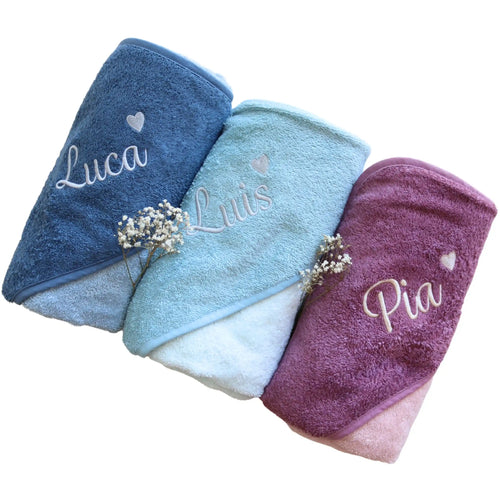
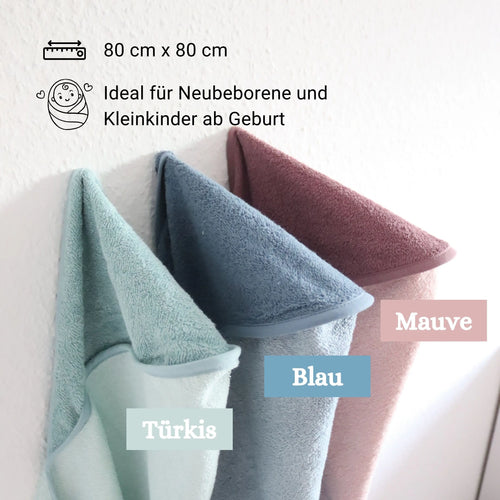
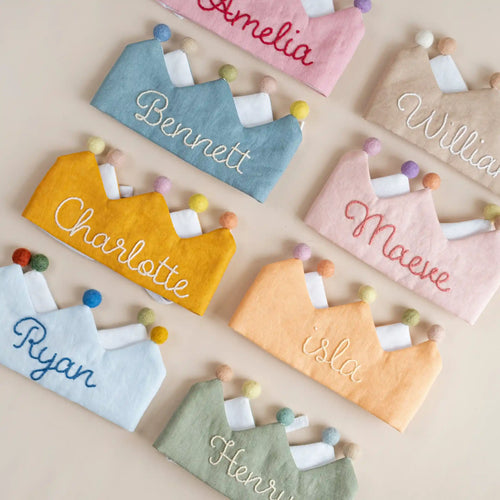
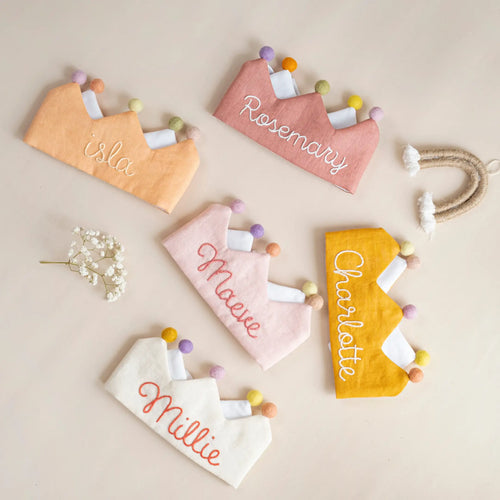
Quiet books, activity cubes, hooded towels — all with a name
Sign up and we’ll personalize your child’s Quiet Book, Activity Cube, or Hooded Towel with their name for free!
You're in!
Thanks for signing up.
Free personalization
Sign up and we'll put your child's name on their quiet book or activity cube for free!
You can unsubscribe at any time.
Welcome to Habi Kids!
Thanks for signing up! If you're new, you'll find your voucher code in your inbox shortly.
- Choosing a selection results in a full page refresh.
- Opens in a new window.