




When to start using Quiet Books?
Share
Anyone holding a Quiet Book for the first time often wonders not whether it makes sense, but from what age Quiet Books truly become enjoyable. The short answer is: earlier than many think – but always suited to the child's developmental stage. Because a good Quiet Book not only grows with the child, but also addresses very different skills depending on their age.
Parents, grandparents, and gift-givers in particular wish for toys that are beautiful, quiet, and meaningful. This is precisely where the strength of Quiet Books lies. They engage little hands without overstimulating and offer focused, tangible play instead of flashing effects. The key is simply that the content, size, and details match the child's age.
From when Quiet Books make sense
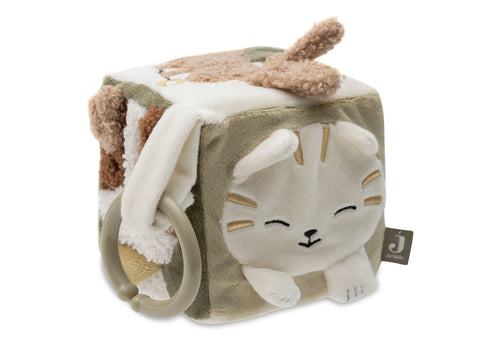
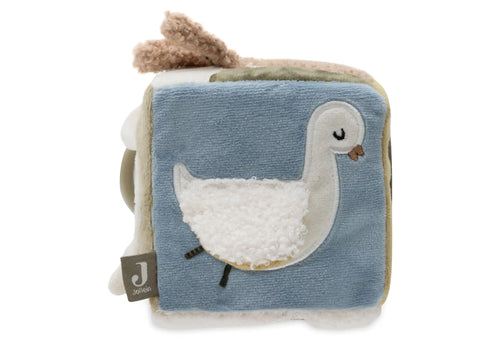
Quiet Books can be interesting even for babies, though not in the same form as for a toddler. Between about 3 and 6 months, babies primarily respond to soft materials, contrasts, different surfaces, and simple tactile elements. At this age, it's not about "solving" tasks, but about sensory experience. The book is looked at, touched, crinkled, and explored with their hands.
From about 6 to 12 months, play becomes more targeted. Many babies begin to grasp flaps, lift fabric pieces, or imitate simple movements. They train their hand-eye coordination and learn that their actions cause a reaction. This is an important step, even if play remains short and more experimental.
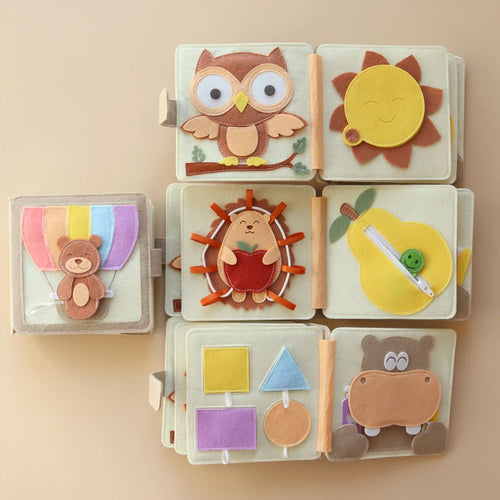
Quiet Books are often used intensively from about 12 months up to preschool age. Then, children can increasingly recognize connections, sort colors, open fasteners, sort shapes, or reenact small everyday situations. A tactile book becomes an activity book with real learning value.
What age group needs what kind of Quiet Book
3 to 12 months - feeling, looking, grasping
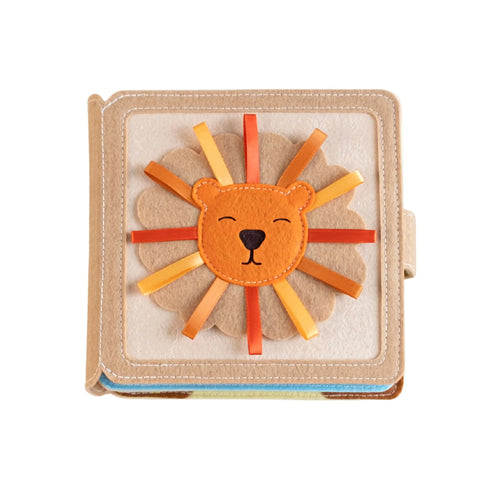
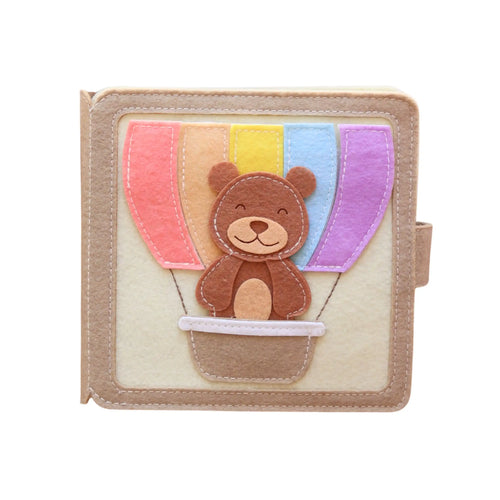
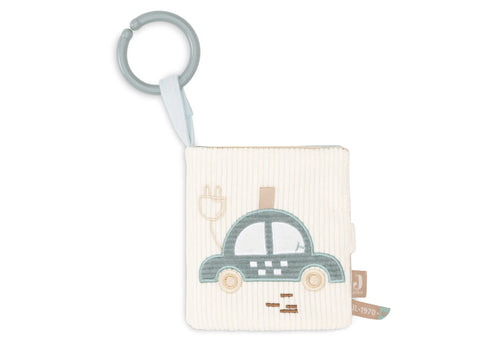
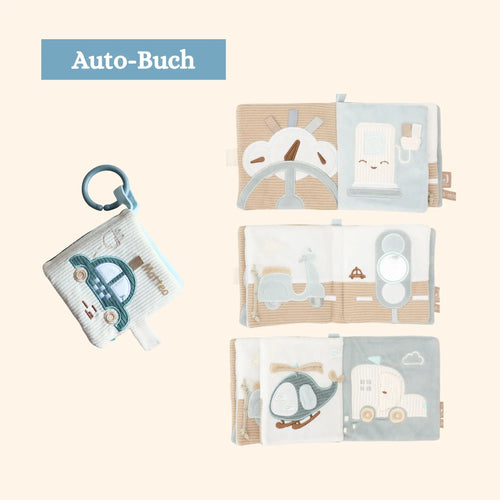
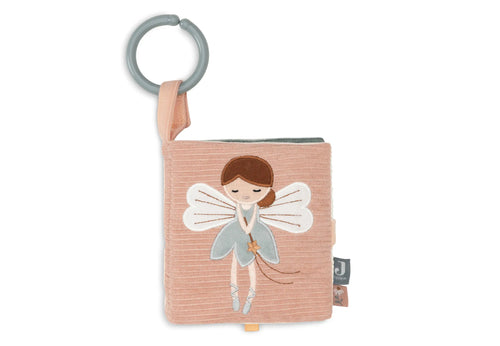
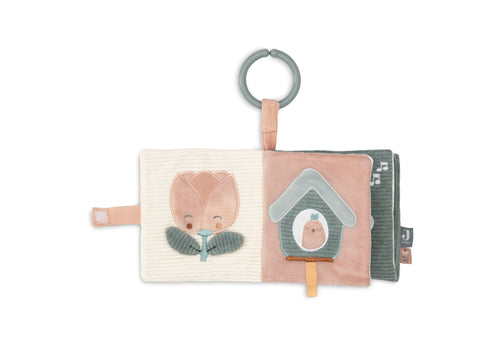
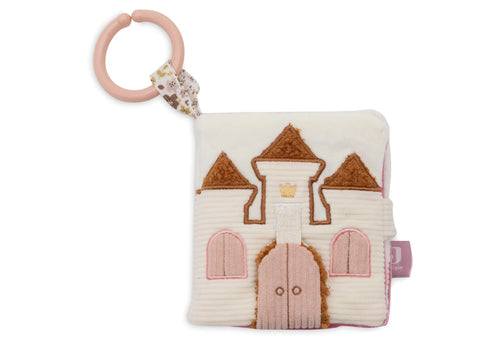
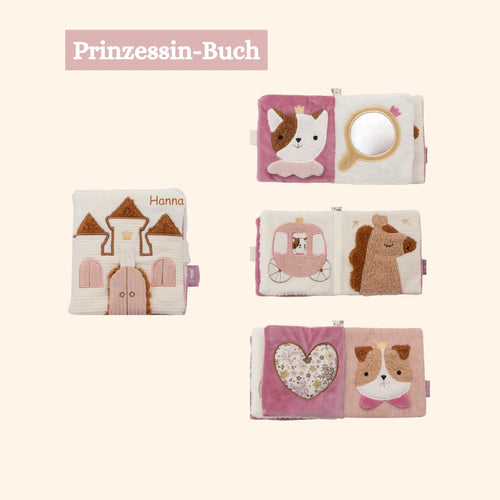
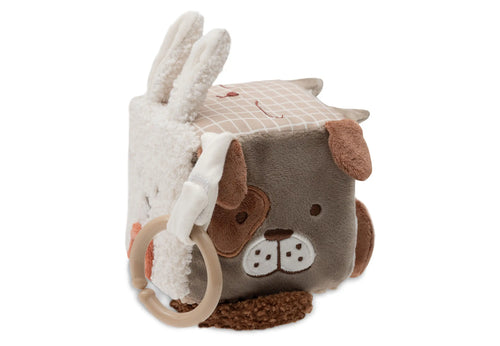
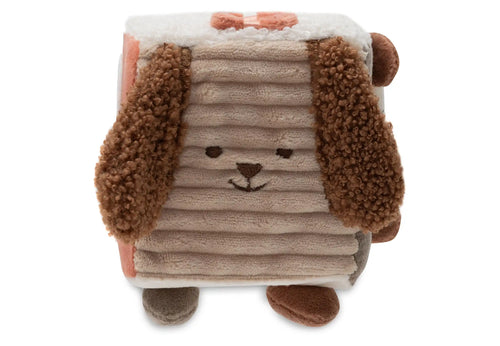
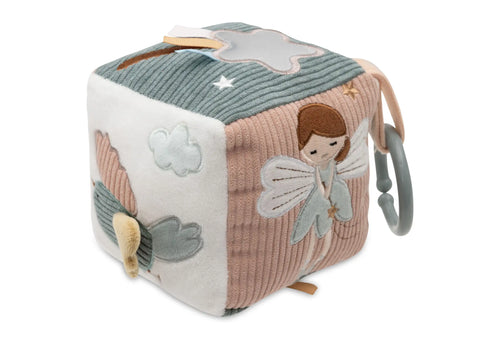
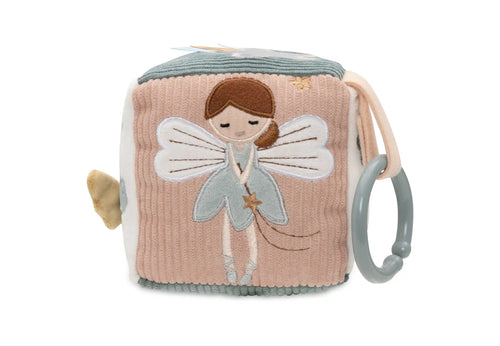
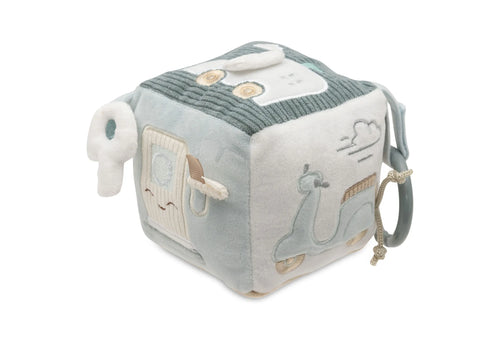
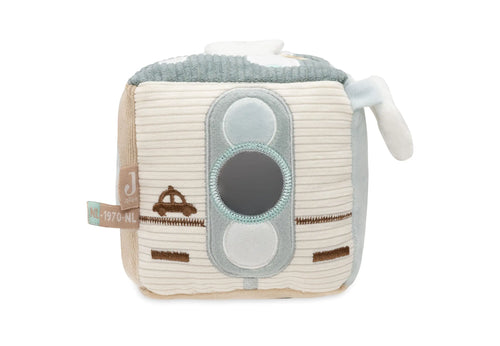
In the first year of life, a Quiet Book should primarily be soft, safe, and clear. Large shapes, few elements per page, and pleasant fabrics are more important here than complex tasks. Babies benefit from simple stimuli that are not overwhelming. A Mini Quiet Book with clear colors and easily graspable details usually fits better than an extensive activity book with many small parts.
Shared use is also important at this age. Parents show, name, turn the page, and verbally accompany the exploration. The book is then not just play material, but also a quiet moment of bonding.
1 to 2 years - understanding first tasks
From the first birthday, much changes. Children no longer just want to touch, but to try things out. Velcro areas, simple matching, movable elements, or small surprises behind flaps now become exciting. The child slowly understands cause and effect and develops joy in accomplishing things themselves.
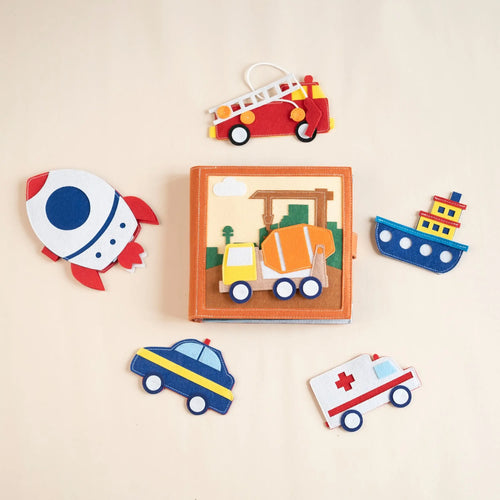
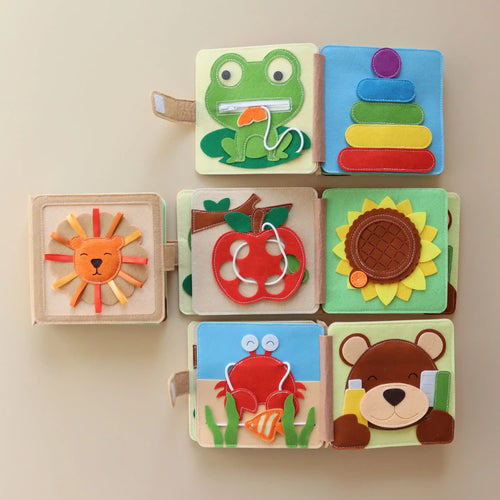
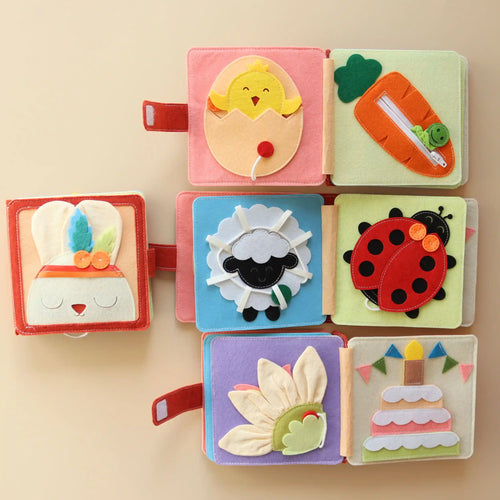
This phase is ideal for first everyday motifs. Animals, vehicles, simple colors, or clothing items are familiar and motivate participation. At the same time, play strengthens fine motor skills, concentration, and language comprehension.
2 to 3 years - engaging independently
Now, Quiet Books often become a regular part of everyday life. Many children can engage with a page for significantly longer, consciously repeat tasks, and want to experience success. Zippers, buttons, shapes, numbers, or sorting games make particular sense at this age.
Quiet Books are also particularly practical for on the go now. In restaurants, while traveling, or during waiting times, they help to keep children quietly and meaningfully occupied. They offer activity without noise and without screens – something many families consciously seek.
3 to 5 years - learning, playing, practicing daily life
In preschool age, Quiet Books can become more complex. Children can distinguish colors more reliably, understand sequences, recognize patterns, and perform finer movements. Pages for counting, matching, closing, lacing, or role-playing now fit well.
It's particularly valuable that Quiet Books at this age don't have to look like "learning toys" to promote a lot of development. Children experience them as play, but in doing so, train concentration, perseverance, logical thinking, and independence. This very combination makes high-quality activity books so durable.
How parents know their child is ready
Not every child starts at the same time. Some are interested in fabric books very early, others later. Therefore, the better question is often not just "From when to use Quiet Books?", but also: What is my child currently showing interest in?
A good sign is if a child enjoys grasping, turning pages, experimenting with fasteners, or wanting to repeat small tasks. Even when quiet engagement is needed in everyday life, a suitable Quiet Book can be a real relief. This is especially true for children who like to use their hands and eyes simultaneously and enjoy concrete activities.
A too demanding book that overstimulates is less useful. If parts are too small, tasks too complex, or pages too full, children quickly lose interest. Then it's usually not the concept, but the wrong level.
Why the right Quiet Book is used longer
With high-quality Quiet Books, it's not just the age on the label that counts, but the design. Good books meet children where they are and offer enough variety for the next developmental steps. This is particularly interesting for families who consciously want to invest in durable toys.
A handmade Quiet Book often seems more thoughtfully designed than noisy mass-produced toys. Materials feel more pleasant, details are lovingly crafted, and the play ideas are more strongly oriented towards the child's actual abilities. For many parents, this is precisely the difference between a short-term purchase and a companion that is brought out again and again over the years.
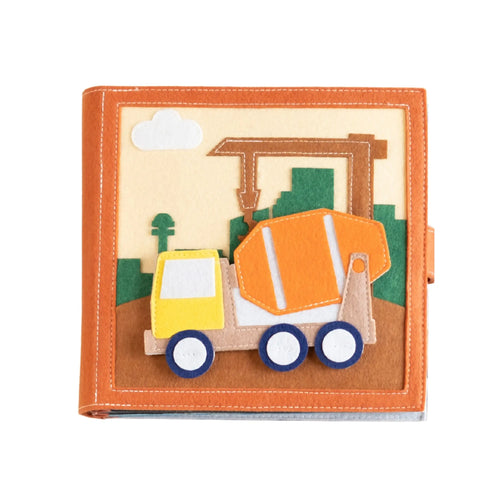
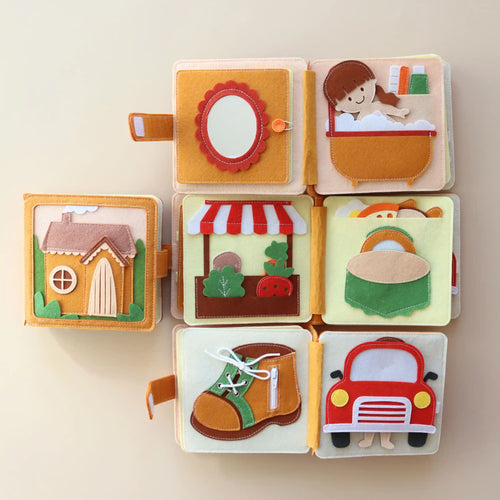
At Habi Kids, this idea is particularly evident in the age-appropriate formats – from gentle Mini Quiet Books for the youngest to more versatile activity books for older children. This makes the selection easier if you're not just looking for any beautiful gift, but something truly suitable.
From when to use Quiet Books - and when to choose which theme?
Age is one side, the theme is the other. A child may already be motorically ready but responds more strongly to certain content. Babies and young toddlers often love simple, familiar motifs like animals, faces, or shapes. Older children are more likely to engage with everyday tasks – such as dressing, closing, sorting, or small role-playing games.
The purpose also plays a role. For home, a Quiet Book can be a bit more extensive. For on the go, lighter, more compact versions are often more practical. As a gift for a birth or first birthday, a soft, high-quality book seems particularly meaningful because it can accompany early and be used for a long time.
When choosing for a two- or three-year-old, one should ensure that not only can they look, but truly act. Children at this age want to open, fasten, organize, and solve things themselves. The more actively they participate, the longer the Quiet Book remains interesting.
What makes Quiet Books so special
Many toys are either beautiful to look at or educationally designed. Quiet Books combine both when they are well-made. They create quiet play moments, encourage fine movements, and give children the good feeling of discovering something themselves. Especially in a family life that is often busy and loud, this is a real added value.
In addition, there's a point that many adults immediately feel: Quiet Books seem consciously chosen. They are not arbitrary. As a gift, they convey attention, quality, and the desire to give a child something sustainable. For parents, in turn, they are often precisely the kind of activity that not only bridges time but truly accompanies development.
So the question is less whether Quiet Books can be used early enough. Much more important is that they suit the child. If material, size, and play idea are tailored to the respective phase, children can enjoy them as babies – and play with them years later. That's precisely their special value: they don't just provide occupation, but small, quiet learning moments that are often the most beautiful in everyday life.