

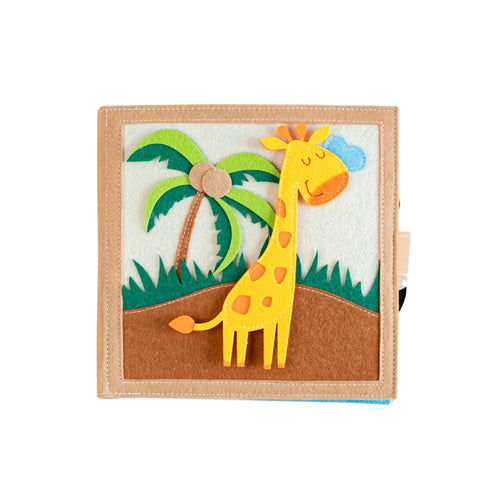
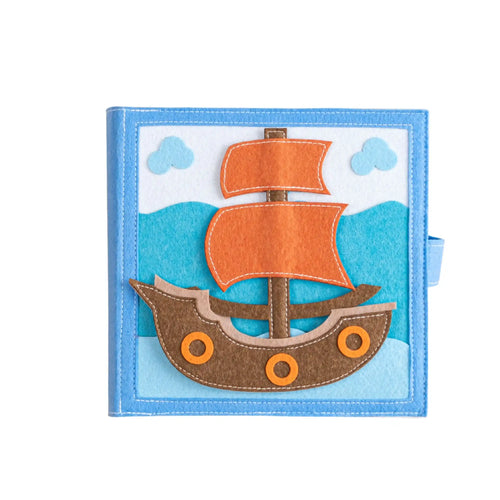


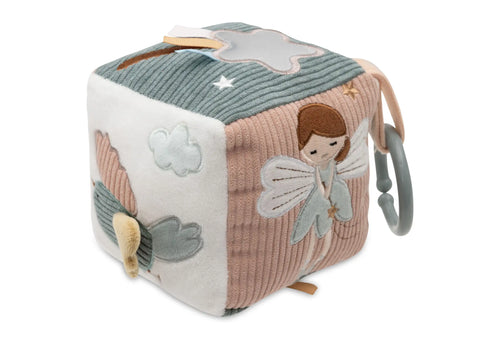
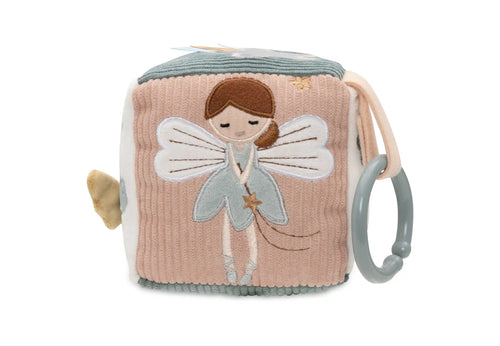
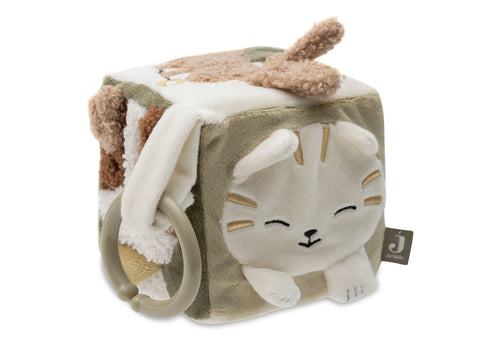
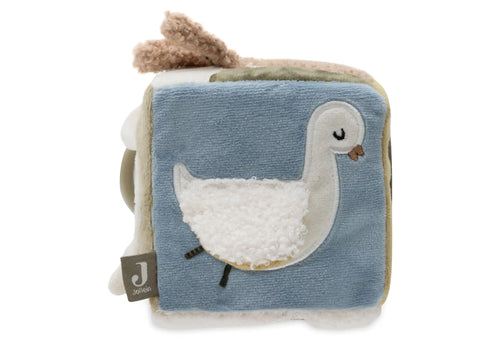
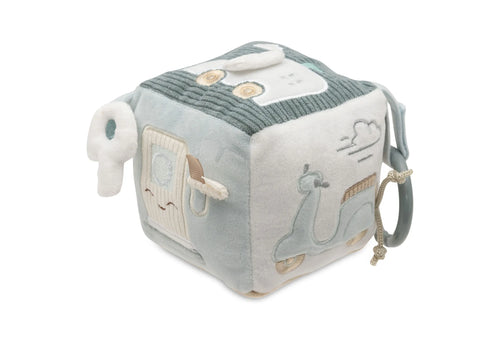
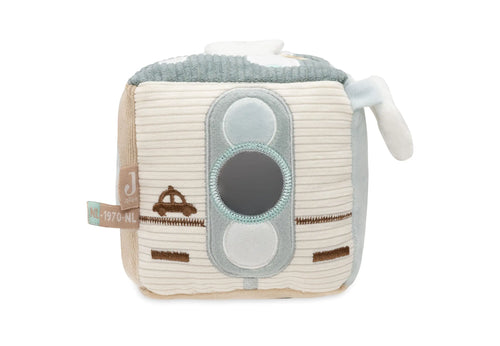

Toddler busy book on the go
Share
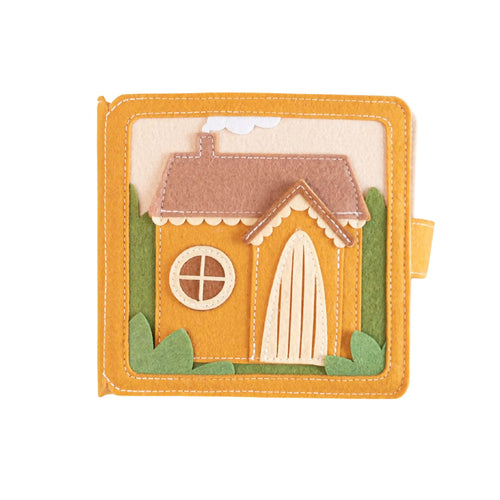
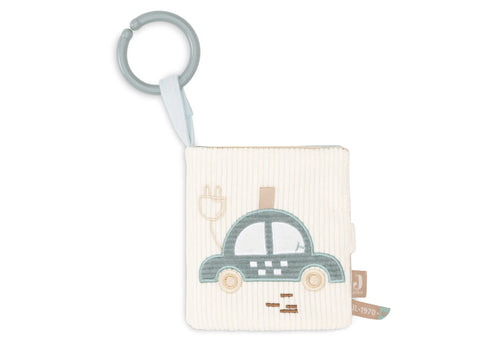
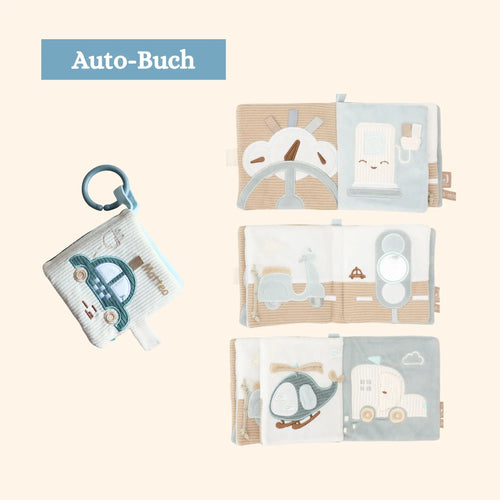
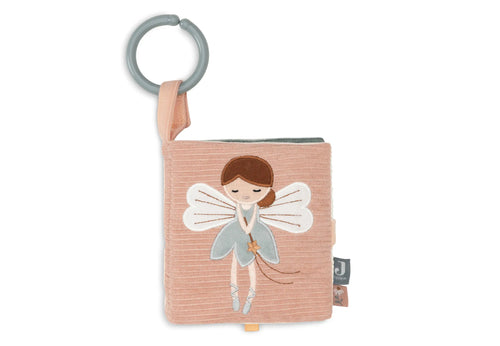
Anyone who has ever sat in a waiting room, on a train, or in a restaurant with a tired, curious two-year-old knows the fine line between peaceful engagement and complete overstimulation. This is precisely why a busy book for toddlers on the go becomes a constant companion for many families – not as a loud distraction, but as a quiet, thoughtful play option for little hands.
A good busy book shouldn't just pass the time on the go. It should provide security, spark interest, and capture a child's attention so that restless minutes turn into meaningful, relaxed playtime. For parents, grandparents, and anyone looking for a truly useful gift, it's worth taking a closer look at what such a book should offer.
Why a busy book for toddlers on the go works so well
For young children, being on the go can be exhausting. New noises, unfamiliar people, long waits, and limited freedom of movement demand a lot of self-regulation. Traditional toys are often too bulky, fall down, or make noise. While a screen can sometimes calm a child quickly, it often leads to overstimulation and isn't always the best solution in every situation.
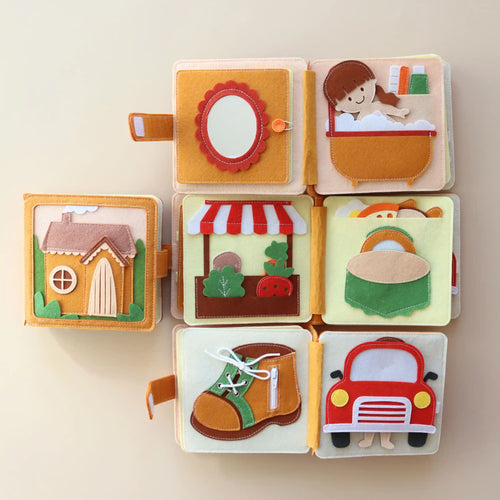
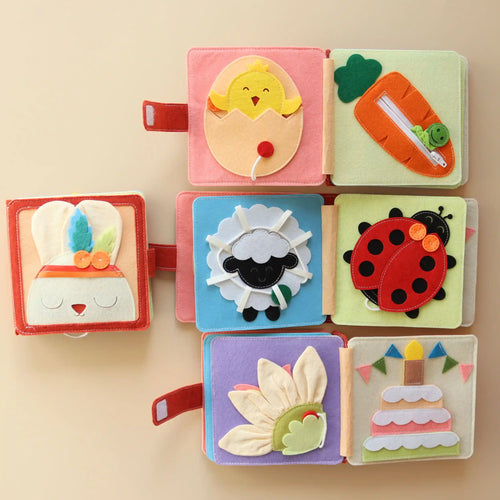
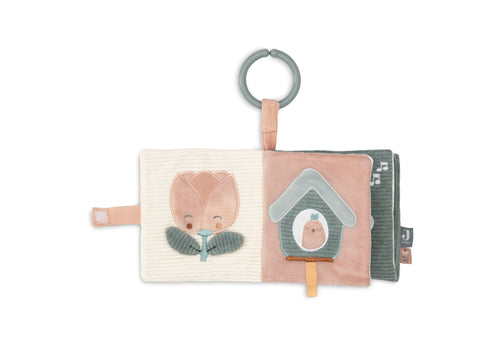
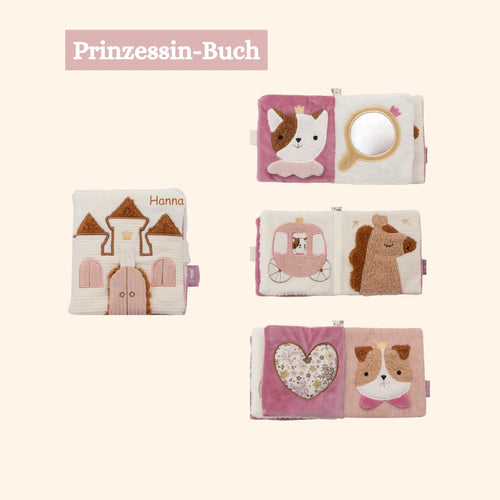
A well-made busy book addresses this very point. It's soft, handy, and designed to encourage active play. The child pushes, opens, inserts, sorts, presses, or closes. These simple actions may seem small, but they are very valuable for development. They train fine motor skills, strengthen hand-eye coordination, and promote concentration and perseverance – all without flashing effects.
There's also an emotional benefit that many parents immediately notice. When a child holds something familiar on the go, tension often decreases. A busy book can therefore not only occupy but also help to make transitions smoother – from the car to the cafe, from the stroller to the waiting room, or from the airport to the gate.
What makes a good busy book for toddlers on the go
Not every activity book is automatically suitable for everyday use. On the go, other things matter more than in the playroom. The most important criterion is often the balance between stimulation and calm. Too many colors, loose parts, or complicated tasks can frustrate young children rather than captivate them. Too little variety, on the other hand, quickly loses its appeal.
A high-quality busy book offers several small activities that are immediately understandable yet allow for repetition. Children love precisely that. They want to open the same buckle again, re-insert the same shape, or rediscover the same flap. Repetition is not a lack of variety, but a central part of childhood learning.
Equally important is the quality of the materials. On the go, a book is often crumpled, carried, dropped, and played with intensively. Soft, sturdy materials not only feel more pleasant but also last longer. Especially for younger children, everything should be safely manufactured and fit well in small hands.
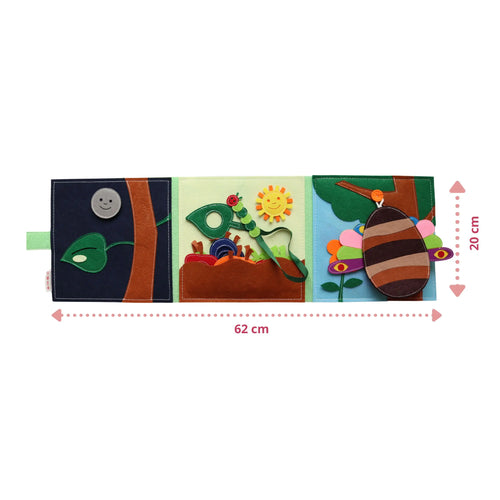
A busy book becomes practical when it works without much preparation. It should be ready to use straight out of the bag, make no noise, and ideally be so compact that it doesn't get in the way in the car, backpack, or under the stroller. This is precisely where many families see the difference between a nice toy and a real everyday helper.
What content is truly useful on the go
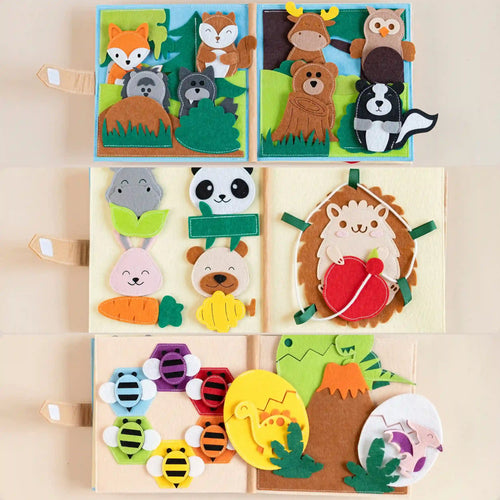
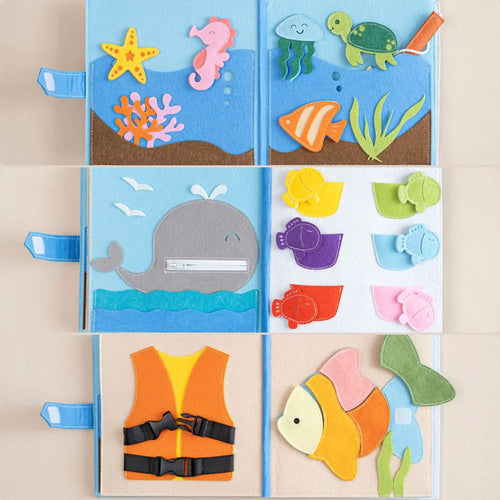
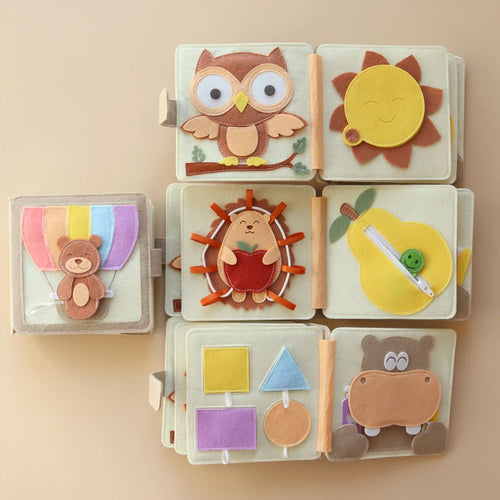
Children on the go don't need overloaded learning programs. They usually benefit more from clear, tangible tasks. Simple fasteners, Velcro elements, buttons, shapes, colors, animals, or everyday themes are particularly suitable. Such content connects to the child's world and immediately creates access.
For younger toddlers, tactile experiences are often more important than complex tasks. They want to feel, pull, push, and discover. Older children stay engaged longer with matching, role-playing, or small sequences like dressing, tidying up, or sorting. A busy book can grow with the child but should not overwhelm them.
Another point is often underestimated: Good activities give the child a sense of self-efficacy. When they open a buckle alone or correctly assign a figure, pride arises. Especially on the go, where so much is decided by adults, this is a quiet but powerful effect.
For what age is a busy book suitable?
The question of the right age cannot be answered with just a number. Development is individual. Some children engage with simple fabric elements very early on, while others get more intensely involved later. The key is whether the tasks match the current stage of development.
For younger children, sensory stimuli, first gripping movements, and simple cause-and-effect experiences are paramount. For older toddlers, it can be a bit more targeted: opening and closing, matching, sorting, re-enacting first everyday situations. Preschoolers often like more complex pages with several steps or small stories.
When gifting a book, an age-appropriate selection is best. Overwhelming a child too early quickly leads to the book being put aside. Content that is too simple, on the other hand, is only briefly exciting. A good, lovingly designed book meets the child where they are.
In the car, in the restaurant, while traveling – context matters
A busy book for toddlers on the go is used in very different situations. In the car or on a plane, compact, quiet activities that work on the lap and don't require loose parts are ideal. In a restaurant, quiet activities are needed to keep the child in their seat without occupying the entire table.
In the waiting room, something familiar is particularly helpful. Children often have to be quieter there than their natural urge to move dictates. A familiar book with recurring tasks provides structure and reduces the likelihood of boredom immediately turning into restlessness.
On longer journeys, variety is important. Then a busy book with several pages and different difficulty levels is worthwhile. This way, it remains interesting not just for ten minutes, but accompanies several stages. Nevertheless: no book replaces movement, breaks, and genuine attention. It is a help, not a miracle.
Why handmade quality makes a difference
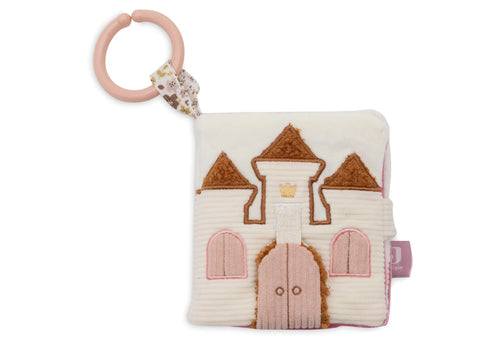
Especially with products for young children, quality is noticeable not only visually but also in daily use. Carefully crafted quiet books or activity books feel high-quality, are more pleasant to grasp, and often last significantly longer than quickly mass-produced goods. This is not just a question of durability, but also of value.
Many families today want toys that are consciously chosen and have a place in everyday life. A handmade busy book fits precisely this need. It doesn't seem arbitrary, but thoughtful. It invites quiet, concentrated play and supports skills that children truly need.
In addition, there's the gift idea. For birthdays, baptisms, Christmas, or as a travel gift, a high-quality book is particularly nice because it is both practical and personal. When design, material, and utility come together, something is created that not only looks good but is actually used in family life.
What parents and gift-givers should look for when buying
A beautiful look alone is not enough. It makes sense to look at workmanship, age recommendations, size, and play concept. Does the book fit into the everyday bag? Is it sturdy enough for frequent use? Are the tasks clear and intuitive? And most importantly: Does it match the child's temperament?
A very active child often needs pages that allow for a lot of manual work, such as sliding, threading, or opening. A more observant child might like matching, figures, and quiet discovery pages. So there isn't one perfect book for everyone, but the right selection for a particular child.
The adults' expectations also play a role. Some are primarily looking for help with restaurant visits, while others want a developmentally supportive toy for travel and quiet moments at home. Both are legitimate. The only important thing is that utility and expectation match.
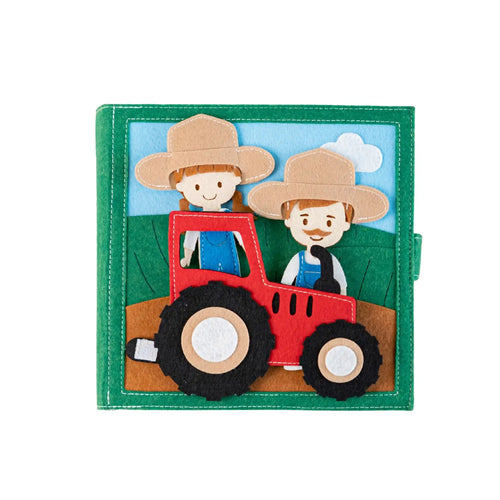
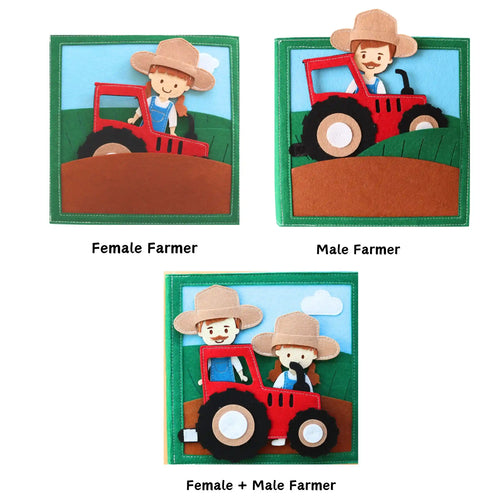
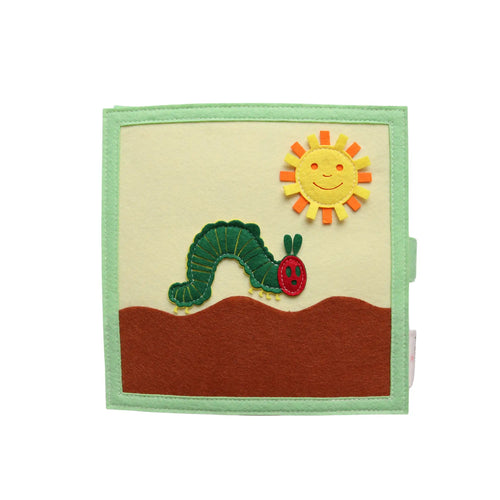
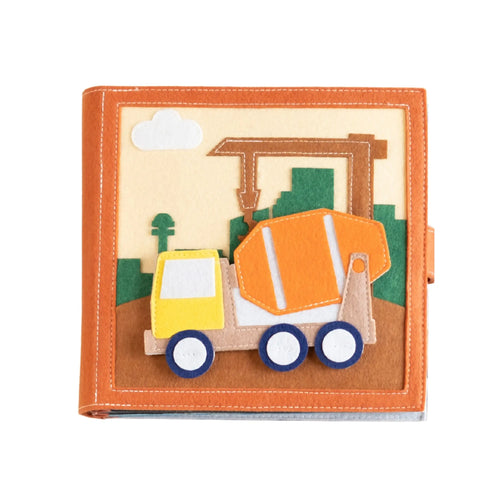
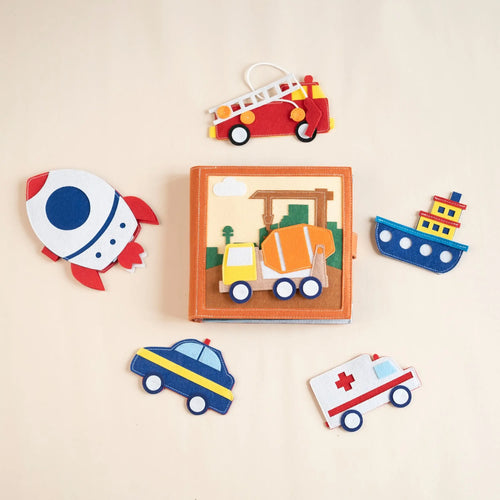
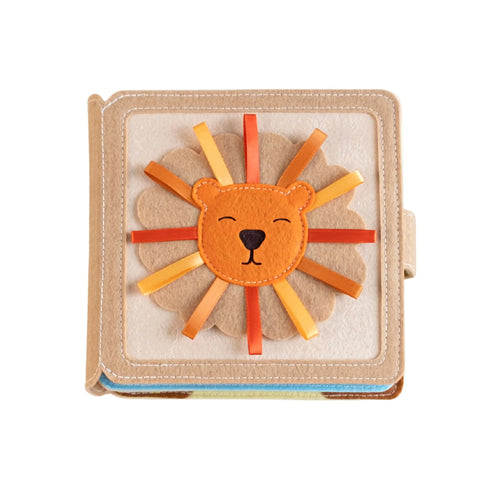
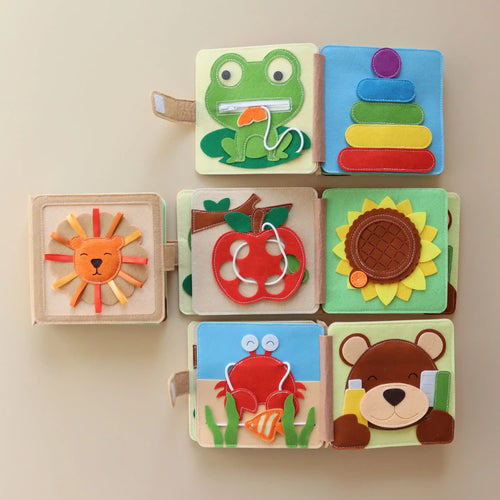
At Habi Kids, this very idea is central: lovingly crafted quiet books that quietly occupy children and at the same time support their development in everyday life.
Less noise, more genuine engagement
Many parents only realize on the go how wonderfully quiet play can be. No plastic noise, no flashing light, no hectic switching between stimuli. Instead, concentrated hands, an alert gaze, and small moments of success that come without much fanfare.
This is what makes a busy book so special. It's not there to simply keep a child quiet. It offers a form of engagement that is mindful, tangible, and meaningful. Especially in a time when distraction often works quickly and loudly, this type of play seems almost unusual – and precisely because of that, so valuable.
When a toddler on the go holds something in their hands that they can explore, understand, and repeat themselves, precisely what families most desire on the go often arises: a quiet moment that feels good.