




Busy Books for Toddlers: What They Are, Why They Work & How to Choose One
Share
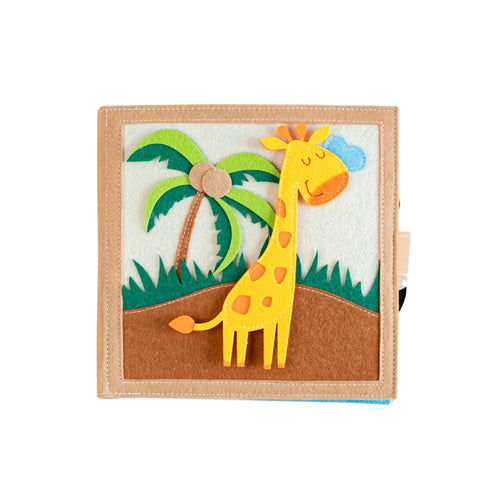
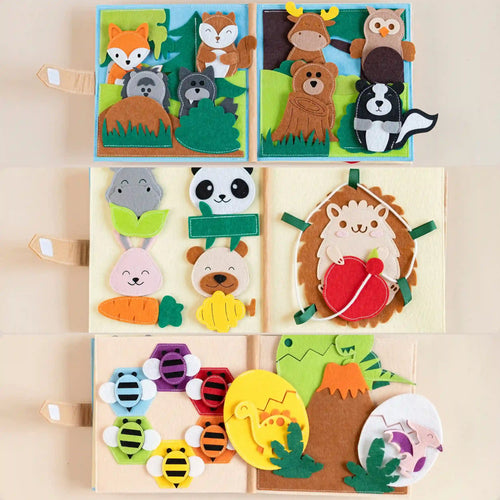
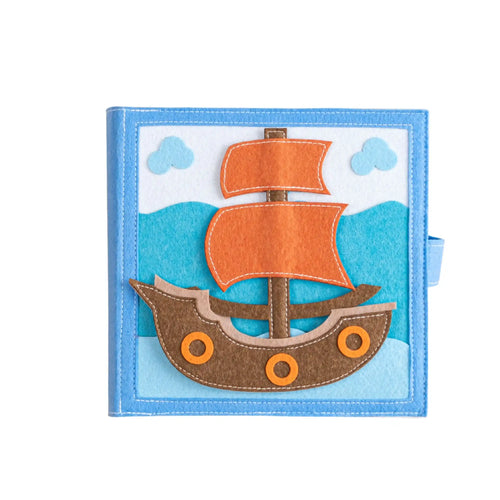
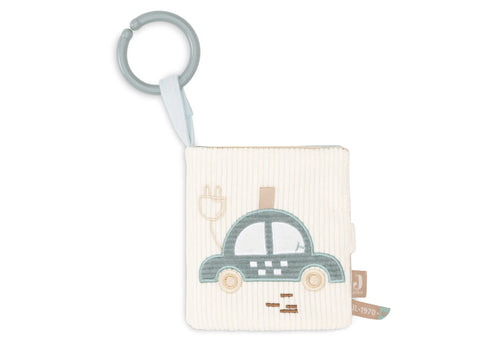
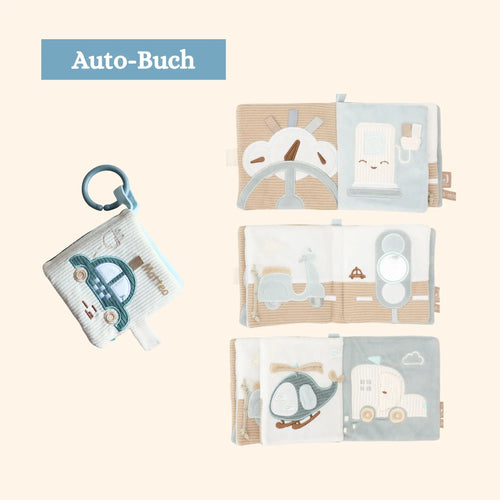
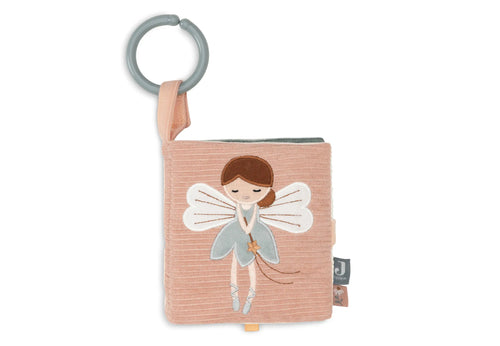
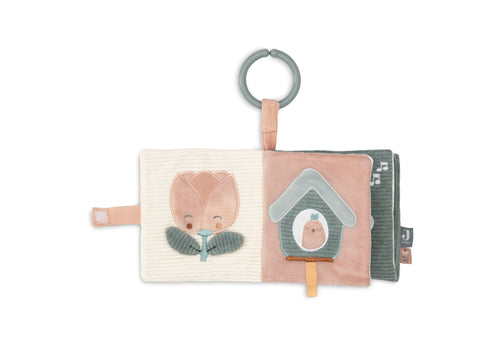
A busy book (also called a quiet book) is a soft fabric book filled with hands-on activities — zippers to pull, buttons to fasten, shapes to sort, laces to tie. Instead of reading it, your toddler does it. Busy books keep little hands purposefully occupied at home, in restaurants, on planes and car rides — completely screen-free. Here's what makes a good busy book for toddlers, and how to choose one that will actually get used for years.
What is a busy book, exactly?
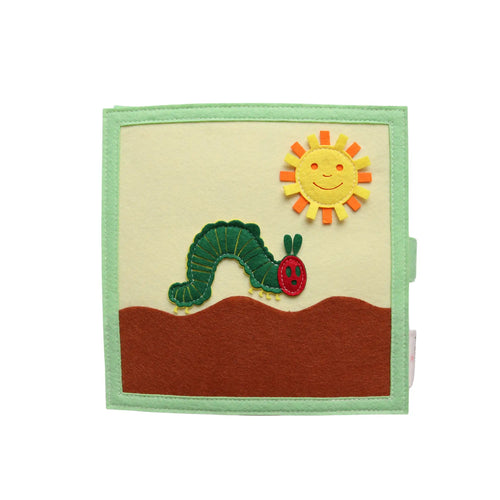
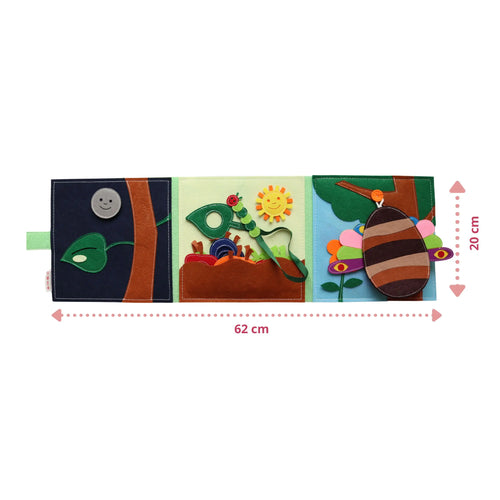
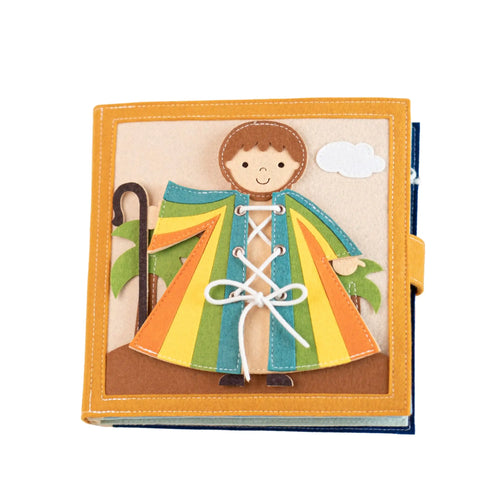
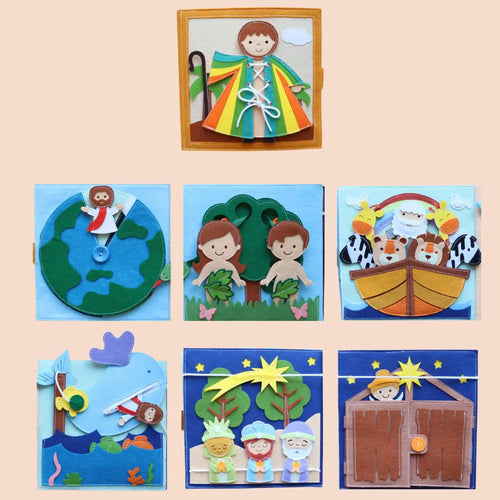
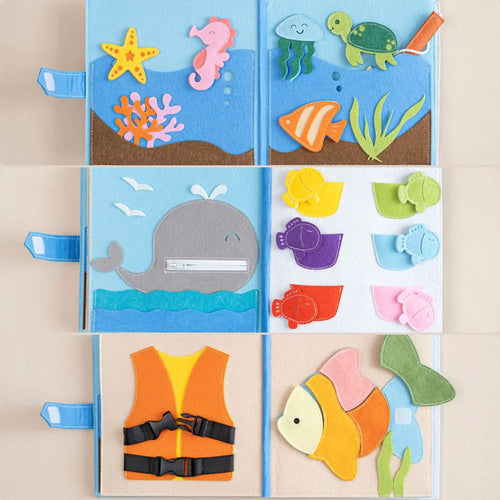
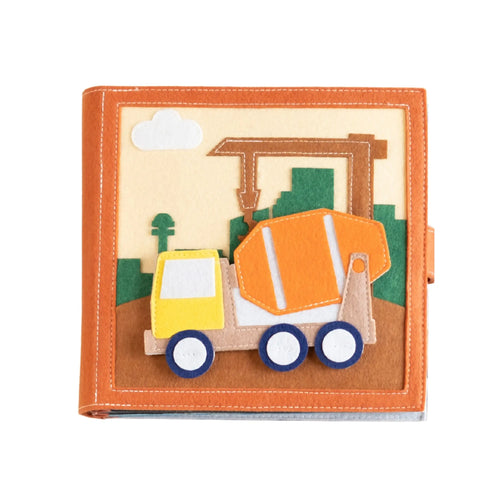
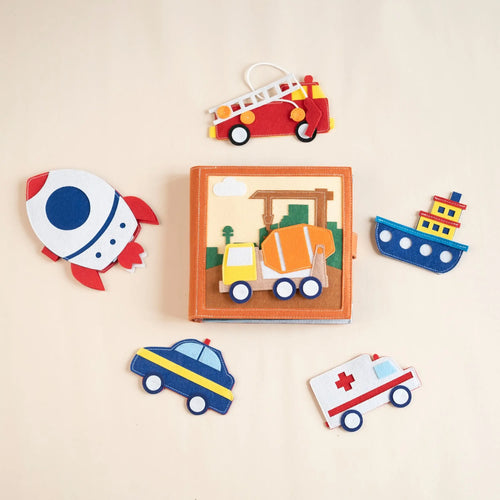
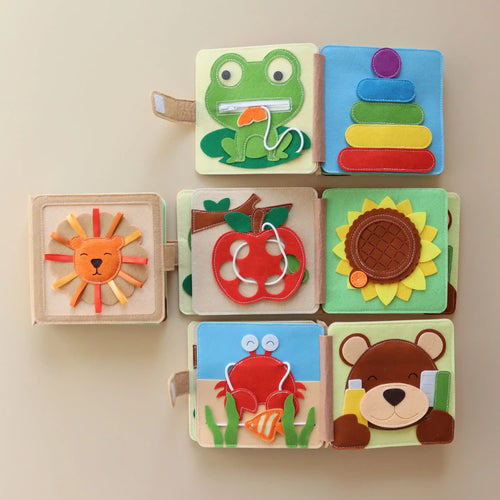
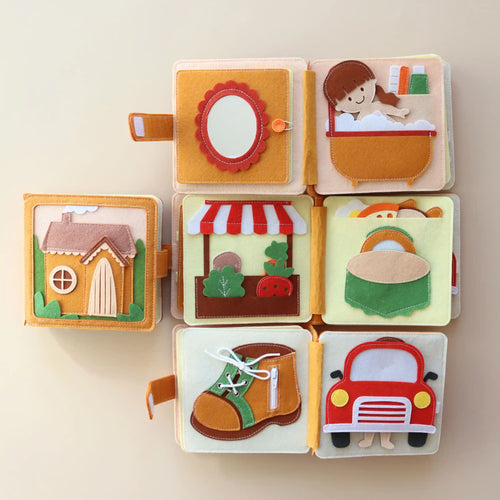
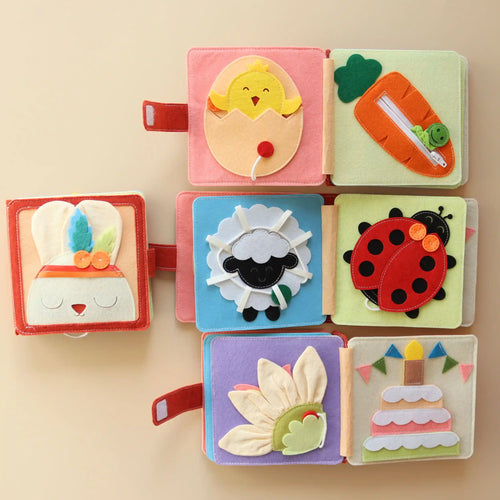
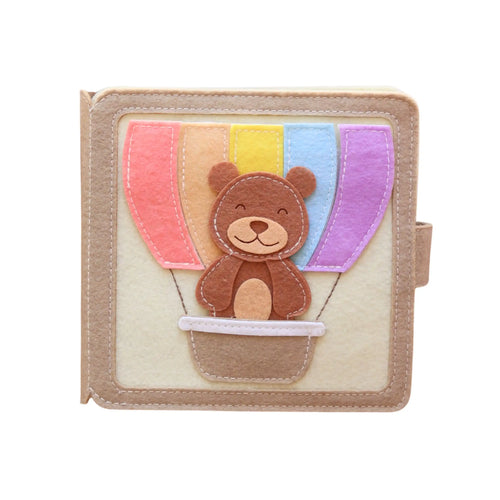
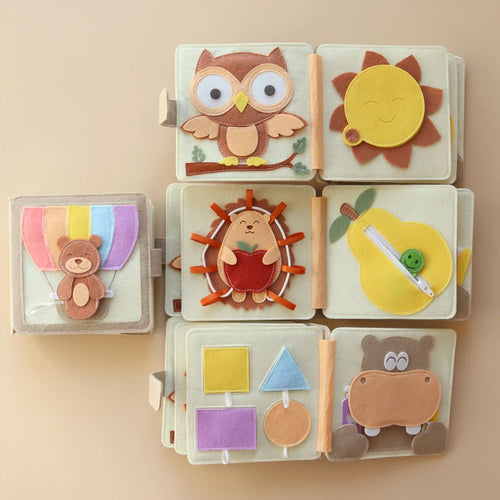
Busy books are activity books made of felt or fabric, usually with one self-contained activity per page. Typical pages include practical-life skills (buckles, buttons, zippers, braiding), fine-motor challenges (moving beads, threading, finger puppets), and early-learning themes (colors, shapes, counting, animals, daily routines). The best ones are handmade from soft felt, machine-stitched for durability, and sized for small hands.
Busy book benefits: why parents (and Montessori educators) love them
- Fine motor skills: zipping, buttoning, and threading build exactly the hand strength and coordination toddlers need for dressing themselves and, later, writing.
- Focus and independent play: one page = one task. That clear structure is why busy books hold toddler attention far longer than most toys.
- Practical life, the Montessori way: a Montessori busy book mirrors real-life skills — closing a buckle, tying a shoe — in a child-sized format your toddler can master alone.
- Quiet, portable, screen-free: busy books are the classic restaurant, church, waiting-room, and airplane toy. No batteries, no noise, no screen.
What age is a busy book for? (with our picks per stage)
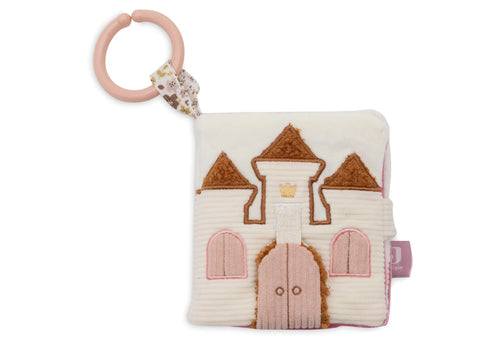
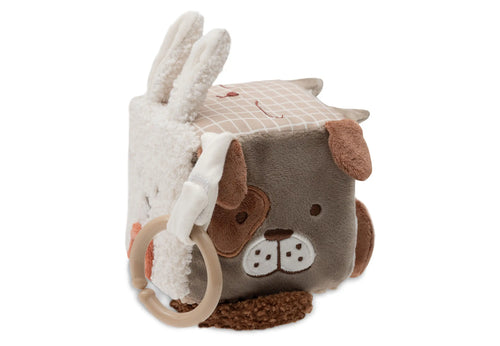
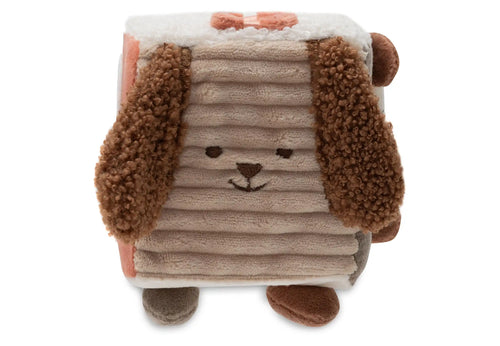
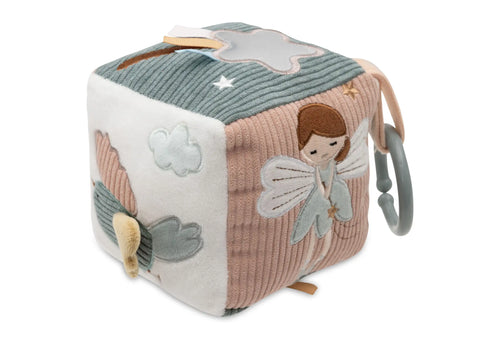
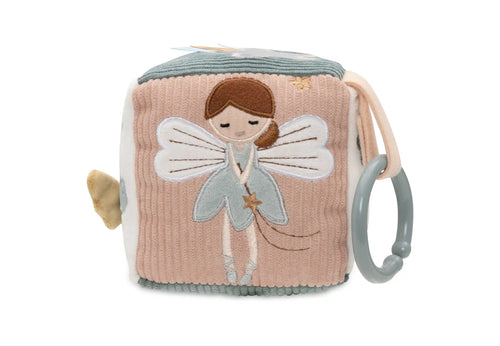
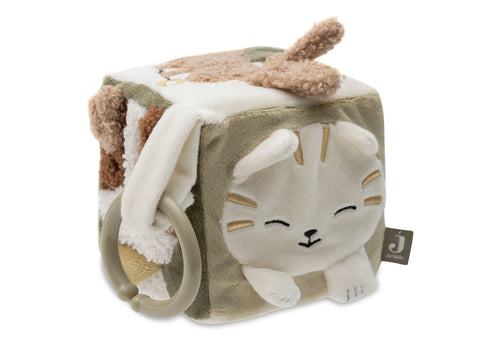
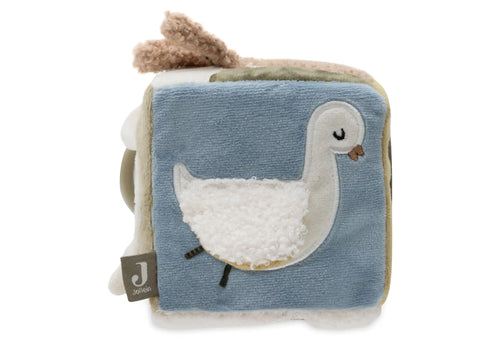
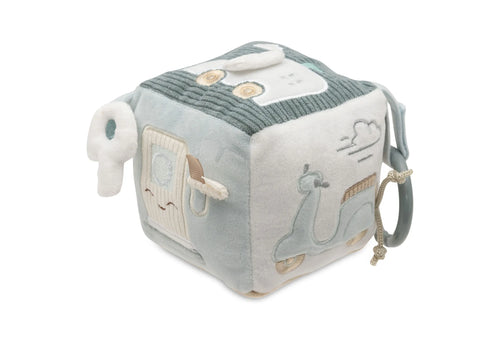
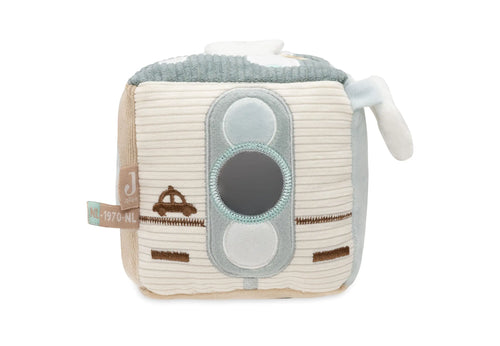
- 0–12 months: before a real busy book, babies need pure sensory play: crinkle pages, mirrors, textures. Start with a soft baby cloth book or a soft baby activity cube — our guide to sensory books for babies covers this stage in detail.
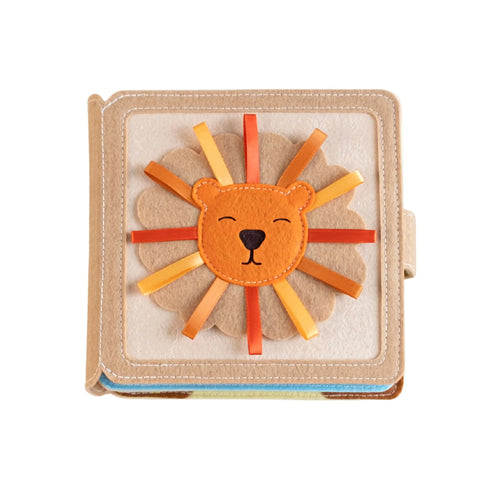
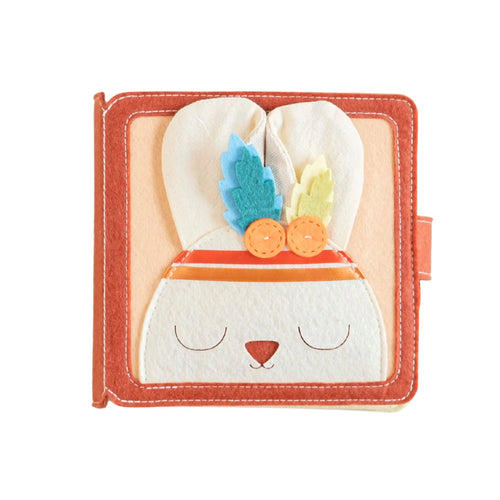
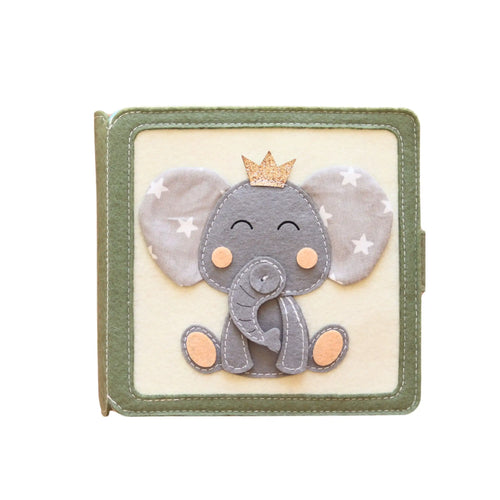
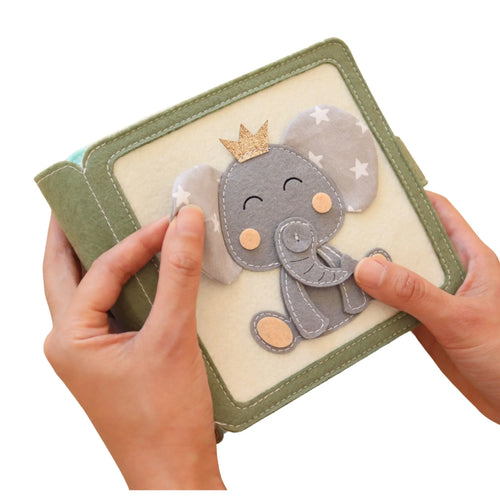
- 6–18 months: first baby activity books — simple, large elements, textures to feel, nothing small or detachable. The compact Mini Quiet Books (elephant, bunny, bear, lion themes) are made exactly for this stage.
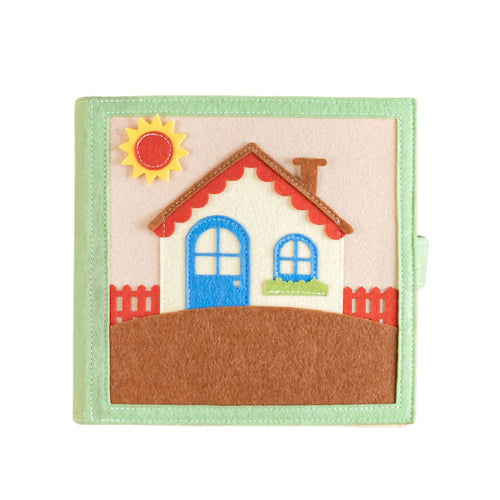
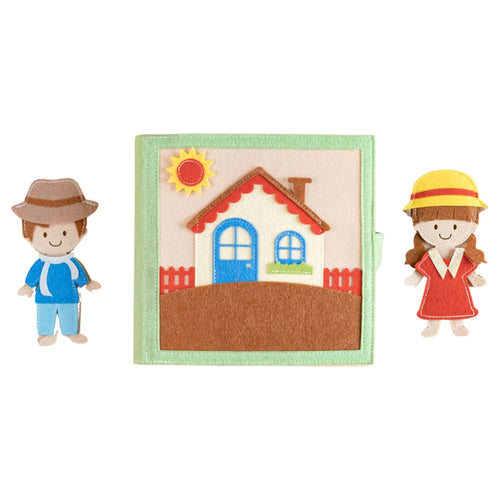
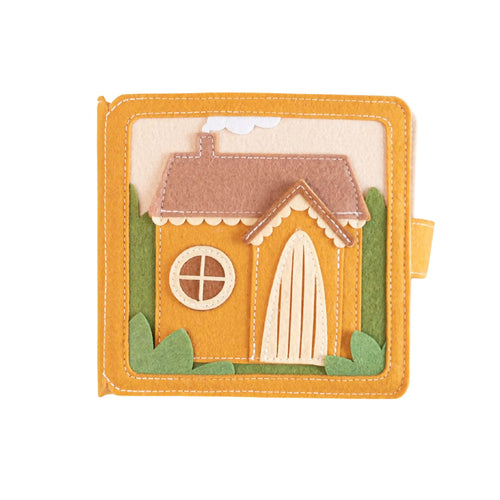
- 18 months–2 years: a busy book for a 2 year old should have chunky, forgiving activities: big buttons, wide zippers, shape-matching with generous pieces — like the Mini Quiet Book "My Home" with its familiar everyday scenes.
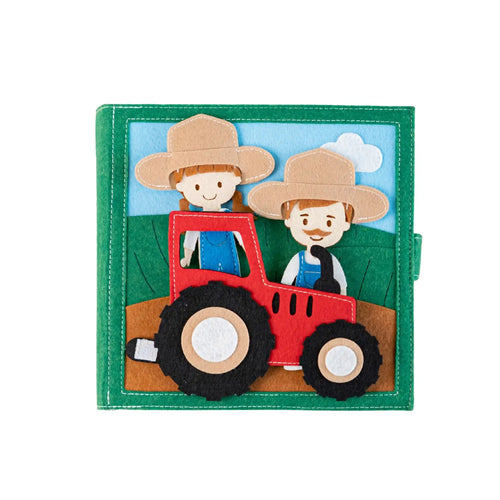
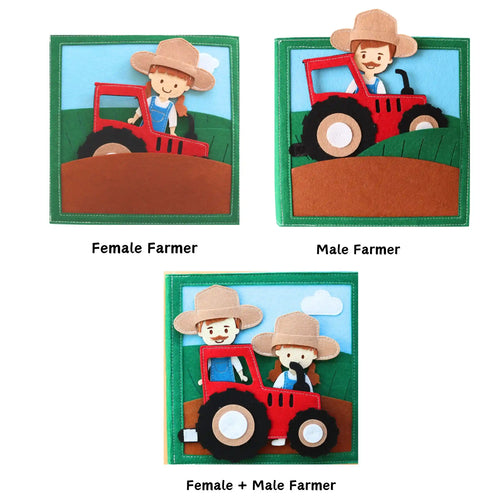
- 2–5 years: full activity pages — braiding, buckles, counting, role-play scenes. This is the sweet spot where a quality felt busy book gets used daily: think the farm quiet book with its Montessori-inspired tasks, the sea animals quiet book, or the professions quiet book for little role-players.
How to choose a quality felt busy book
- Materials and stitching: look for dense felt and sewn (not glued) elements. Glued pieces are the #1 failure point in cheap busy books.
- Safety: check for certified child-safe materials (our books are EN71-tested) and age-appropriate part sizes.
- Real activities, not decoration: every page should ask your child to do something, not just look at it.
- A theme your child loves: farm animals, sea creatures, daily routines, professions — interest drives repetition, and repetition drives skills.
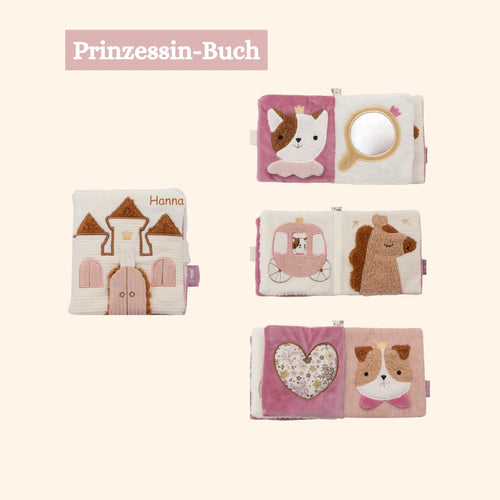
- Personalization: a name embroidered on the cover turns a toy into a keepsake — and makes it a standout personalized birthday gift or baby shower gift.
Handmade busy books from Habi Kids
Every Habi Kids quiet book is handmade from soft felt, personalizable with your child's name, and built around Montessori-inspired activities. Explore our quiet books and busy books for toddlers (ages 2–5), or the compact mini busy books — made for small hands and diaper-bag-sized for travel.
Busy book FAQ
What's the difference between a busy book and a quiet book?
They're the same thing — "quiet book" emphasizes the silent, focused play; "busy book" emphasizes keeping little hands busy. Both mean a fabric activity book for babies and toddlers.
Are busy books Montessori?
Busy books fit Montessori principles when their activities mirror real life (buttoning, buckling, sorting) and let the child work independently. That's exactly how ours are designed.
What age should a child start with a busy book?
From about 6 months with simple baby activity pages; classic busy books shine from about age 2 to 5. See our guide on what a quiet book is for more detail.
Why choose felt over paper activity books?
Felt survives toddlers: it's washable, tear-proof, quiet, and the elements are three-dimensional — children manipulate real zippers and buttons instead of stickers.
The short version: a good busy book is the rare toy that's quiet, portable, screen-free, and genuinely educational. Choose sewn felt, real activities, a theme your child loves — and add their name to make it theirs.