




Montessori Gift for 1st Birthday
Share
The first birthday is a special moment – and often the point where well-intentioned gifts quickly become loud, flashing, or forgotten after just a few days. Those looking for a Montessori gift for a 1st birthday usually want something different: a gift that truly engages a child, supports their development, and fits meaningfully into family life.
That's precisely the appeal of Montessori-inspired gifts. They don't just aim to entertain, but to help a child become active independently. Feeling with hands, opening and closing things, sorting, pulling, inserting, comparing – these are the small actions that suddenly become incredibly exciting around the first birthday.
What makes a Montessori gift for a 1st birthday special
Around twelve months, a lot changes. Many children pull themselves up, take their first steps, point at things, empty and refill containers, and want to try everything themselves. A good gift embraces this phase rather than overwhelming it.
Montessori-oriented toys are therefore often deliberately minimalist. They don't flash, don't provide a flood of stimuli, and don't take away the child's activity. The material invites action. The child pushes, folds, turns, pulls, or sorts independently – and experiences cause and effect directly.
Clarity is also important. A toy with a clear function is often more interesting to a one-year-old than something that can do ten things at once. Fewer functions here don't mean less value, but more concentration. Parents especially appreciate this because calm, purposeful play is often priceless in everyday life.
What you should really pay attention to when buying a gift for one-year-olds
Not every pretty wooden toy is automatically suitable. For the first birthday, the main thing is whether the gift matches the developmental stage. Too complicated quickly leads to frustration. Too simple, on the other hand, can become uninteresting after a few minutes.
A good starting point is the question of what movements the child is currently practicing. Fine motor skills are particularly exciting at this age. Grasping things, lifting tabs, fitting parts together, moving buttons, or feeling surfaces – all this promotes not only dexterity but also perseverance and self-confidence.
Safety is equally important. For one-year-olds, materials should be high-quality, pleasant to hold, and, of course, free of small parts that can be swallowed. Especially with gifts that are handled intensively, put in the mouth, or used daily, it quickly becomes apparent whether they are carefully made.
And then there's a point that is often underestimated: everyday usability. The most beautiful gift is of little help if it's too bulky, only works under supervision, or ends up in a corner after a short time. Gifts that are used repeatedly at home, on the go, or during quiet moments are particularly valuable.
The best ideas for a Montessori gift for a 1st birthday
Play ideas that combine hand movements with small successes are particularly popular. Therefore, stacking games, simple sorting shapes, sensory books, stacking possibilities, or activity books are often an excellent choice at this age.
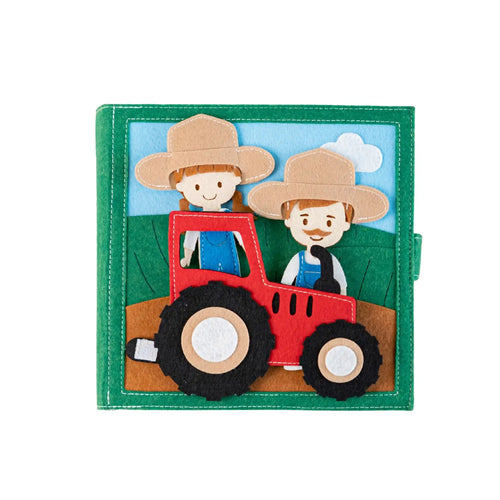
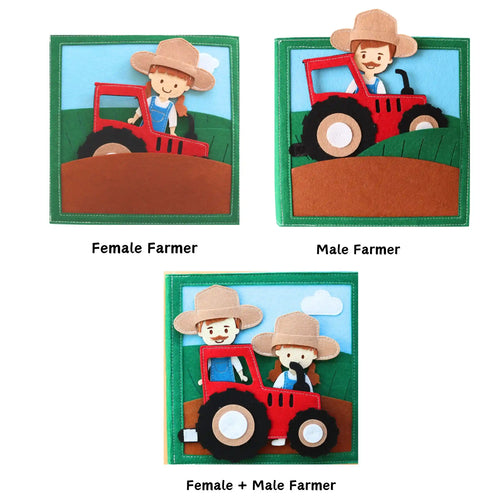
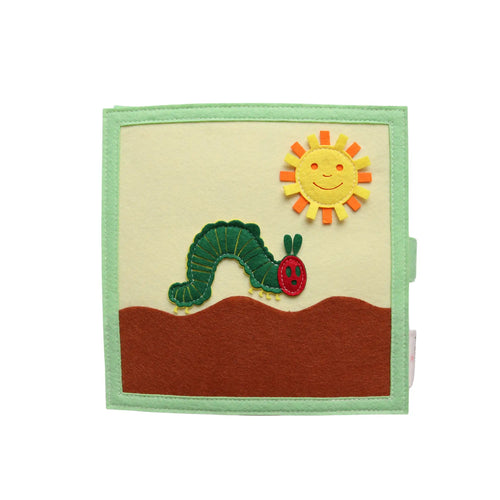
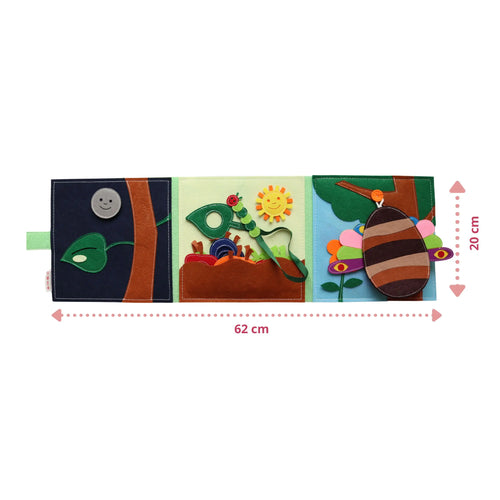
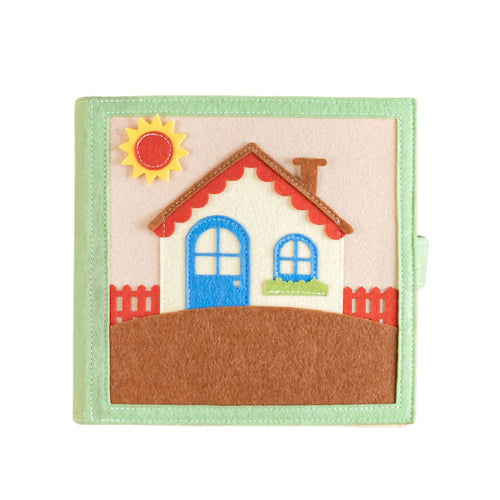
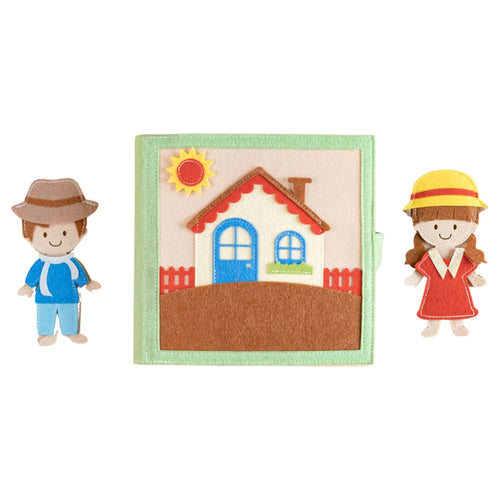
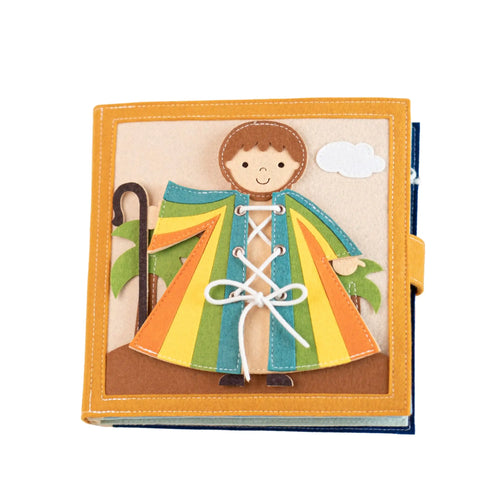
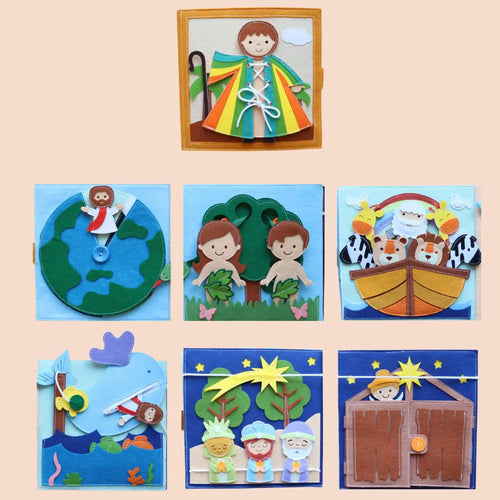
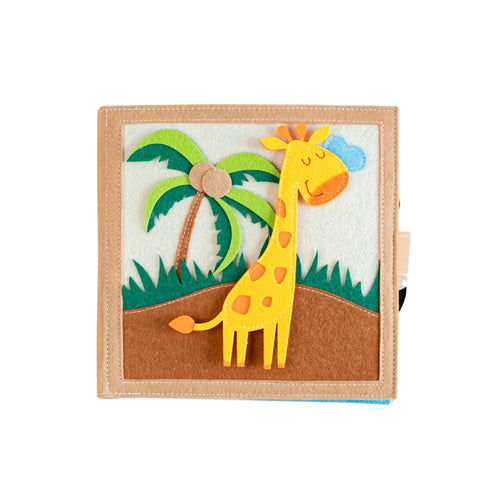
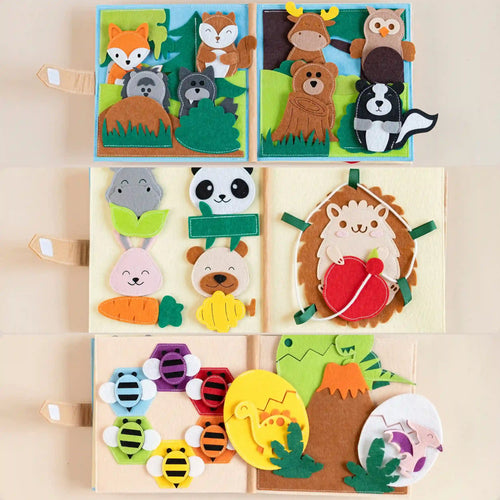
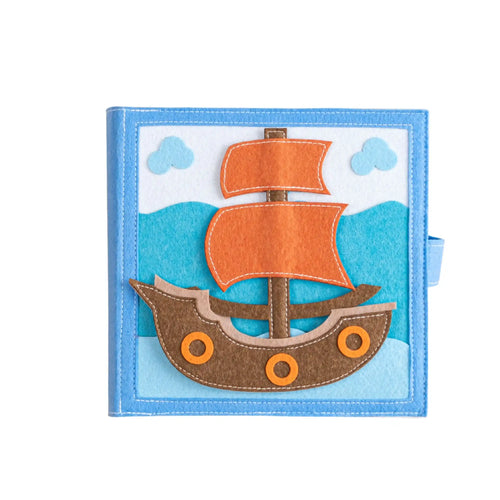
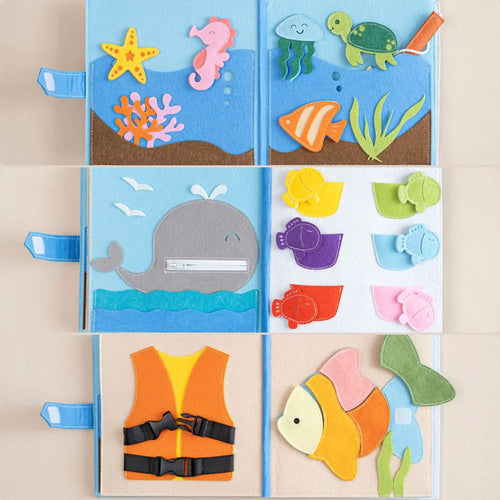
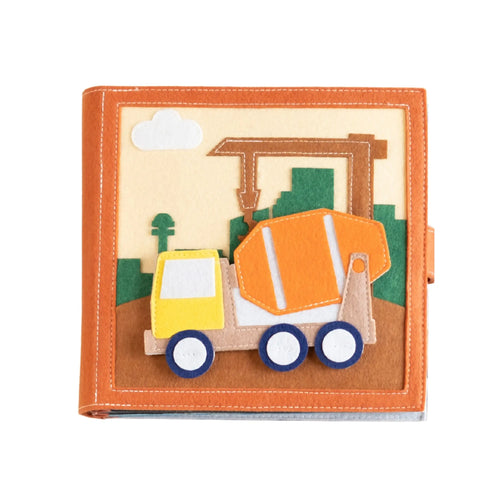
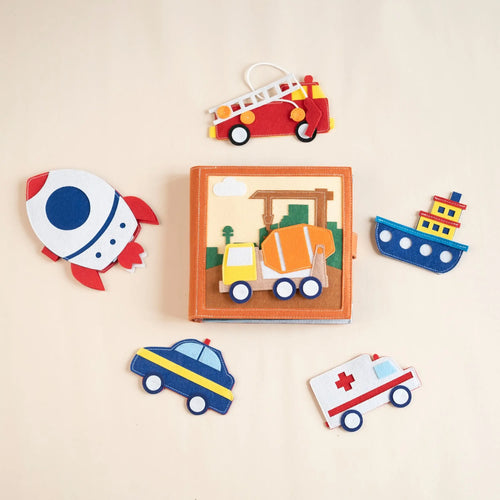
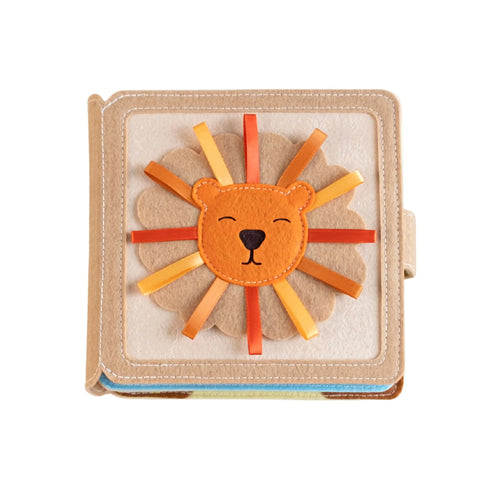
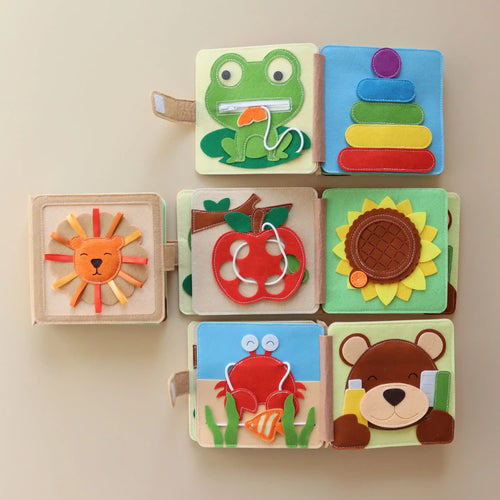
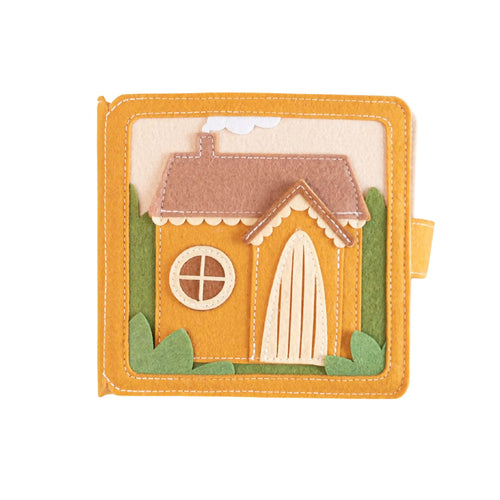
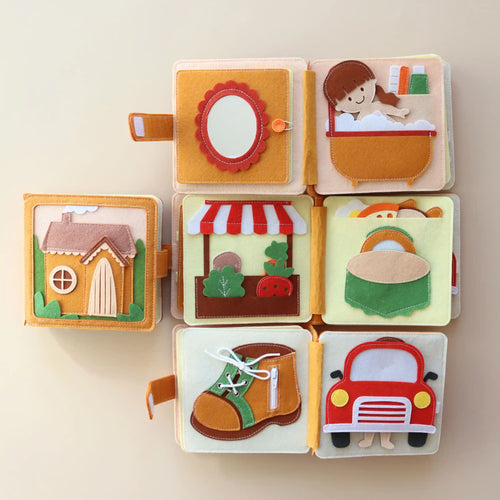
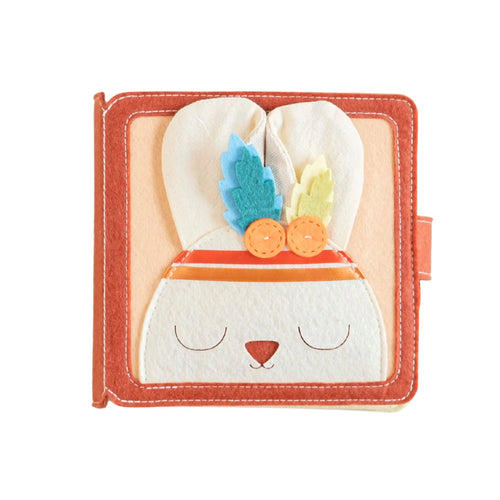
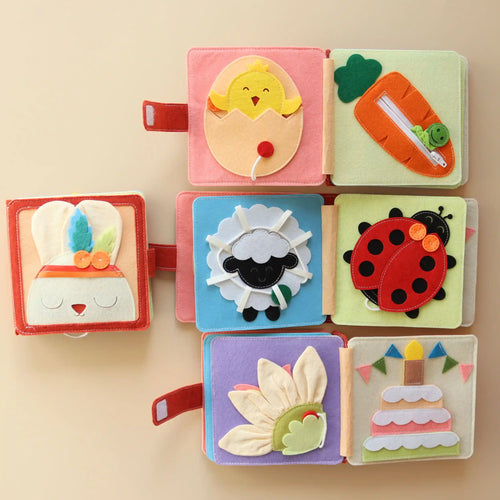
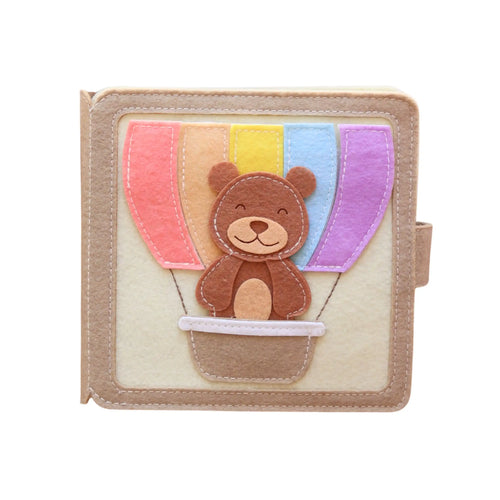
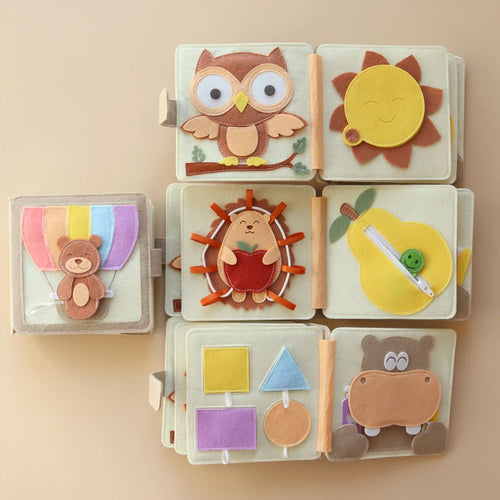
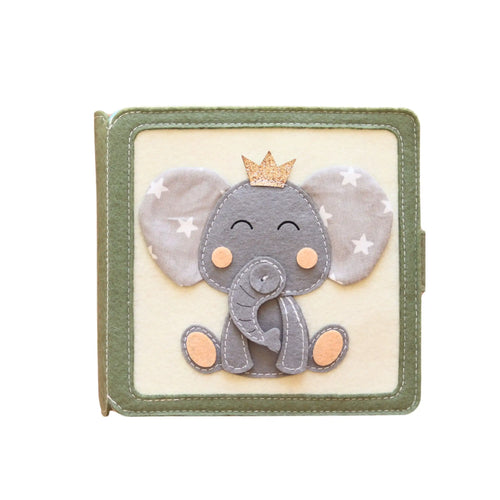
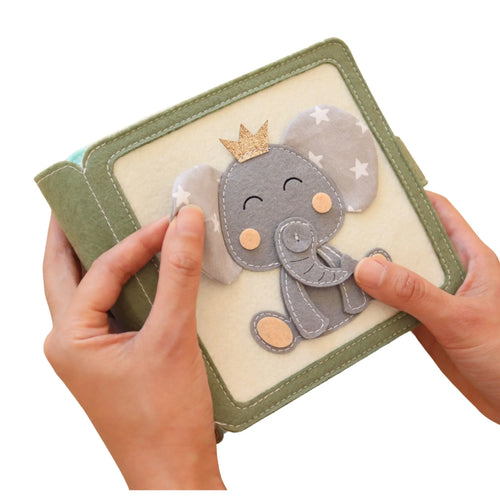
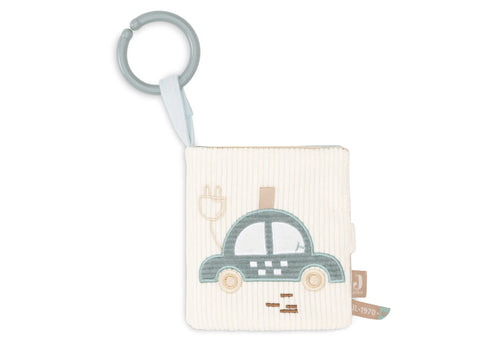
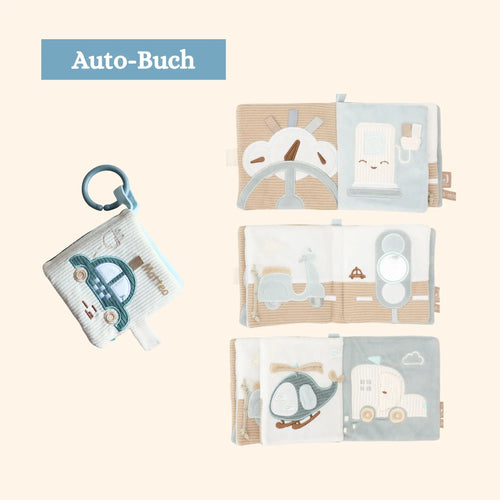
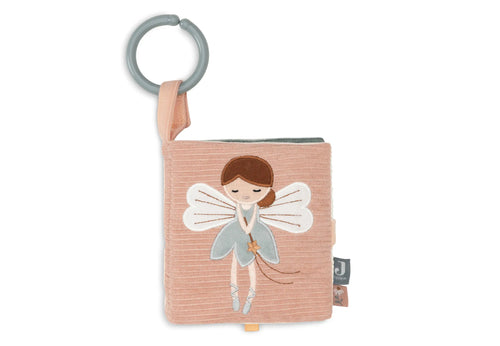
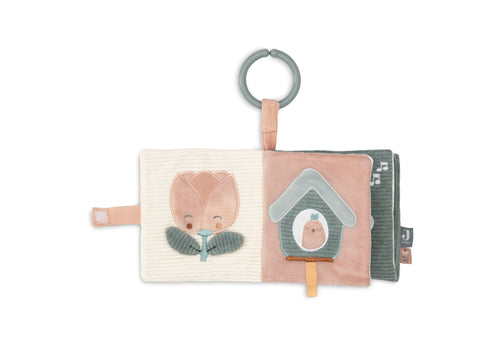
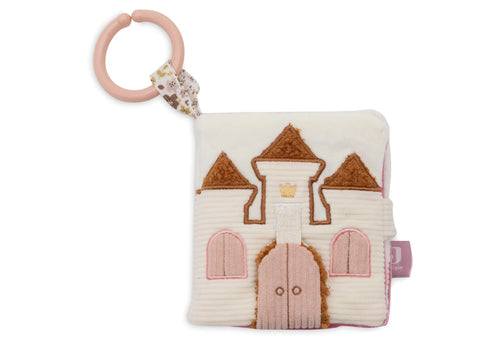
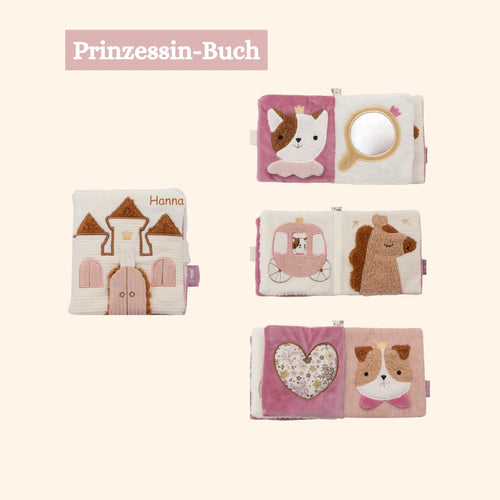
A high-quality Activity Book or Quiet Book is particularly suitable if you are looking for something soft, versatile, and quiet. Children can play with zippers, flaps, loops, buttons, or various surfaces, thereby subtly training their fine motor skills and concentration. For many families, this is especially attractive because it works without screens, without noise, and without overstimulation.
Simple object games are also useful. Anything a child can open, take out, put back in, or sort strongly corresponds to the natural urge to explore at this age. The gift doesn't have to be spectacular. Often, it's precisely the quiet play ideas that remain interesting for a long time.
Stacking and sorting toys can also be suitable if the size, weight, and complexity are right. One-year-olds learn a lot about shapes, balance, and sequence here. The added value comes not from perfection, but from repetition. If a child puts on and takes off the same ring ten times, that's no coincidence, but concentrated learning.
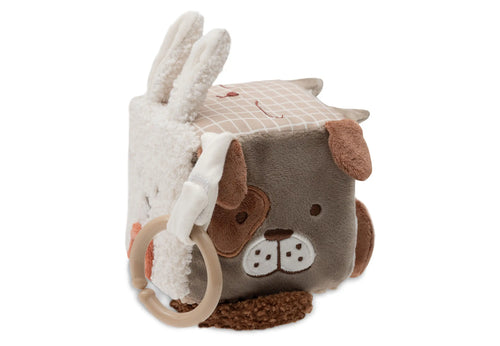
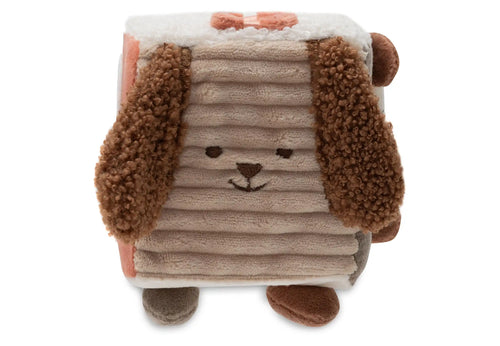
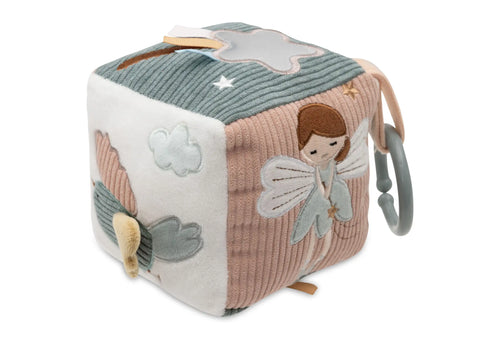
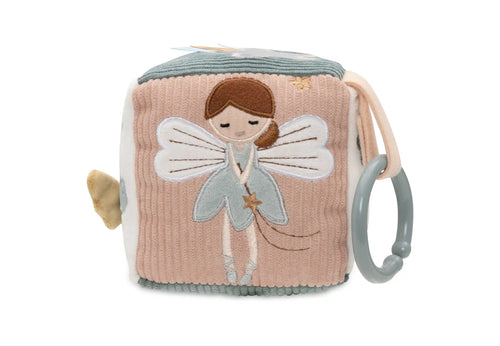
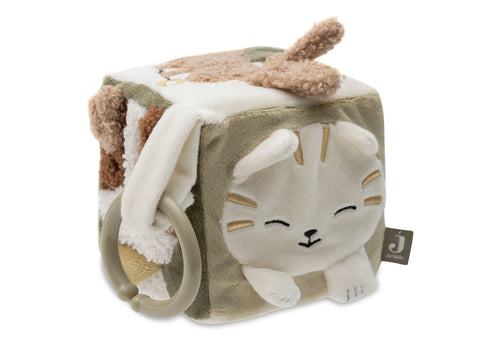
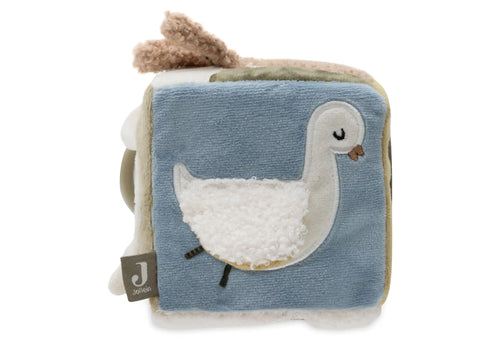
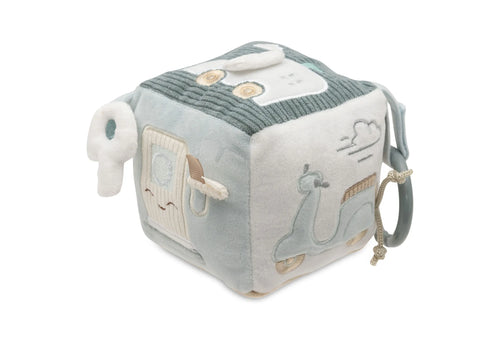
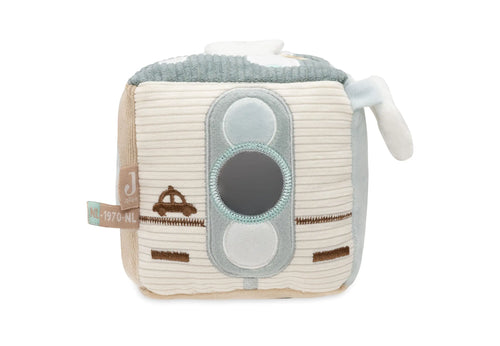
Sensory gifts are also a nice option. Different fabrics, surfaces, and tactile elements stimulate the senses and invite exploration. Soft, handy materials often appear more accessible than rigid toys, especially for children who enjoy exploring with their hands.
Why quiet gifts are often the better choice
For a first birthday, people often like to give something that makes an impression at first glance. Music, lights, many colors, many buttons. The problem is: such toys often only engage a child superficially. The child presses, the toy reacts. Independent activity is quickly replaced rather than encouraged.
A Montessori gift for a 1st birthday places a different emphasis. It trusts that children are curious by nature. They don't constantly need new effects, but materials with which they can discover something themselves. This may seem simpler at first, but it is often much more sustainable.
For parents, this is also an emotional difference. A quiet gift often creates calmer play moments, more concentration, and less overstimulation. Especially in families who consciously value quality, aesthetics, and developmentally appropriate play, this feels not like a sacrifice, but like genuine relief.
Which gift suits which child best
Not every child plays the same way, and that's precisely why it's worth taking a closer look. A very active child often benefits from gifts where they can constantly do something with their hands – pull, open, release, close again. A more observant child might like materials they can explore in peace, with clear colors and manageable stimuli.
If you are giving a gift as grandparents, godmother, or family friend, versatility is particularly helpful. A gift that is not just for a short developmental step but remains interesting for months is usually used much more frequently. Activity books are strong here because children discover new details as they get older.
The family's lifestyle also plays a role. For families who are often on the go, travel, or want to bridge restaurant and visiting situations, compact, quiet, and portable gifts are particularly practical. A gift can look nice – but it should also work in real life.
What is generally not a good idea
Gifts with very garish stimuli, complicated rules, or too many loose parts are often less suitable for a first birthday. This also applies to toys that supposedly grow with the child for several years but are hardly useful for one-year-olds. Then the gift often ends up in the closet for a while.
Products that look decorative but allow little interaction also often miss what Montessori-inspired gifts are really about. It's not about a toy looking natural, but about enabling the child to engage in genuine, independent activity.
Another mistake is choosing too much from an adult's perspective. What seems particularly original, trendy, or photogenic is not always what a one-year-old child really enjoys playing with. A gift that is based on development rather than gift trends is better.
Quality is worth it, especially for the first birthday
For many families, the first birthday is an occasion to give something truly special. That's why it's worth paying attention to workmanship, material quality, and design. A high-quality gift not only feels nicer but usually also lasts longer and accompanies the child through many play moments.
Handmade or carefully designed products often have a noticeable advantage: details are well thought out, materials feel valuable, and the gift has a certain calmness in its design. This suits families who prefer to choose consciously rather than quickly buying just anything.
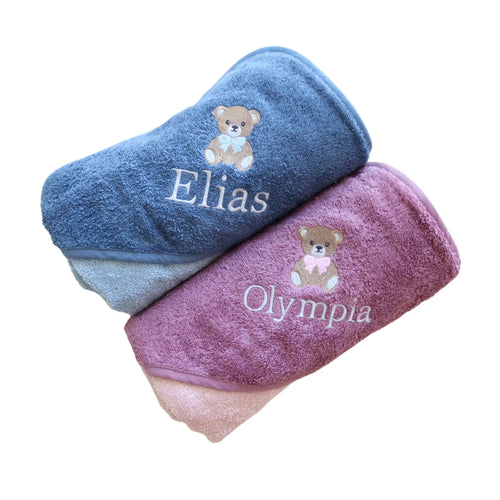
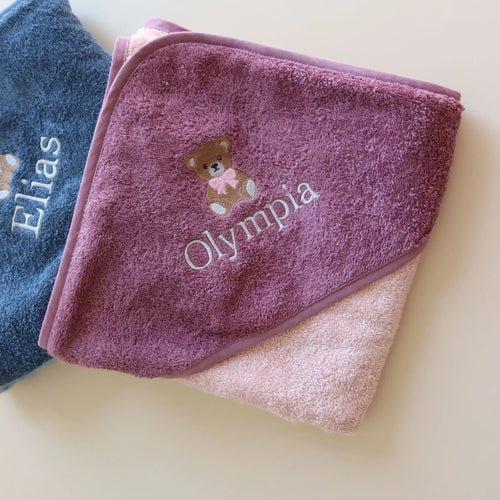
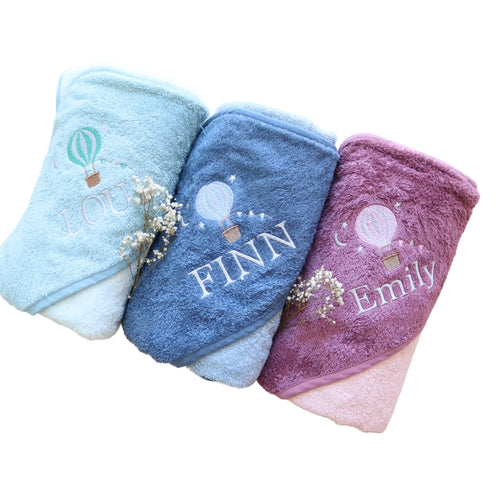
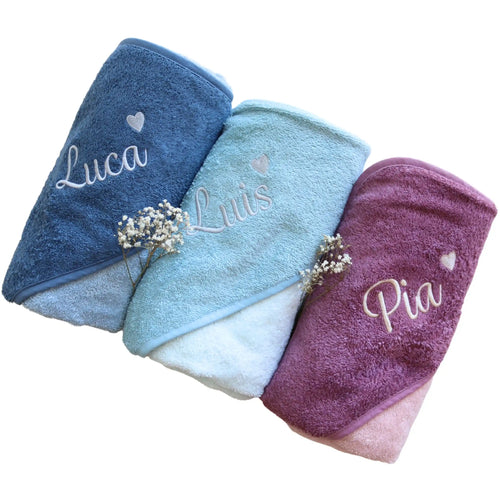
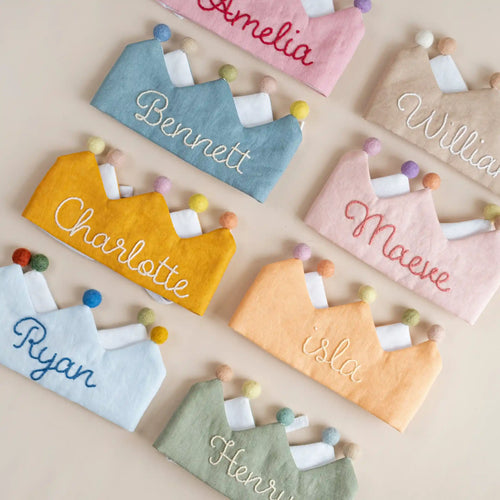
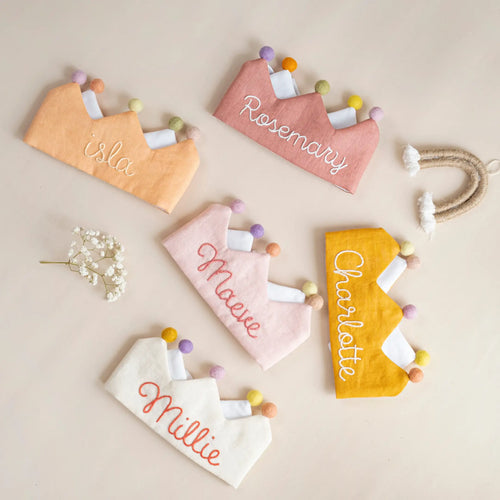
If a gift is also personalized or particularly lovingly designed, it gains emotionally. It shows that something was not just ordered, but that someone put thought into it. Especially for the first birthday, this is remembered.
At Habi Kids, this interplay of craftsmanship, meaningful activity, and thoughtful gifting is central – and that meets the desire of many families for a gift that touches both the heart and everyday life.
The best question before buying
If you're unsure, a simple question helps: What can this child do with the gift themselves? Not what they can look at, listen to, or marvel at – but what they discover with their own hands. If there's a clear answer to that, you're usually very close to a good choice.
A successful gift for a first birthday doesn't have to be big, loud, or spectacular. It can be gentle, beautifully crafted, and full of small possibilities. Such gifts often accompany children the longest – because they not only mark the birthday but also the developmental phase behind it.