

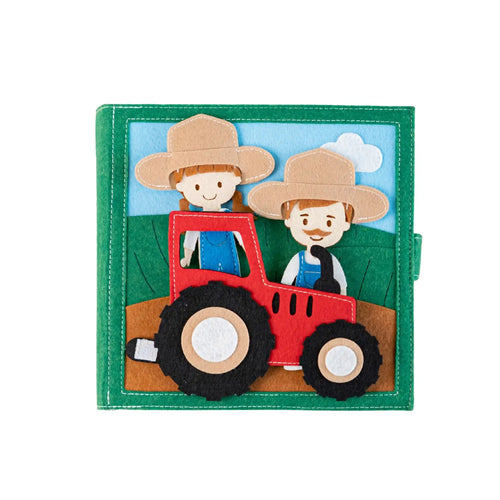
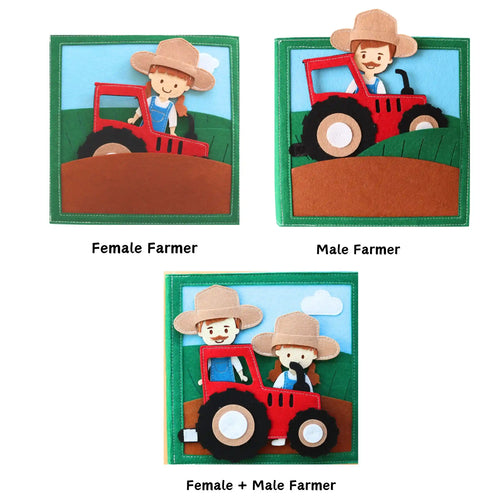
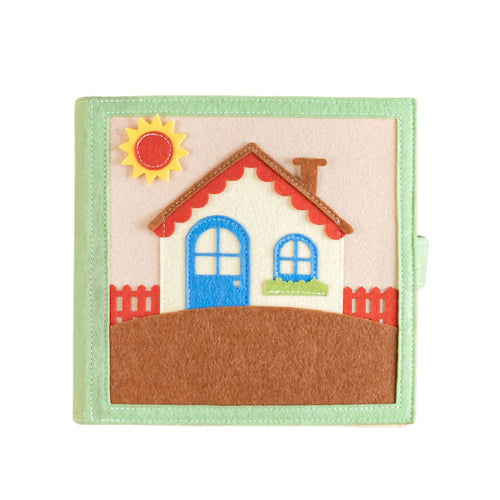
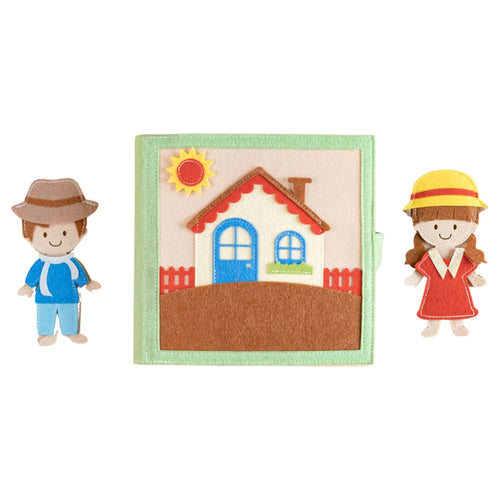
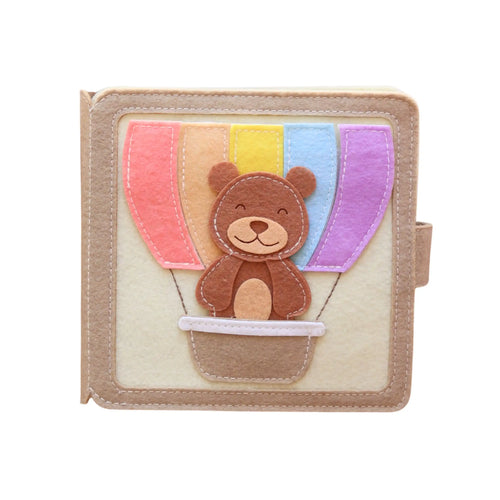
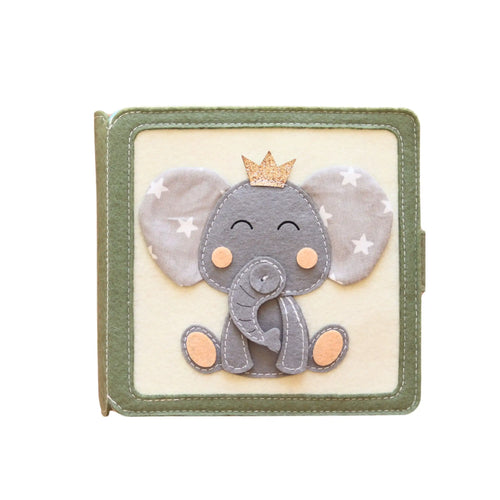


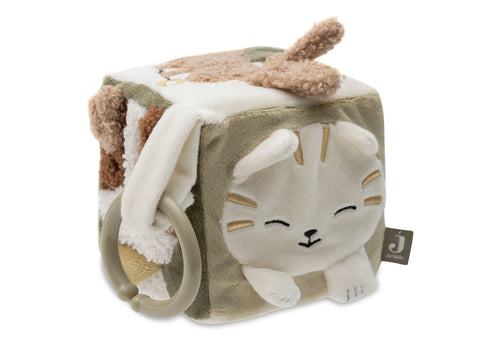
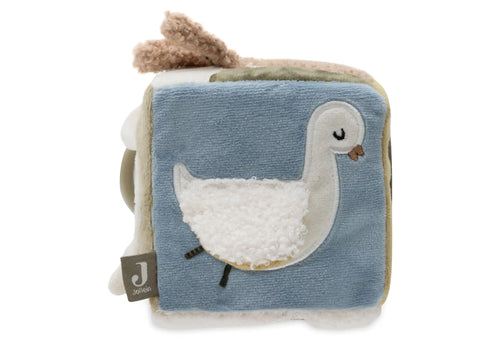
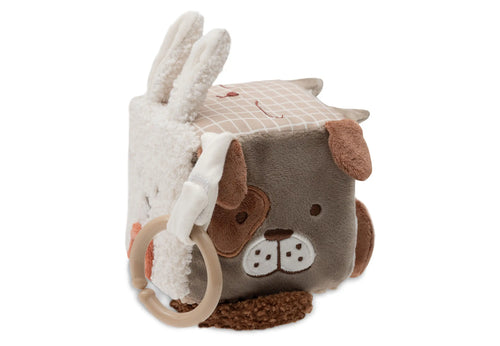
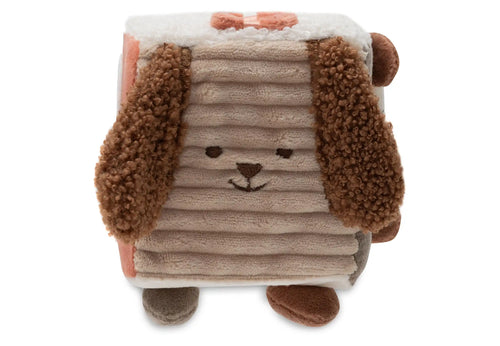

Quiet Book Baby - Meaningful Play from the Start
Share
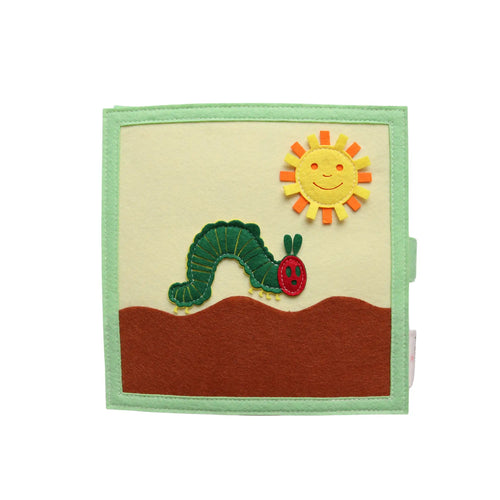
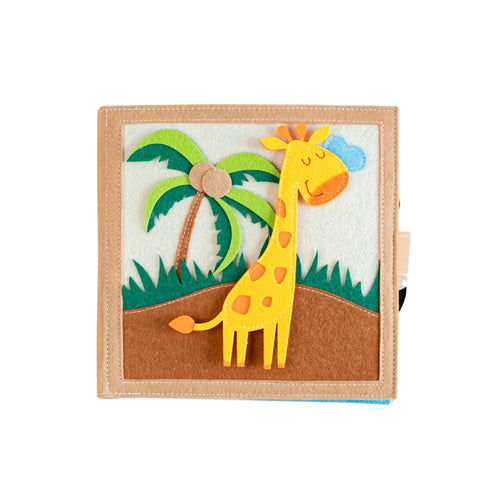
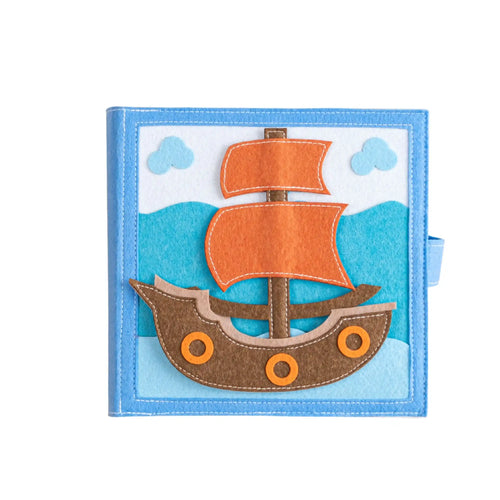
Sometimes you notice after just a few minutes whether a toy really suits a baby. It's not frantically shaken, not thrown away after a short time, and not just admired. Instead, little hands reach for it again and again, feeling, pulling, opening, and exploring. That's why a Quiet Book Baby is so interesting for many families: it combines calm play with real development – in a way that neither overstimulates nor overwhelms babies.
A quiet fabric book sounds simple at first. In practice, it is often much more than that. For babies, entertainment at any cost is not what matters, but rather a material that feels good, is safe, and appeals to their natural curiosity. When a page crinkles, a flap can be moved, or different surfaces invite touching, it creates engagement that stays close to the real needs of the first months of life.
What makes a Quiet Book Baby so special
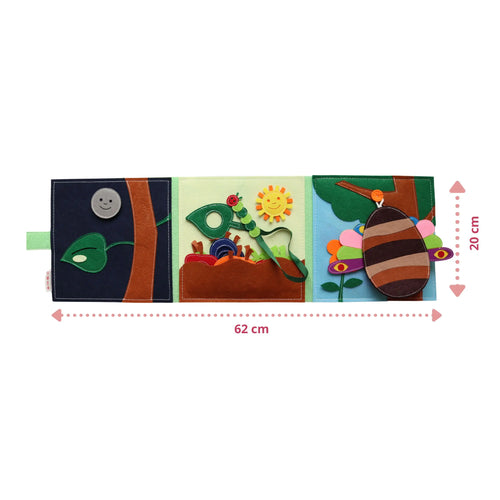
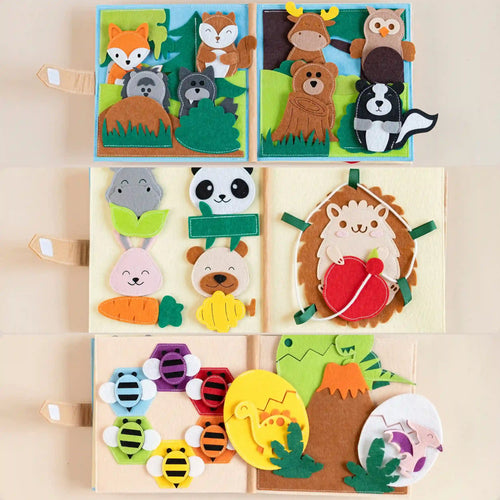
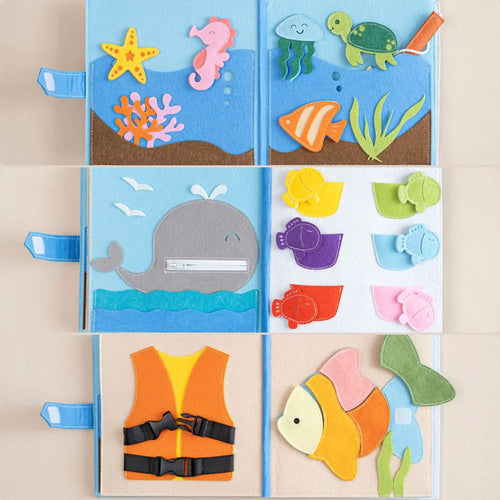
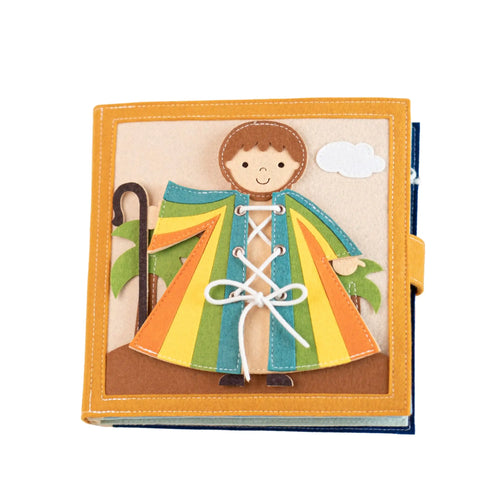
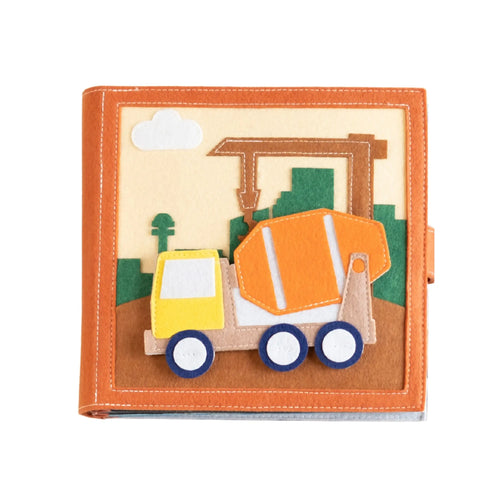
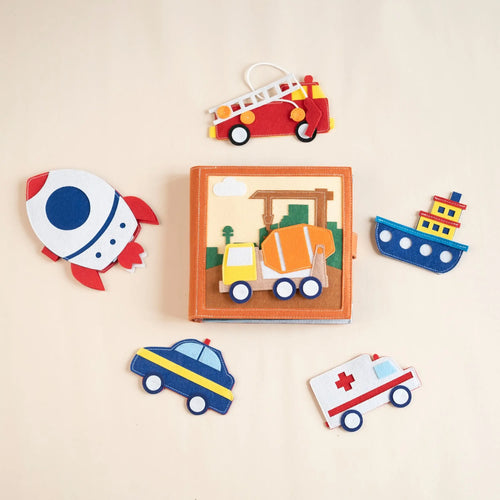
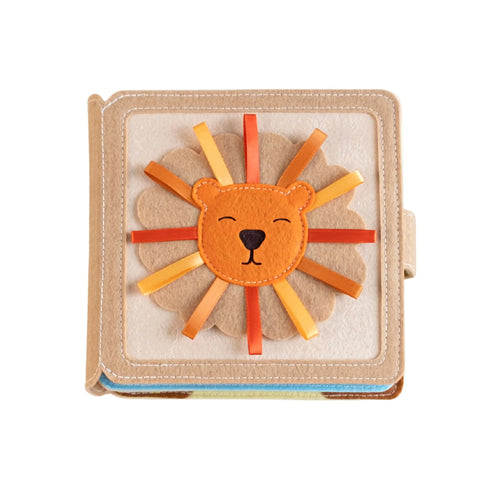
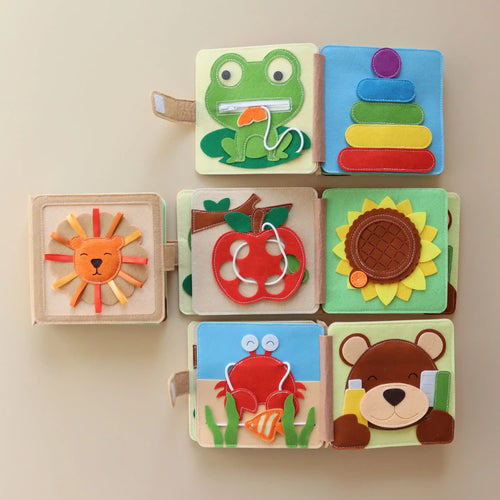
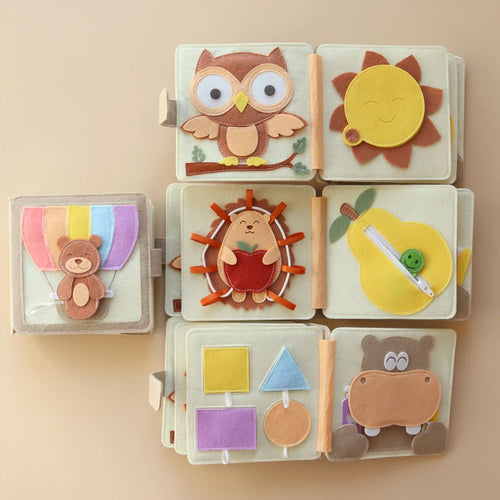
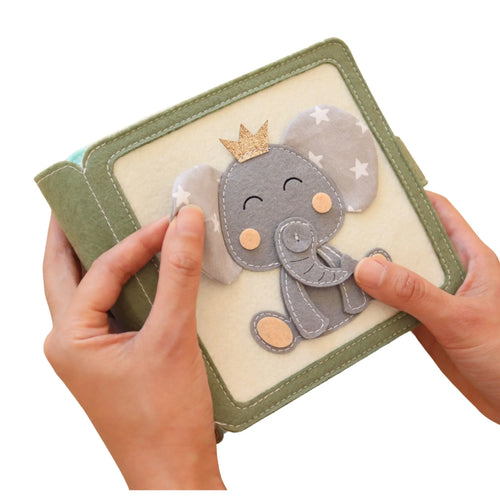
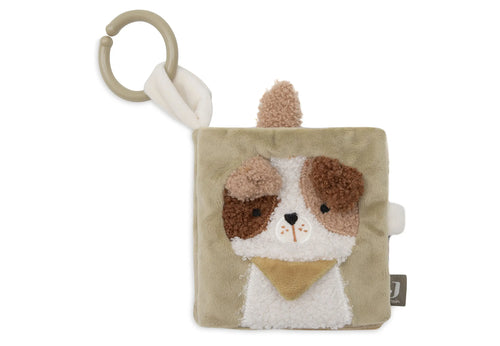
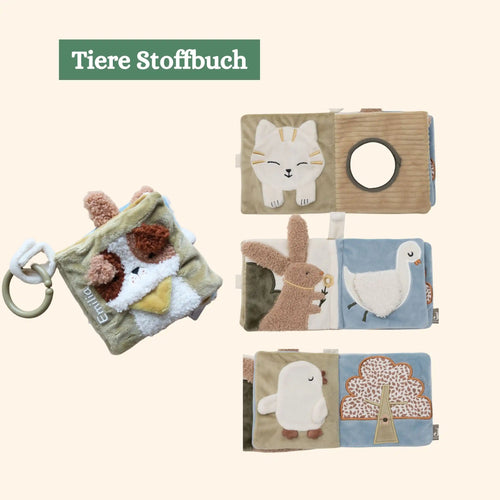
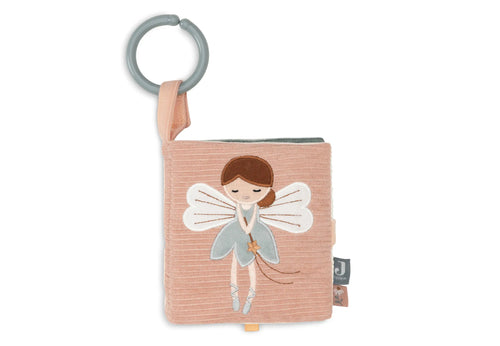
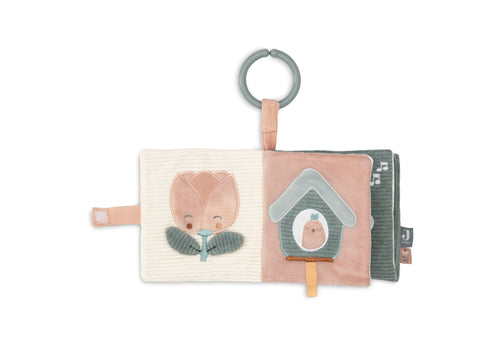
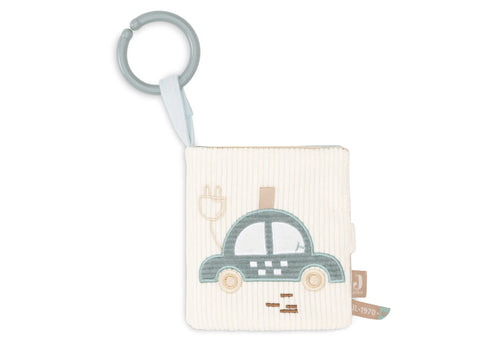
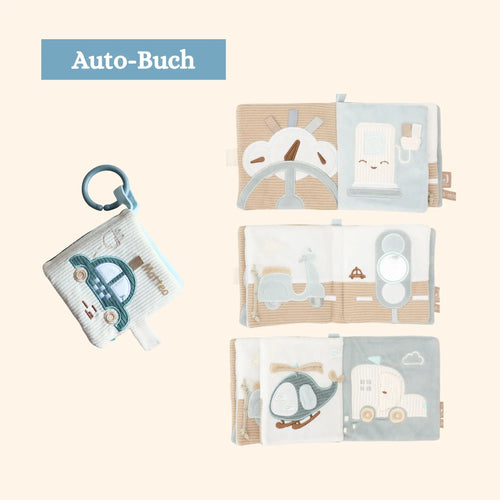
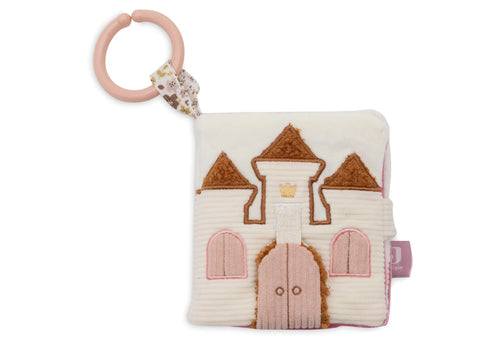
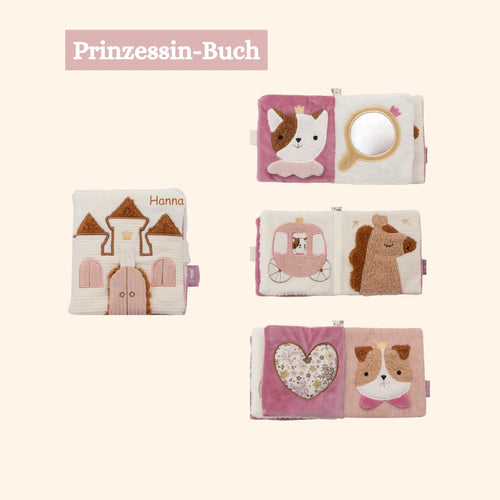
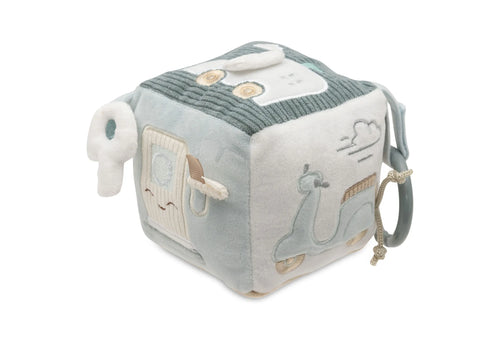
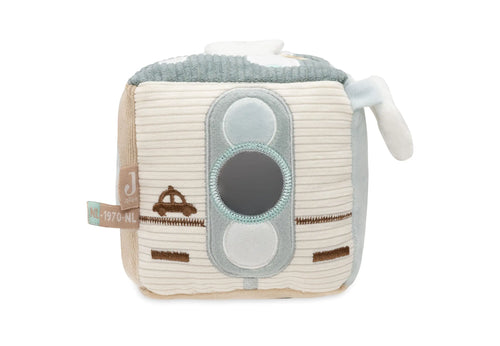
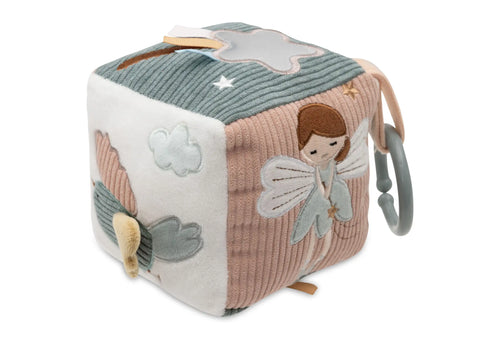
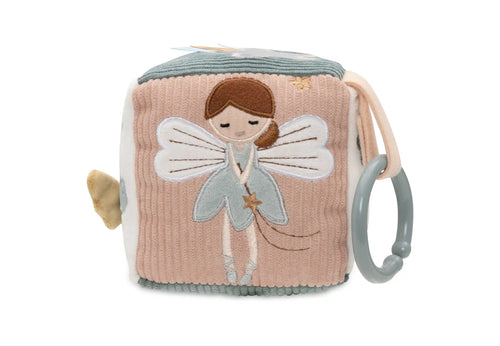
A Quiet Book for babies is neither an ordinary picture book nor a noisy activity toy. It is a soft activity book, usually made of fabric or felt, with simple interactive elements. For the youngest children, the focus is not on complex tasks, but on the first literal understanding.
Babies learn through their hands, eyes, and repetition. They want to touch something, move it again, and test the same action many times. A well-made Quiet Book takes up precisely this learning behavior. It offers small stimuli, but not an overload of stimuli. This makes it particularly valuable for quiet play moments at home, on the go in the stroller, or later in restaurants, while traveling, or in waiting rooms.
The great advantage lies in the balance. A Quiet Book Baby is engaging enough to captivate, and at the same time calm enough to promote concentration. Especially parents who are consciously looking for screen-free and low-noise alternatives highly value this combination.
From what age is a Quiet Book Baby useful?
This question strongly depends on how the book is constructed. For very young babies from about 3 months, particularly simple variations with soft pages, clear shapes, high-contrast details, and easily graspable elements are suitable. At this age, it's not yet about solving tasks. It's about feeling, looking, and the first purposeful grasping.
Between 6 and 12 months, books that allow a little more interaction become interesting. Lifting a flap, feeling a ribbon, or holding a part with the fingers – such small actions train coordination and attention. It is always important that the elements are age-appropriate in size, soft, and safely manufactured.
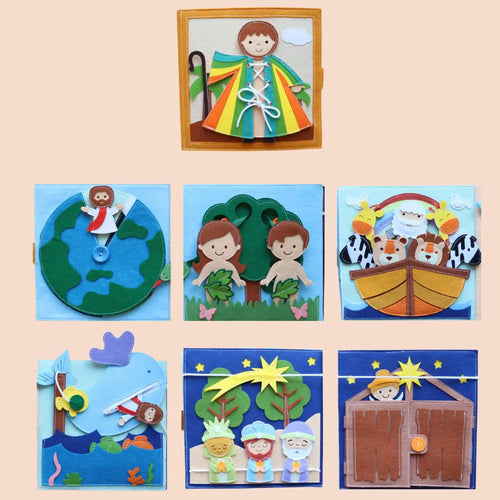
As children get older, Quiet Books can become more complex. Then simple matching games, fasteners, shapes, or everyday themes are added. For a baby, however, the introduction should remain easy. Too many details can distract rather than encourage. Less is often more here.
What development a Quiet Book supports
The greatest value of a Quiet Book lies not in a single learning effect, but in the combination of many small developmental steps. When a baby pulls a felt flap or examines a textured surface, more happens than meets the eye at first glance.
Fine motor skills are addressed because fingers and hands are used purposefully. Hand-eye coordination improves when the baby plans and executes a movement. At the same time, sensory experience grows: soft, smooth, firm, movable – all these differences help to categorize the environment.
Concentration also doesn't just appear suddenly, but in short, quiet moments. A Quiet Book creates exactly such moments. Babies stay focused on one thing, try things out, and experience small successes. This experience is particularly valuable because it doesn't rely on loud reward systems. The child discovers on their own initiative – and that fits well with a Montessori-inspired understanding of learning.
In addition, there is an emotional aspect. Many babies react positively to recurring rituals. If the book is always used in the stroller, before a nap, or on the go, for example, it gains a familiar place in everyday life. Familiarity provides security, and security makes one curious.
What parents should look for in a Quiet Book for babies
Not every activity book is automatically suitable for babies. Especially with the youngest ones, quality determines the difference between a nice idea and a truly useful everyday companion.
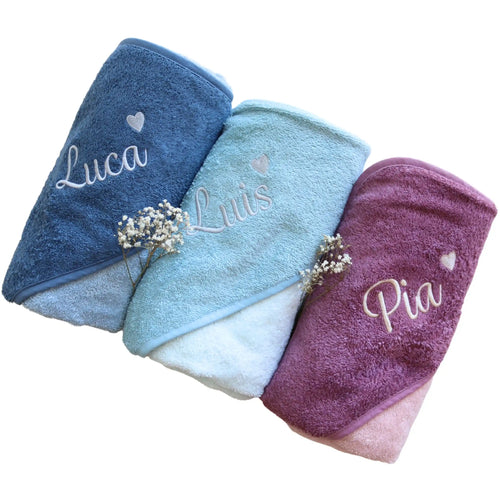
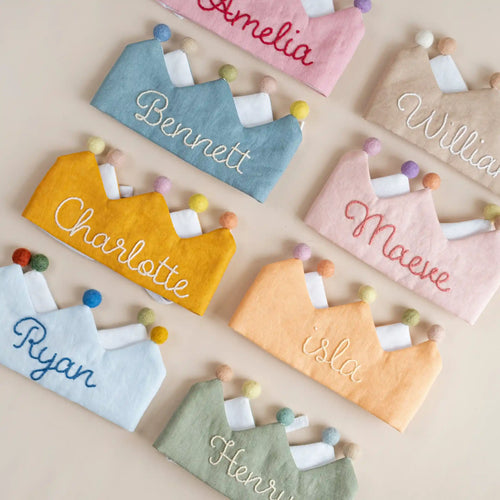
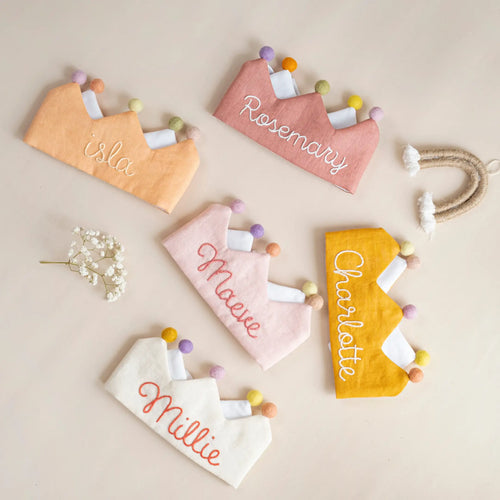
Quiet books, activity cubes, hooded towels — all with a name
Sign up and we’ll personalize your child’s Quiet Book, Activity Cube, or Hooded Towel with their name for free!
You're in!
Thanks for signing up.
Free personalization
Sign up and we'll put your child's name on their quiet book or activity cube for free!
You can unsubscribe at any time.
Welcome to Habi Kids!
Thanks for signing up! If you're new, you'll find your voucher code in your inbox shortly.
- Choosing a selection results in a full page refresh.
- Opens in a new window.