




How do I keep my baby entertained on the go?
Share
The moment often comes faster than expected: the baby is fed, the changing bag is packed, everything could be relaxed – and then the mood sours, precisely in the car, in the cafe, or in the checkout line. Those wondering how to entertain their baby on the go are rarely looking for more stuff. What they're looking for is something that really works: calm, safe, age-appropriate, and without overstimulating the child.
How do I entertain my baby on the go without overwhelming them?
On the go, a baby doesn't need constant entertainment. This is often the most important relief for parents. Especially small babies process a lot of stimuli on outings anyway – voices, light, movements, new smells. Good entertainment therefore doesn't mean loud, flashing, or constantly new. Good entertainment is manageable, repeatable, and designed so that small hands can be active themselves.
Things that connect to familiar routines work best. A soft book to feel, a teething ring, a cloth to grasp, or a small quiet activity provide orientation. Babies like repetition much more than adults sometimes think. If an object is familiar, more calm is maintained on the go.
However, what is useful largely depends on age. A three-month-old baby needs something different than a ten-month-old. The situation also makes a difference. In the stroller, it can be something to look at and touch, in a restaurant rather something quiet, in the car, above all, something safe that doesn't fall down or distract the driver.
What babies really like on the go
Babies rarely "do something" in the adult sense. They discover material, movement, sounds, and their own actions. That's why simple, tactile toys are often stronger than complex ones. A fabric element that crinkles, a tab to pull, or a surface with a different texture can be exciting for minutes.
Activities that gently stimulate multiple senses without becoming hectic are particularly good. Soft materials, different surfaces, and small motor tasks not only promote attention but also fine motor skills. This is ideal on the go because the play not only distracts but also engages meaningfully.
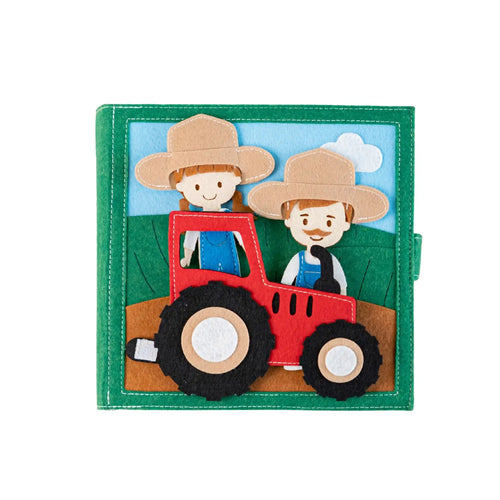
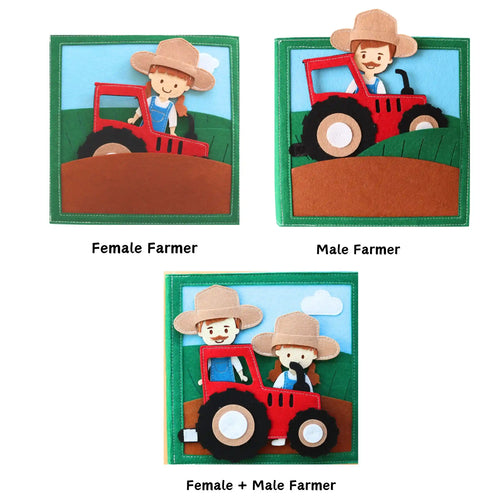
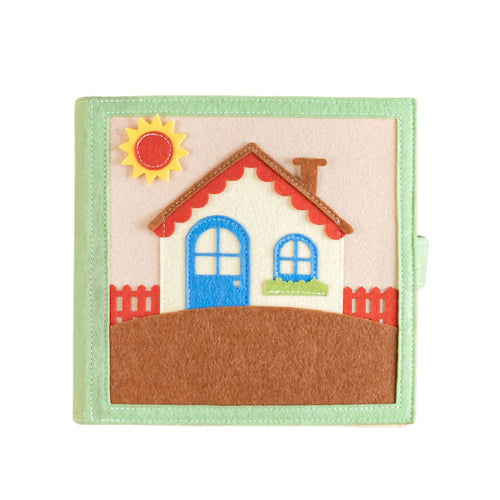
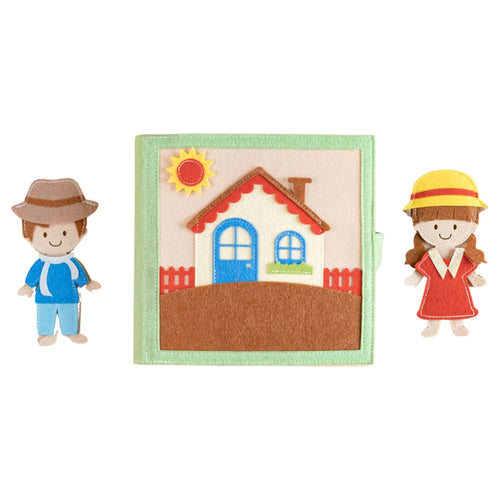
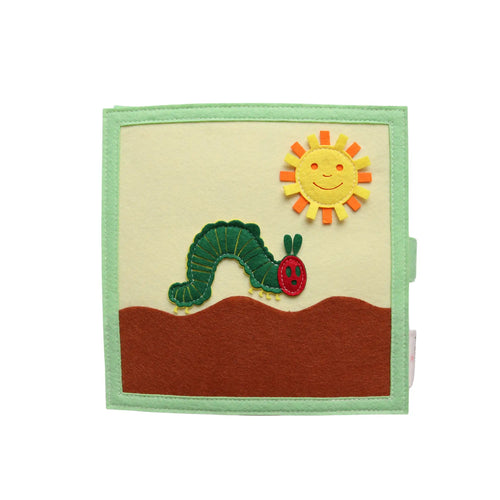
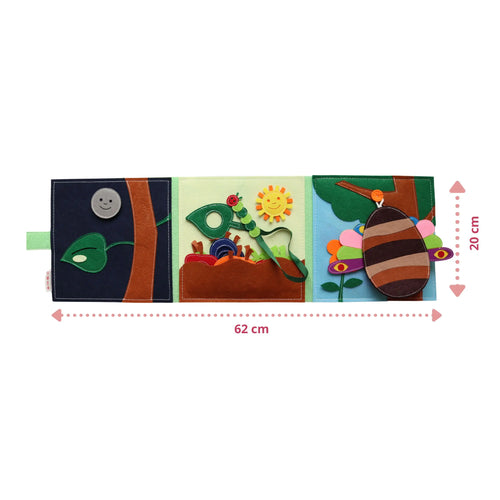
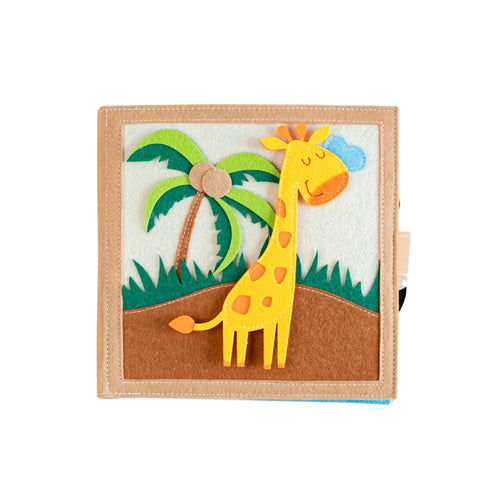
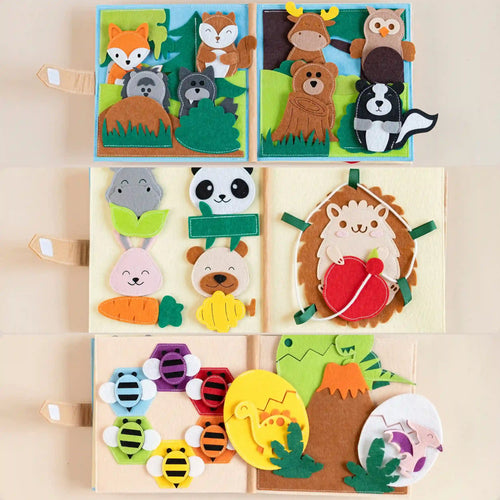
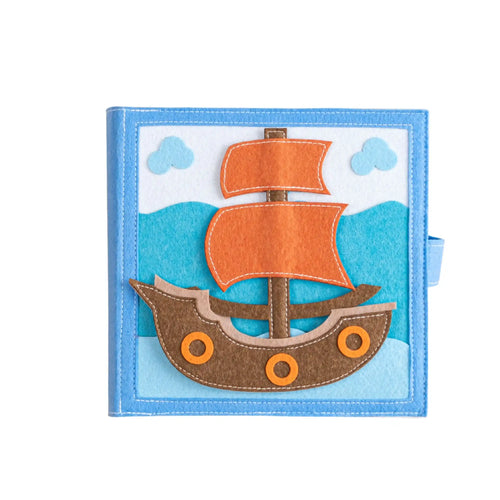
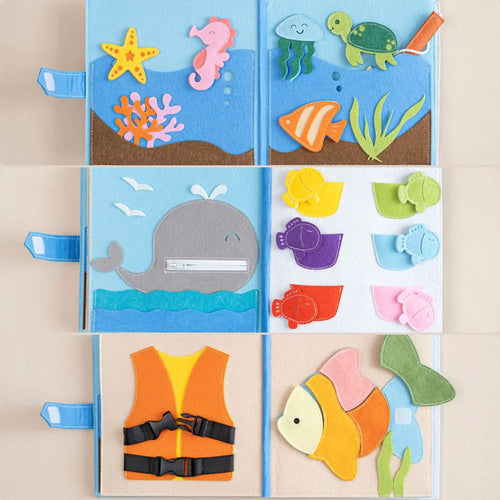
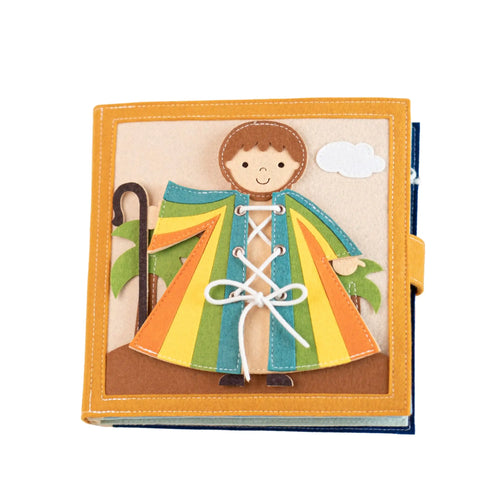
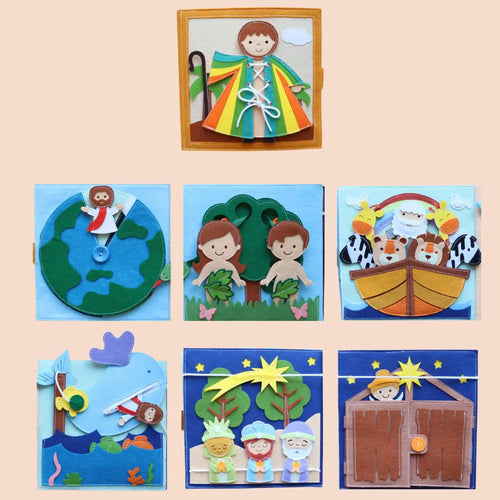
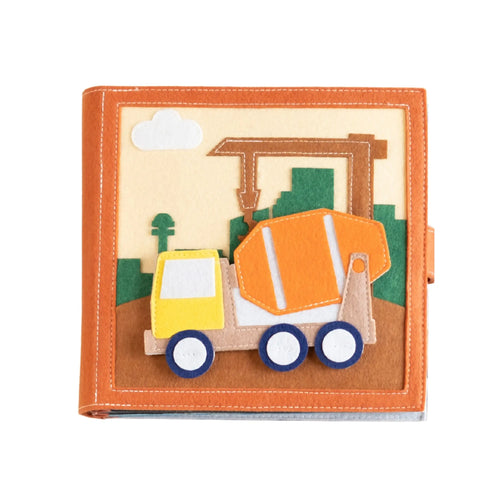
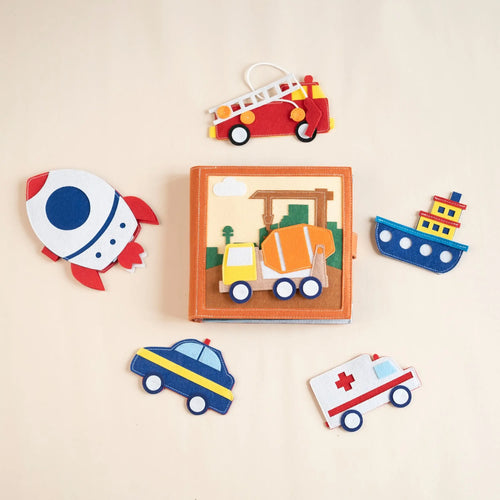
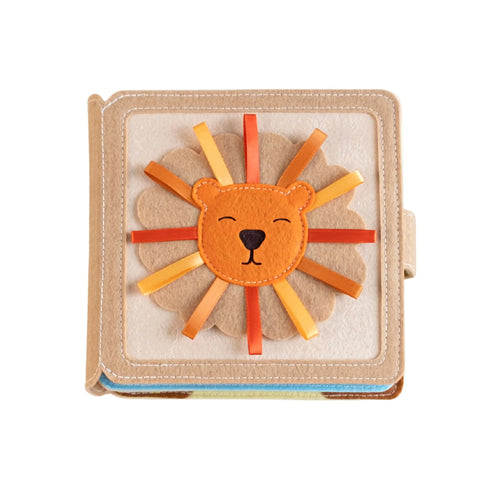
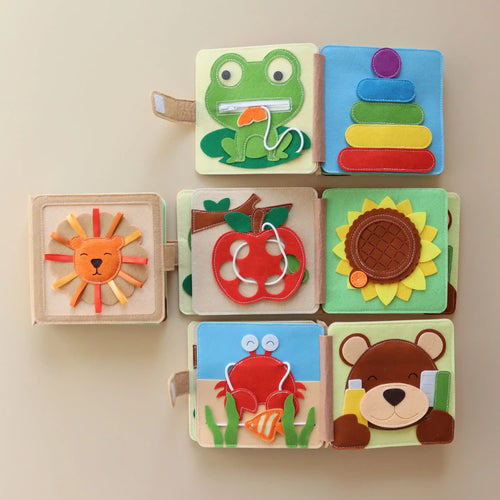
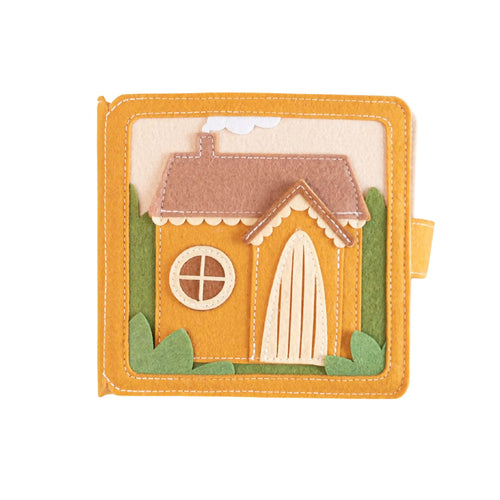
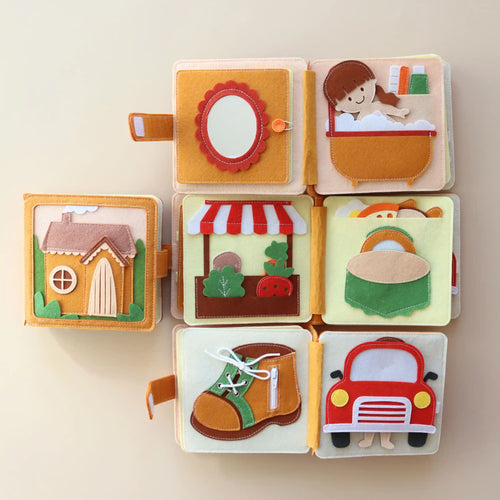
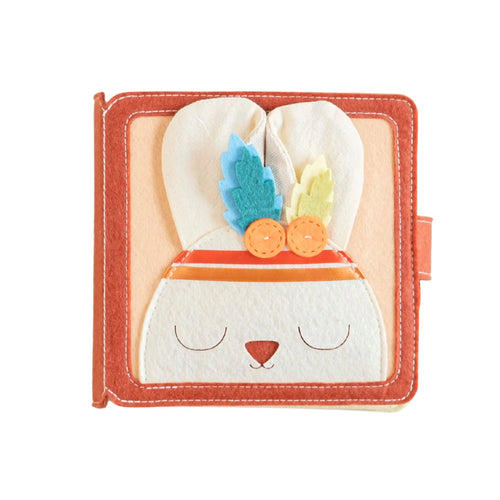
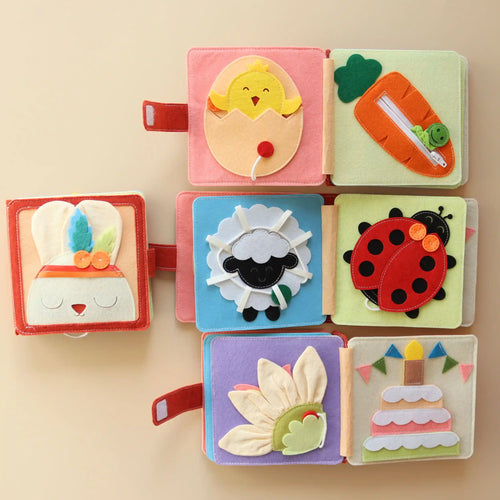
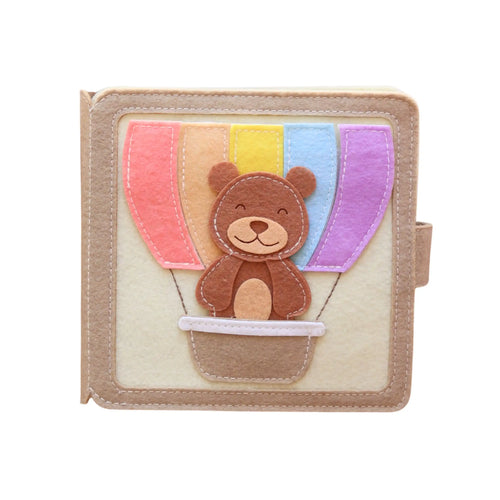
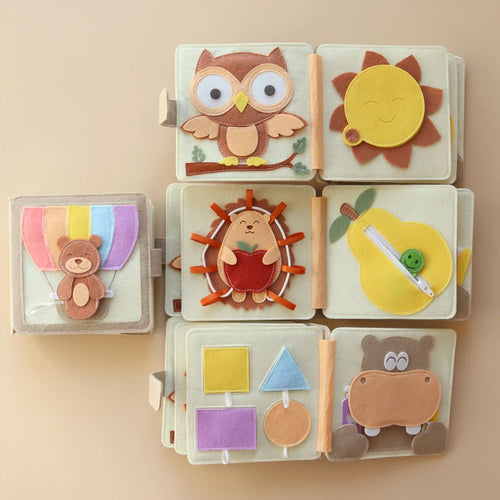
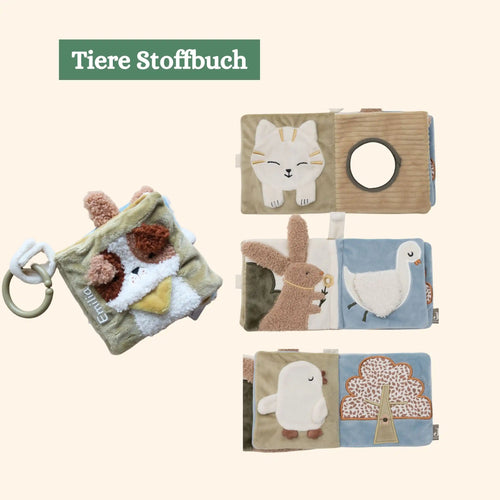
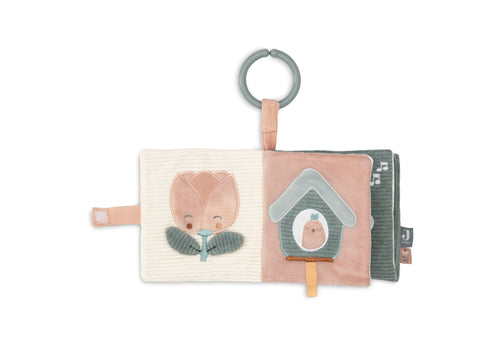
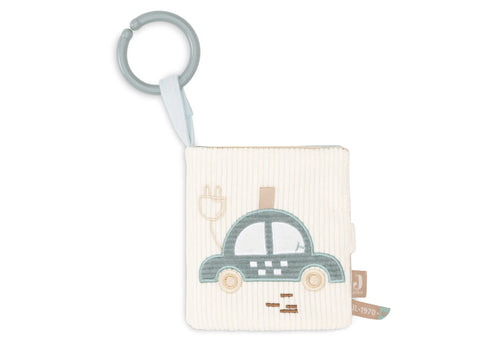
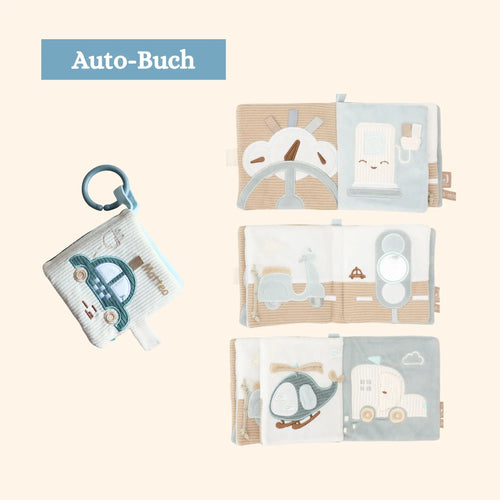
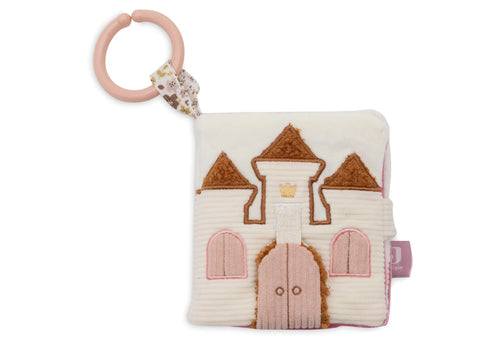
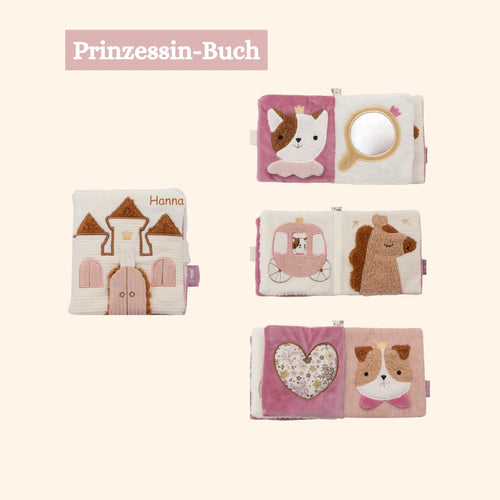
Many parents also notice that babies prefer to be engaged in real actions rather than passive watching. Opening something, feeling, pressing, pulling out, or flipping is often more interesting than a toy that just makes noise. This is precisely the appeal of quiet, handmade activities like small activity books or quiet books for the respective age. They create concentration instead of sensory overload.
The best ideas depending on the situation
In the stroller
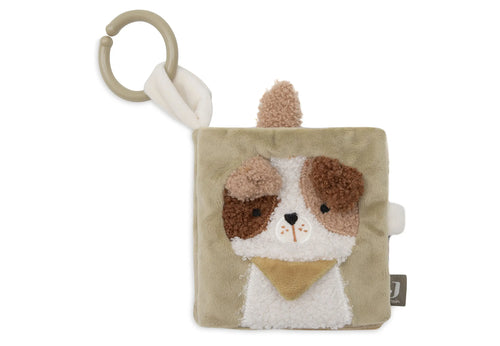
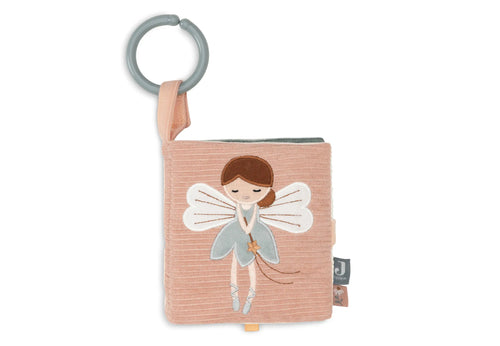
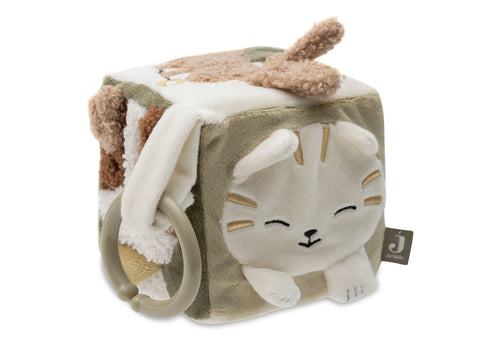
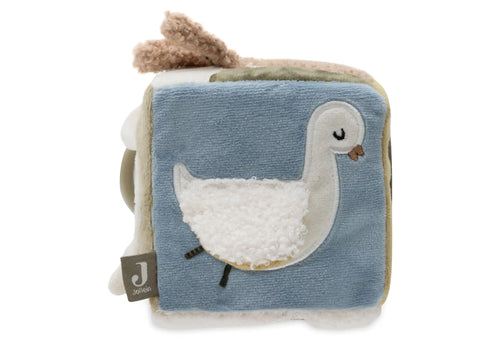
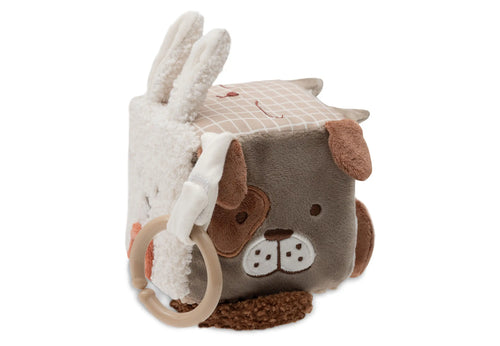
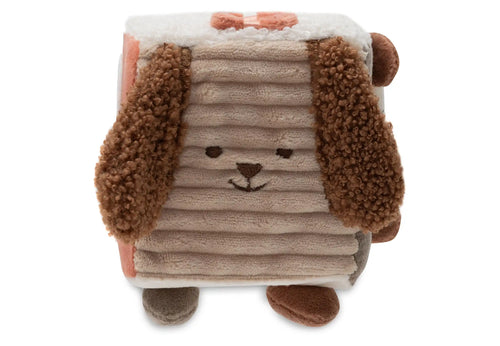
In the stroller, entertainment works best when it's easily accessible and soft. A small fabric book, a grasping toy, or an attached sensory toy is often enough. It's important that your baby doesn't get constant new impulses. A single well-chosen item usually holds attention longer than three things at once.
If your baby is very young, simply observing together is often enough. Talk quietly about what's passing by, or softly sing a familiar song. For older babies who want to grasp and try things more actively, pages to feel, pull, or flip are particularly nice because they can make something happen themselves.
In the car
In the car, safety comes first. Loose toys that constantly fall down quickly cause stress. Here, light, soft entertainments that stay in the seat or are easy to find again prove effective. Anything loud or flashing may seem practical at first, but can quickly lead to restlessness.
For shorter trips, not much is often needed. A familiar object, a quiet finger-play routine, or a small soft book is often sufficient. For longer journeys, variety is worthwhile – but in small doses. Better two familiar activities one after the other than an overcrowded bag with ten options.
In the restaurant or cafe
Here, parents are usually looking for a solution that is quiet, stays clean, and works at the table. This is precisely when the value of quiet, screen-free entertainment becomes apparent. Babies want to participate, not just wait. If they can explore something with their hands, much more serenity often arises.
Soft activities with clear actions are particularly suitable: opening flaps, feeling elements, looking at small details. A light cloth, a safe spoon to hold, or a mini activity book can also help. It's crucial that the material is high-quality and pleasant to the touch – nothing that looks cheap, scratches, or gets boring too quickly.
While waiting on the go
Doctor's office, train station, visiting grandparents – these transitions are often more exhausting than the actual journey. Babies sense unease very precisely. Then less animation and more reliability help. Don't immediately pull out something new, but first something familiar. A known game signals security.
Especially in such moments, small rituals are helpful. Always the same song, the same soft book, or the same page to discover creates recognition. For babies, this is not a lack of variety, but often exactly what they need.
Think age-appropriate instead of always taking more
0 to 6 months
In the first months, it's mainly about perception, grasping, and closeness. On the go, your baby is usually well-occupied with the environment. Soft contrasts, fabrics with different surfaces, or a grasping toy are sufficient here. Too many play options at this age tend to lead to fatigue rather than joy.
6 to 12 months
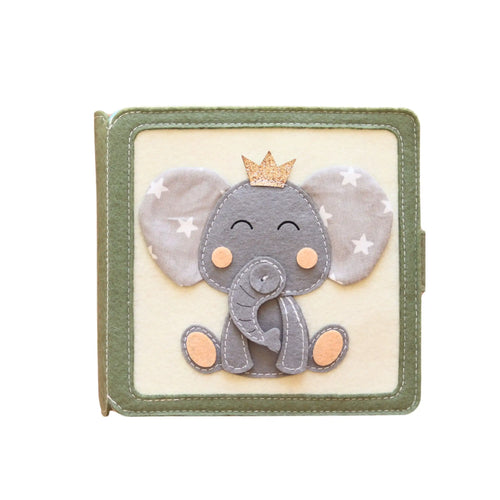
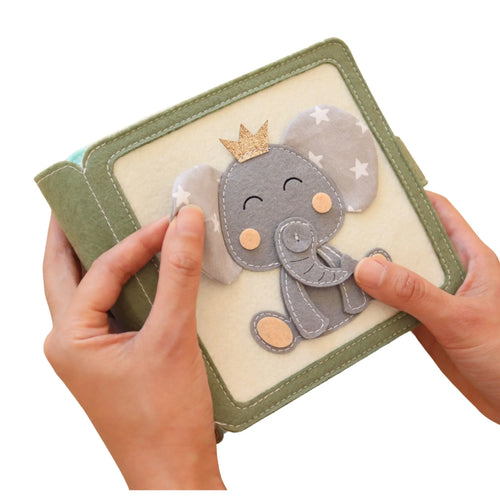
Now it becomes more active. Many babies want to specifically touch, pull, turn, or transfer things from one hand to the other. Activities with small sequences of movement are ideal now. Precisely in this phase, many families appreciate a compact quiet book or a small activity book specially made for babies: soft, quiet, and designed to allow small successes.
From the first birthday
Older babies and young toddlers often need a bit more of a task. They want to understand connections, assign elements, or try out simple fasteners. However, the principle remains the same here: rather calm and concentrated than shrill and hectic. Entertainment may arouse interest, but it should not stimulate so much that the transition back to everyday life becomes difficult afterward.
What often works worse on the go
Some things seem practical at home and suddenly become tedious on the go. Toys with many individual parts are easily lost. Hard objects fall loudly to the floor. Electronic toys are often fascinating at first, but quickly tip into overstimulation – especially in already crowded environments.
Snacks are also sometimes used as entertainment, although this is not sensible in every situation. Food calms in the short term, but does not replace real activity and can be impractical in the car or stroller. It's similar with the cell phone. Of course, there are moments when parents simply need a quick solution. As a permanent strategy, however, screen time on the go rarely creates the quiet, self-directed engagement that many actually desire.
Less stimulus, more concentration
When parents pack a bag for on the go, the temptation to want to be prepared for everything is great. In practice, a small, consciously selected choice is usually more successful. A high-quality item that is beautifully crafted and offers several entertainment options can be worth more than many fleeting trifles.
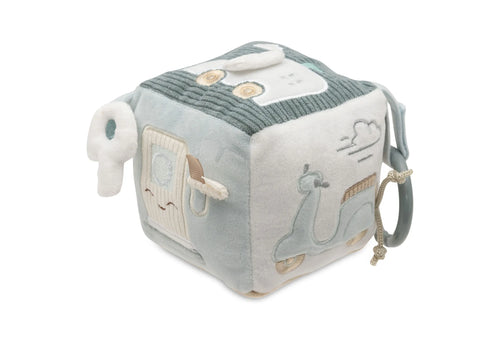
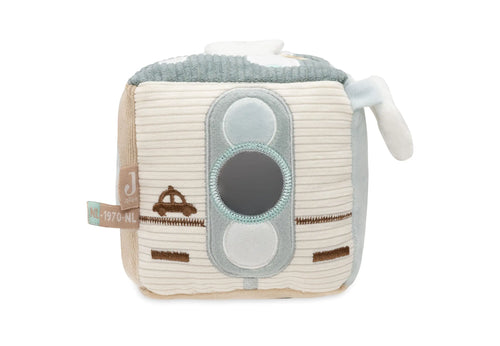
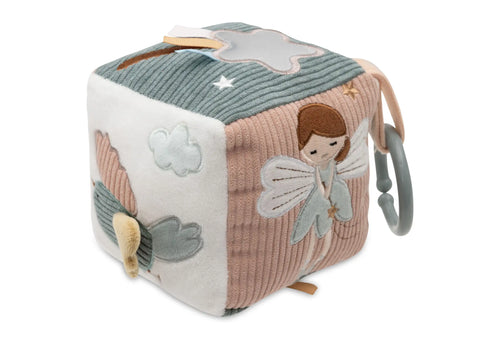
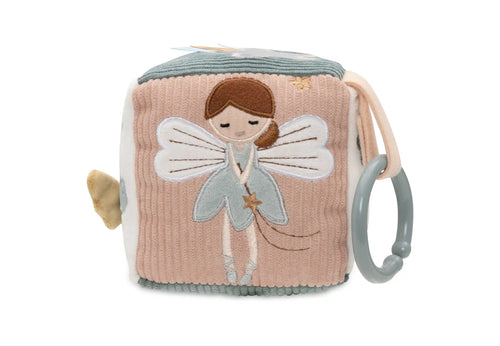
Therefore, many families choose quiet, handmade entertainments that not only look nice but also accompany development. A well-made quiet book promotes touching, grasping, matching, and initial problem-solving – while remaining pleasantly quiet. Especially on the go, this is a real advantage because play and relaxation come together. At Habi Kids, this idea is at the center: lovingly designed, screen-free entertainment that brings joy to children and simplifies everyday life for parents.
How do I entertain my baby on the go when nothing helps?
This is also part of the truth: there are days when even the best toy doesn't work. Tiredness, hunger, teething, or a busy day cannot always be played away. Then it helps to adjust expectations. Entertainment is not a trick that solves every discomfort. It can only support.
Quiet books, activity cubes, hooded towels — all with a name
Sign up and we’ll personalize your child’s Quiet Book, Activity Cube, or Hooded Towel with their name for free!
You're in!
Thanks for signing up.
Free personalization
Sign up and we'll put your child's name on their quiet book or activity cube for free!
You can unsubscribe at any time.
Welcome to Habi Kids!
Thanks for signing up! If you're new, you'll find your voucher code in your inbox shortly.
- Choosing a selection results in a full page refresh.
- Opens in a new window.