




How to entertain a toddler without a tablet?
Share
It's often the same scenario: you're waiting ten more minutes in the restaurant, your phone is at hand, your toddler is getting restless – and suddenly the tablet seems like the easiest solution. That's when the question arises of how to realistically engage a toddler without a tablet in everyday life. The good news: it doesn't always require constant action, expensive toys, or a perfectly prepared program. What usually truly captivates children at this age is something else entirely – using their hands, discovering things for themselves, repeating, organizing, opening, closing, matching.
How to engage a toddler without a tablet - what really works
Toddlers don't learn through entertainment in the adult sense. They learn by doing. What seems small or unspectacular to us can be incredibly exciting for a child between one and four years old: a zipper that finally opens, a button that fits through a hole, an object that can be sorted.
That's why screen-free activities work best when they are adapted to the child's developmental stage. A two-year-old doesn't need constant entertainment, but rather a task that can be solved with their hands and has a clear end. An older toddler often already wants to compare, match, solve small problems themselves, and experience visible successes.
This is precisely where the difference lies between brief distraction and genuine engagement. A screen often keeps a child still as long as external stimuli are present. A good analog activity keeps a child still because the child itself becomes active. This is not only quieter for many families but also more relaxed in the long run.
Not more stimuli, but the right ones
When parents look for alternatives to tablets, they often first think of more toys. In practice, it's often the other way around. Too many options quickly overwhelm toddlers. Then everything is briefly touched, and nothing holds their attention for long.
More helpful are a few, clearly understandable activities with a recognizable purpose. Things for stacking, threading, sorting, opening flaps, recognizing shapes, or re-enacting small everyday routines provide orientation. They have a calming effect because they allow for repetition. Toddlers, in particular, love this feeling of "I can do this myself."
This is also why quiet, tactile materials are so valuable in everyday life. They make no noise, don't flash, and don't constantly distract – and it is precisely this that allows concentration and perseverance to develop in the first place.
At home: simple ideas with real engagement value
At home, engagement doesn't have to be complicated. Often, the best situations are those where a child is meaningfully involved. Sorting laundry, pairing socks, putting wooden spoons in a drawer, or placing fruit in a bowl – all of this seems mundane to adults, but to toddlers, it often feels very serious and important.
In addition, prepared play prompts that work without much explanation help. Sorting games with colors or shapes are classics because they are immediately understandable and yet promote development. Stacking cups, pegboards, first puzzles, or pouring and feeling materials can also last a long time if they are not all offered simultaneously.
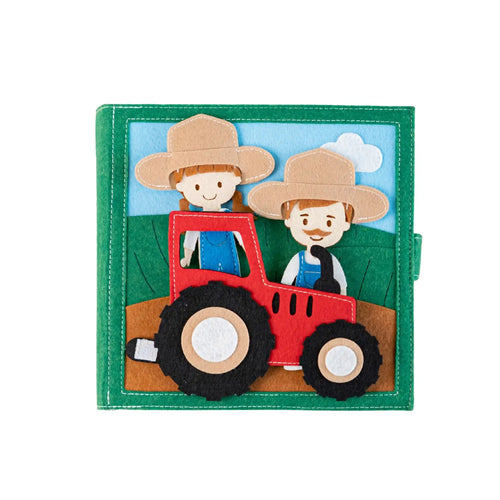
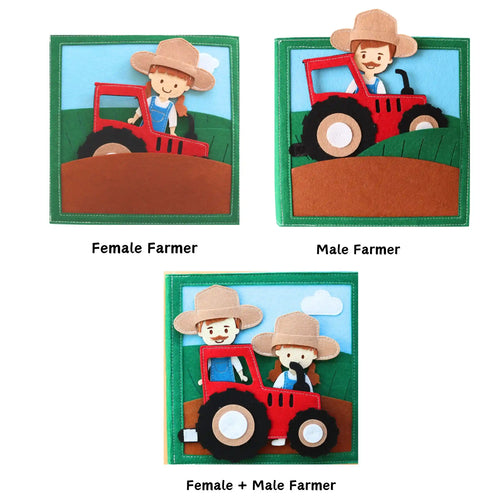
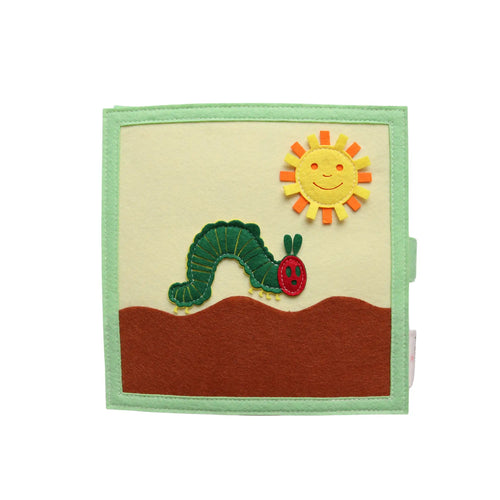
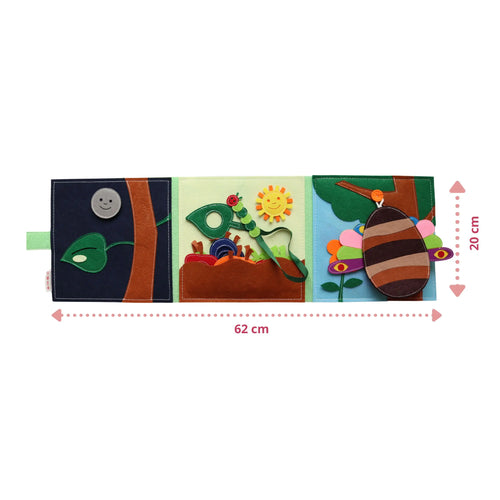
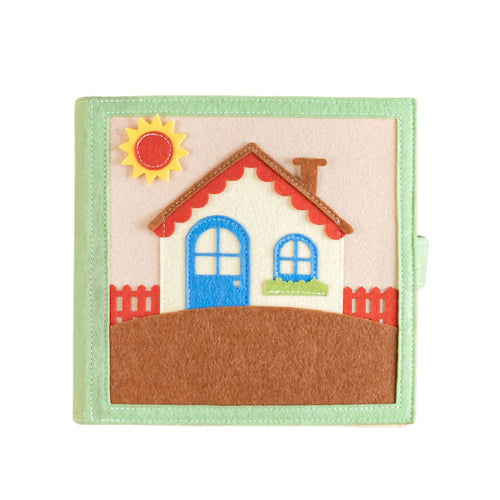
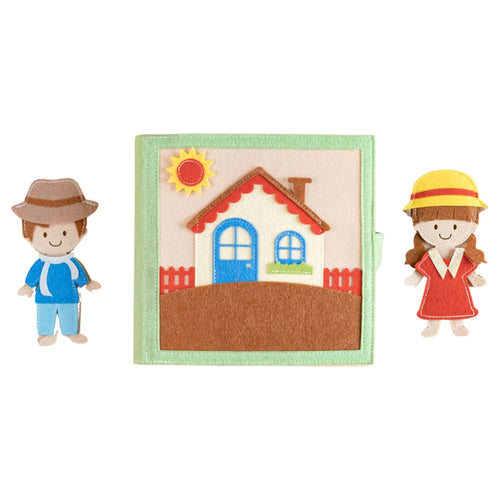
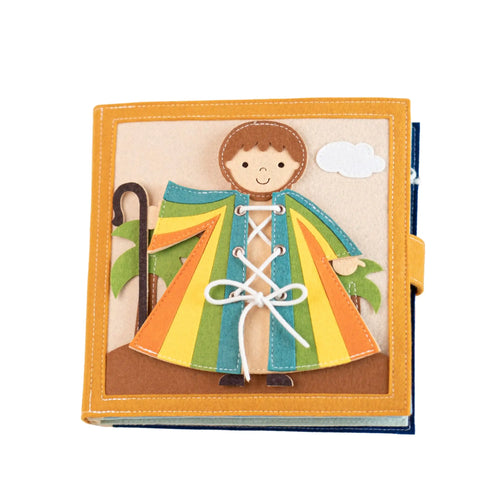
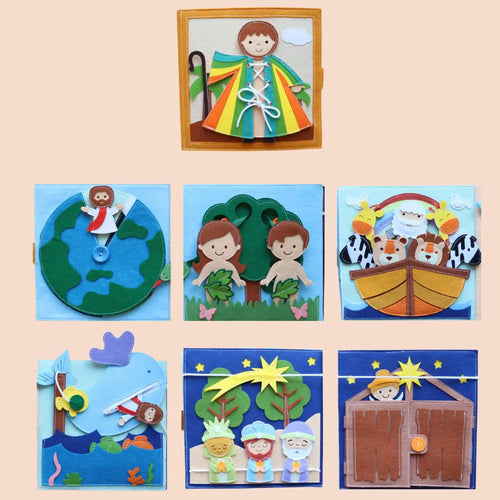
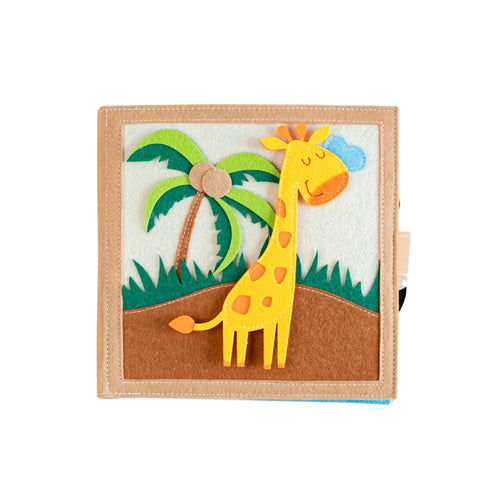
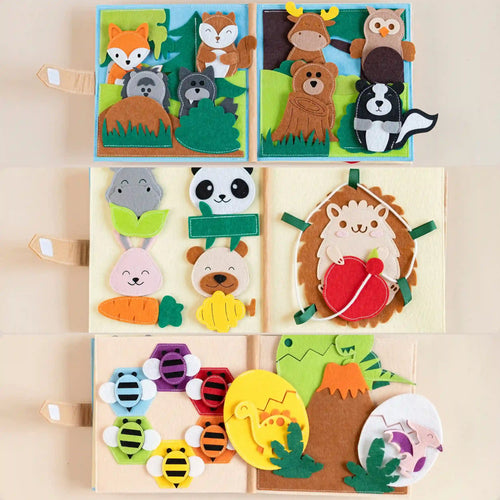
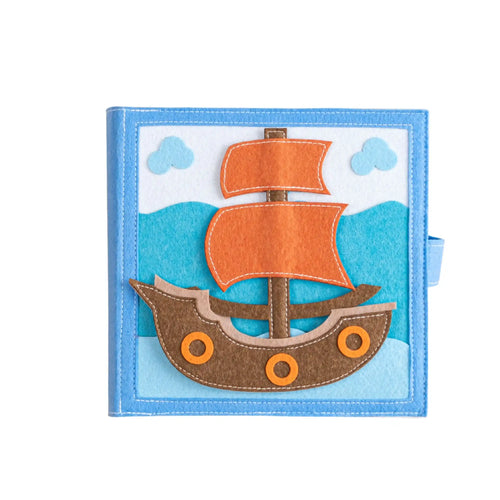
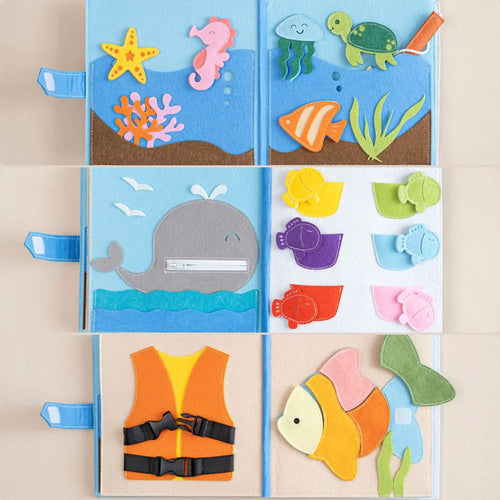
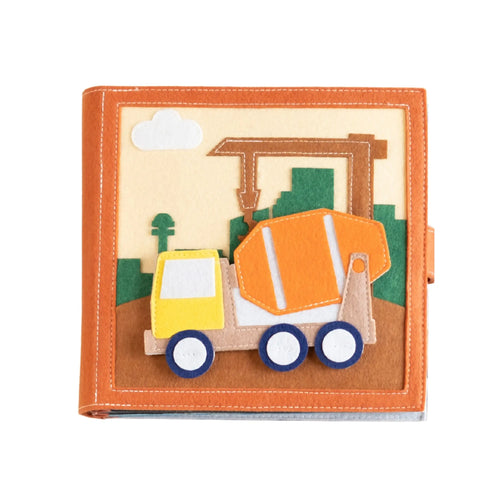
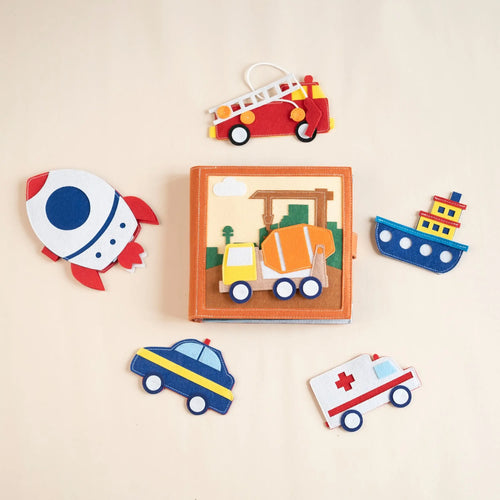
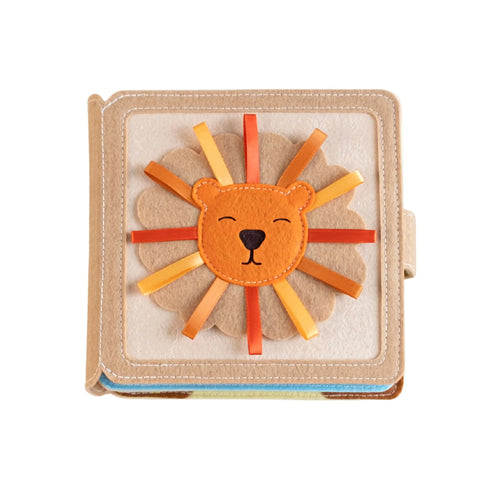
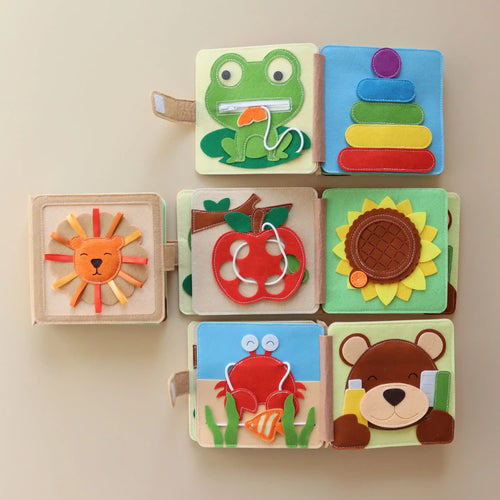
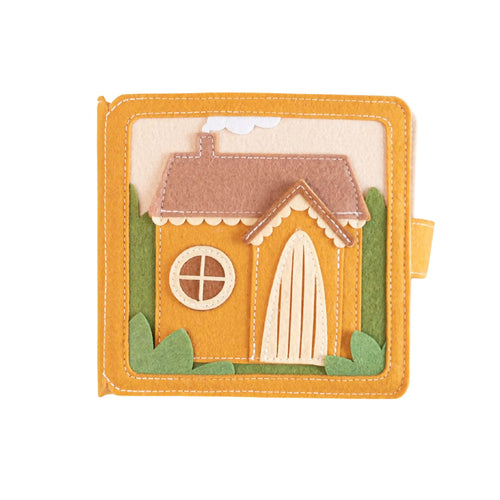
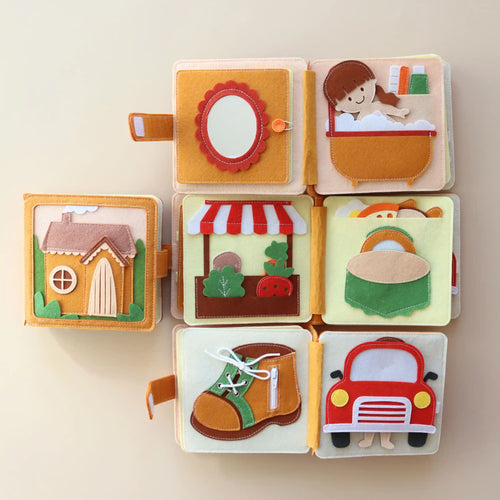
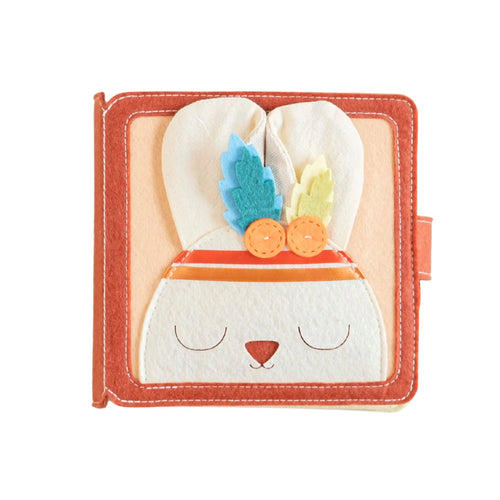
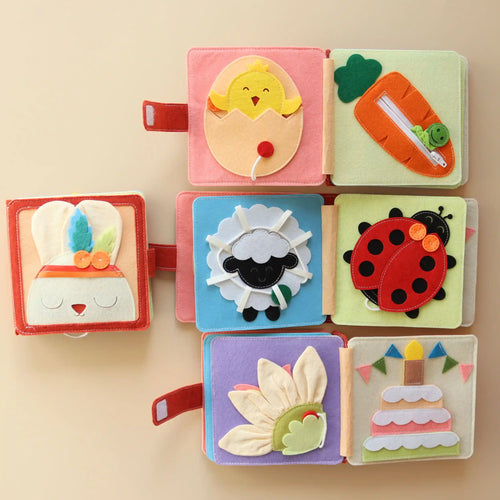
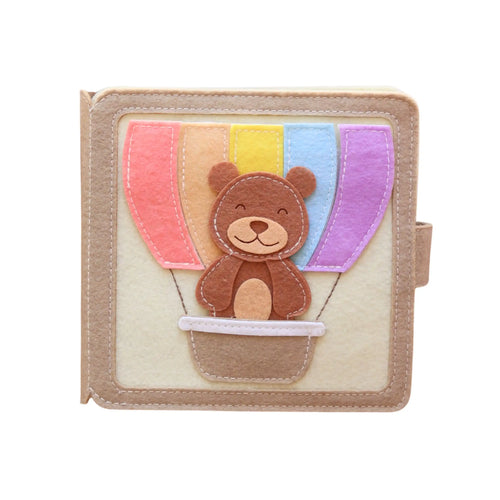
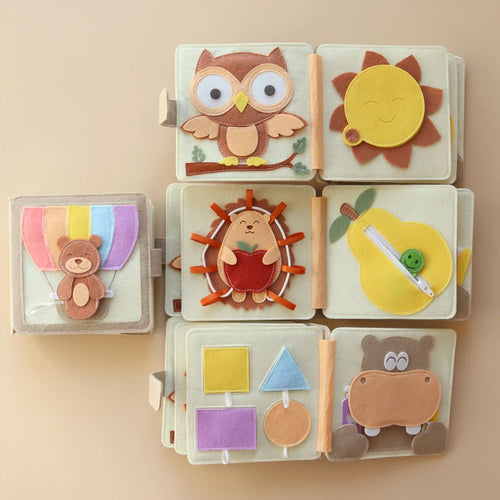
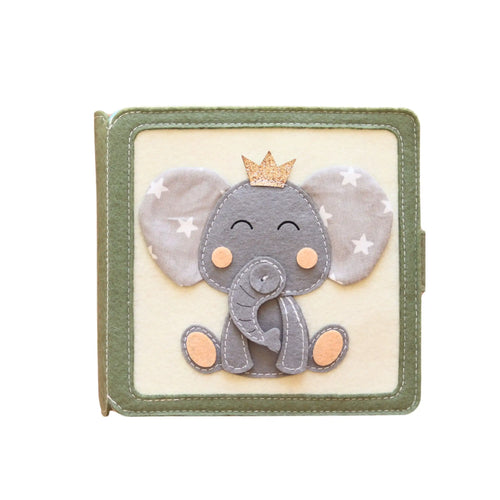
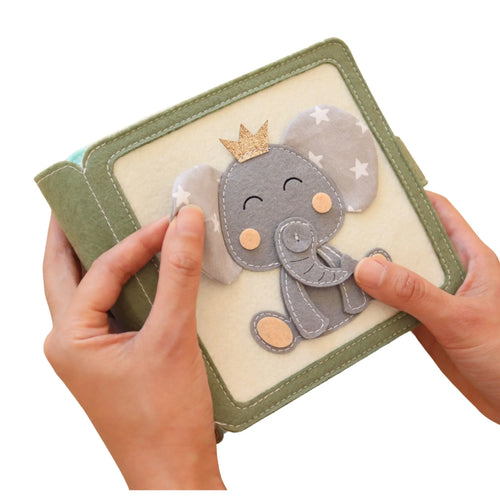
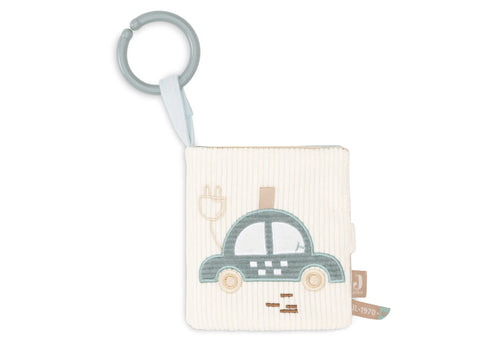
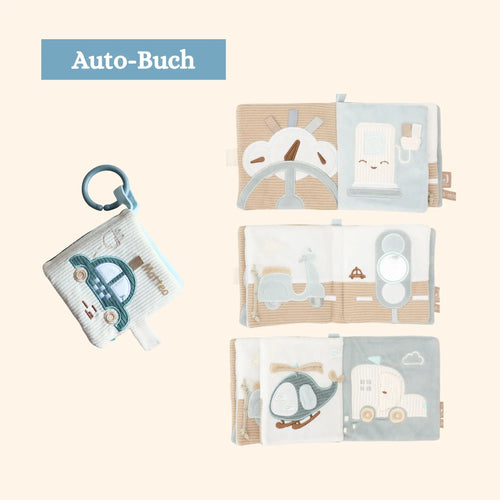
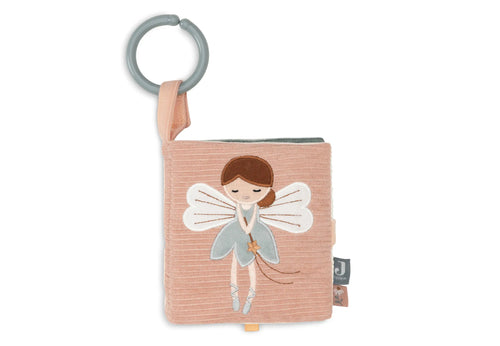
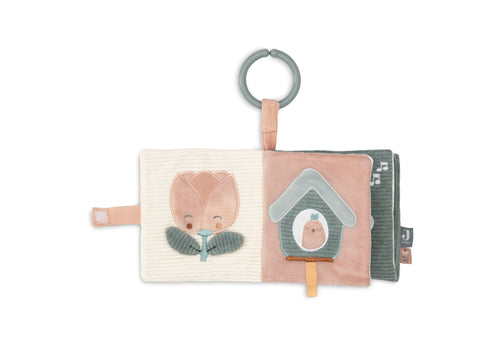
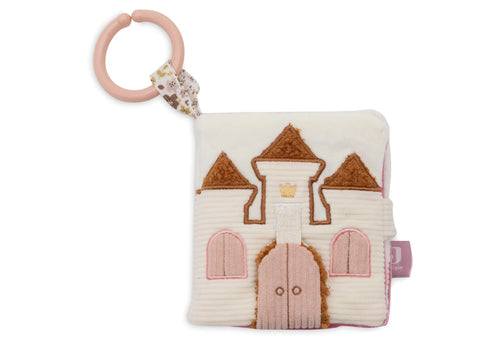
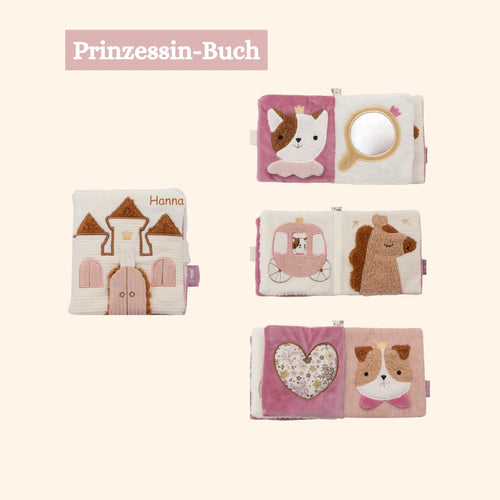
Materials that appeal to several skills simultaneously work particularly well. When a child opens a flap, discovers something underneath, and then closes it again, they are not only training fine motor skills. They are practicing patience, problem-solving, and handling small sequences. That's why high-quality Quiet Books are so practical for many families: they combine quiet play with concrete learning stimuli and feel more like independent discovery than mere distraction.
What's important is not perfection, but suitability. A child who finds buttons exciting doesn't need a whole new construction site of ideas. They need an activity that picks up on that impulse.
Routines trump spontaneous makeshift solutions
Many tablet moments arise not because parents lack ideas, but because the transition is difficult. Before cooking, after daycare, in the waiting room, or just before bedtime, patience wanes. If there are already established activity routines for these situations, the screen will be a standard answer much less often.
A quiet basket for the afternoon, a specific book just for restaurant visits, or a small bag with quiet activities for on the go can work wonders. Toddlers love predictability. If they know what's coming at that moment, they have less to negotiate and can get into play more easily.
On the go: why portable activities are worth their weight in gold
The hardest question is often not how to keep a child engaged at home, but how to do so on the go. In the car, on the plane, in a café, or during visits, you need something compact, clean, quiet, and ready to use immediately.
This is precisely where many well-intentioned play ideas fail. Building blocks fall down, pens roll away, playdough isn't ideal everywhere, and books only hold attention for a short time depending on temperament. For on the go, activities that remain contained, offer several small tasks within them, and require no accessories are most helpful.
That's why many parents opt for quiet, handy activity books made of fabric or felt. They are easy to take along, make no noise, and offer various exercises in a small space – from buckles to shapes to matching games. This is especially useful when children quickly switch between interests but still need something tangible. A well-made Quiet Book can provide the kind of quiet engagement in everyday life, during travel, or in a restaurant that is often otherwise only expected from a tablet.
What is age-appropriate - and what is more likely to cause frustration
When asking how to engage a toddler without a tablet, age plays a more significant role than many think. A younger toddler primarily needs simple cause-and-effect experiences, few stimuli, and lots of repetition. Opening and closing, pulling, touching, or matching two clearly distinguishable shapes are often quite sufficient.
Around two to three years of age, interest in small sequences of tasks grows. Then sorting, threading, recognizing colors, or simple role-playing become more exciting. From about three years of age, activities can become a bit more complex, as long as they remain manageable. Then even first everyday exercises are enjoyable, such as closing Velcro fasteners, understanding sequences, or re-enacting small stories.
Frustration usually doesn't arise because a child "can't sit still," but because the task doesn't fit. If it's too easy, it's put away. If it's too difficult, the mood quickly sours. Good engagement sits exactly in between – challenging, but doable.
Less screen time doesn't mean more pressure
One point is particularly relieving for parents: screen-free doesn't mean every minute has to be pedagogically embellished. A child is allowed to be bored sometimes. Boredom is not automatically a problem, but often the beginning of ideas, movement, or free play.
The pressure often arises when parents believe they constantly have to be creatively entertaining. In reality, a quiet setting with a few good materials is often enough. Children don't need a show. They need opportunities to become active themselves.
Exceptions are also allowed. When traveling, during illness, or in particularly stressful phases, not every family will manage completely without screens. What's crucial is less the rigid ideal than the basic direction in everyday life. If analog engagement is familiar, the tablet is much more likely to be an exception than a habit.
How to recognize good screen-free engagement
Not everything that is sold as useful actually fits into family life. Good engagement for toddlers is above all safe, clear, and repeatedly usable. It shouldn't need to be explained after two minutes and shouldn't require constant adult supervision.
Particularly valuable are materials that are beautifully crafted, feel pleasant in the hand, and appeal to several developmental areas. Fine motor skills, concentration, sensory experience, and early logical thinking are not mutually exclusive – they often reinforce each other. Especially handmade, thoughtfully designed products have an advantage here because they not only entertain but are developed with real use in mind.
Anyone looking for something that proves itself equally well at home and on the go will therefore often find a longer-term solution in Montessori-inspired activity materials or lovingly crafted Quiet Books than in short-lived trend toys. At Habi Kids, this very idea is palpable: quiet, high-quality play that engages children and genuinely relieves parents in everyday life.
If you want to change something today
Don't start with a complete media plan. Start with a single moment in the day. Perhaps the waiting time before a meal, the car ride to daycare, or the ten minutes when you need to get ready in the morning. If a suitable, quiet activity is ready for precisely this moment, an astonishing amount often changes already.
Children don't always need more input. Often, they just need something that gives their hands something to do and leaves their minds enough space to become active themselves. That's where the most beautiful quiet minutes arise – not because a screen covers them up, but because a child has truly arrived at themselves and their play.