




How long does a child play alone?
Share
Sometimes it's just five quiet minutes in the kitchen, sometimes half an hour of concentrated sorting, buttoning, or matching at the living room table. When parents ask how long a child plays alone, it's rarely just curiosity behind it. Most of the time, it's also about relief, development, and the worry of whether their child plays "enough" independently.
The short answer is: It depends heavily on age, temperament, and the play situation. Solo play is not a fixed milestone that every child reaches at the same time. It develops step by step - and best of all when children feel secure, the materials suit them, and there is no overstimulation in the room.
How long a child plays alone - by age
In the first year of life, true solo play is still very short. Babies often occupy themselves for only a few minutes with an object, a texture, or a simple movement. This is perfectly normal. They need closeness, eye contact, and co-regulation. Even grasping a fabric element or feeling different surfaces is valuable play at this age.
Between 1 and 2 years, the time windows usually get a little longer. Many toddlers play alone for about 5 to 15 minutes if they are well-rested, feel secure, and have a manageable selection in front of them. The length alone is not decisive here, but rather the quality of immersion. A child who concentrates on opening zippers or sorting shapes for ten minutes learns a great deal during this time.
Between 2 and 3 years, the first truly quiet play phases often emerge. 10 to 20 minutes are realistic for many children, sometimes even more. Now it becomes clearer how different children are. One child loves repetition and delves deeply, while another switches between tasks more quickly. Both can be healthy.
Between 3 and 5 years, many children manage 20 to 40 minutes of independent play, occasionally longer. Especially if the play material is open-ended enough but not overwhelming. Children in this age group particularly benefit from activities that engage both hands and mind simultaneously - such as closing, matching, threading, sorting, or re-enacting small everyday scenes.
These numbers are only guidelines. If a three-year-old child rarely plays alone for more than ten minutes, it doesn't automatically indicate a problem. Perhaps they are tired, currently seeking a lot of closeness, or the available play options don't match their developmental stage well.
What it really depends on
The question "how long does a child play alone" can never be answered solely by the date of birth. Three factors have a particularly strong influence in everyday life.
The first is temperament. Some children are naturally more cautious, more relationship-oriented, or more easily overstimulated. Others are very persistent early on and enjoy playing alone. Both are normal. Independent play is not a competition and not proof of "good" children.
The second factor is the environment. A child is more likely to play alone if the room feels calm, the material is visible and accessible, and ten things are not simultaneously flashing, singing, or demanding attention. Less choice often leads to more concentration.
The third point is the type of play. Open-ended, haptic, and clear materials often support solo play better than noisy, highly structured toys. Children stay engaged longer with activities they can actively control with their hands. Especially quiet activities like feeling, sticking, buttoning, velcroing, pushing, or matching give children the good feeling: I can do this myself.
When solo play is beneficial - and when it's not
Solo play is valuable because it strengthens concentration, problem-solving, and self-efficacy. Children experience that they can figure things out on their own. This is an important foundation for later joy in learning.
At the same time, solo play is not an ideal that always has to last as long as possible. Children also need shared play, guidance, and genuine attention. If a child "occupies themselves alone" only because they have resigned themselves or regularly receive little interaction, that would not be a healthy form of independence.
A good measure is the child's mood. If they seem relaxed, curious, and engrossed, then the phase is usually developmentally beneficial. If they seem restless, constantly seek reassurance, or quickly get frustrated, they probably need more guidance or a different play offering.
How parents encourage independent play without pressure
Children learn solo play not through demands like "Go play alone now," but through reliable small experiences. This often begins with an adult sitting nearby, showing interest, and then slowly withdrawing.
A clear beginning is helpful. If parents calmly introduce a material, show a function once, and then let the child take the lead, the transition is easier. Many children need exactly this small initial impulse.
Equally important is the right amount. Too many toys often lead not to more play, but to more jumping from one thing to the next. A few well-chosen materials create a calmer atmosphere and open up more depth. This is especially true for children under five.
Routine also helps. If there is a recurring moment for quiet play in the daily routine - for example, after breakfast, before dinner, or on the go in a restaurant - the child will eventually recognize this phase as familiar. Reliability creates security, and security makes independence possible.
Last but not least, parents' expectations play a role. Those who inwardly set a two-year-old child to 30 minutes of quiet solo play will quickly become frustrated. Those who, on the other hand, see and appreciate small steps create a more relaxed atmosphere. Sometimes seven good minutes are just right.
Which play materials can extend solo play
Particularly suitable are materials that are clearly structured, can be easily explored with the hands, and give the child direct feedback. Children want to feel what happens when they open, close, pull, arrange, or combine something.
That's why quiet, action-oriented activities often work better than toys with many effects. If a child has to be active themselves, they are more likely to stay engaged. It's not about offering as much entertainment as possible, but a meaningful activity that neither underwhelms nor overloads.
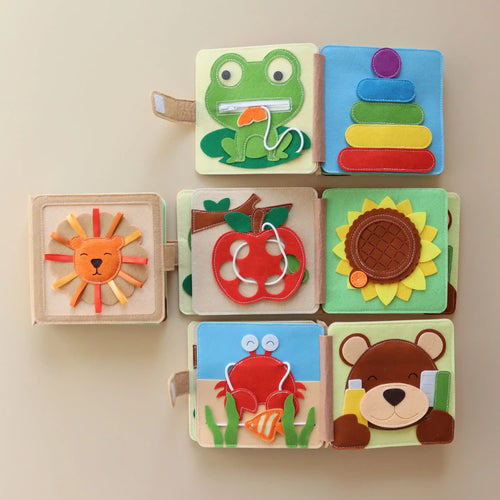
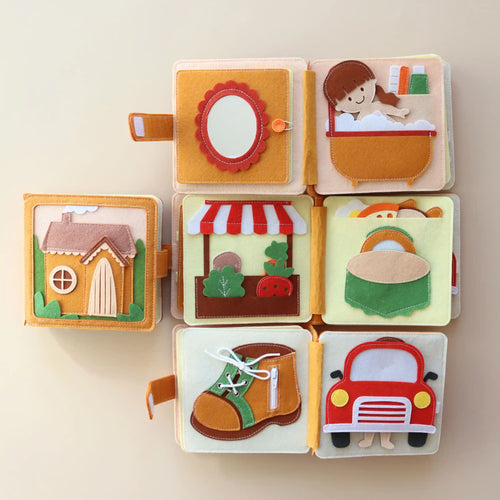
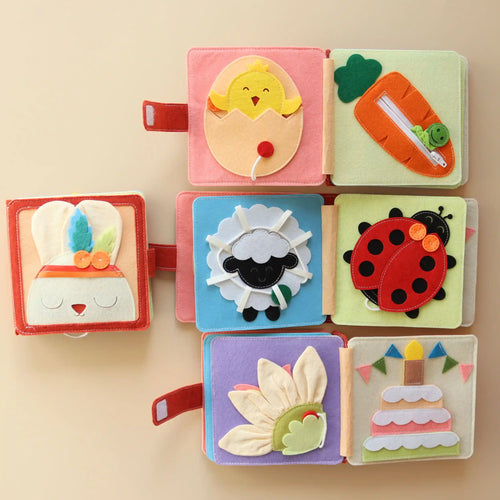
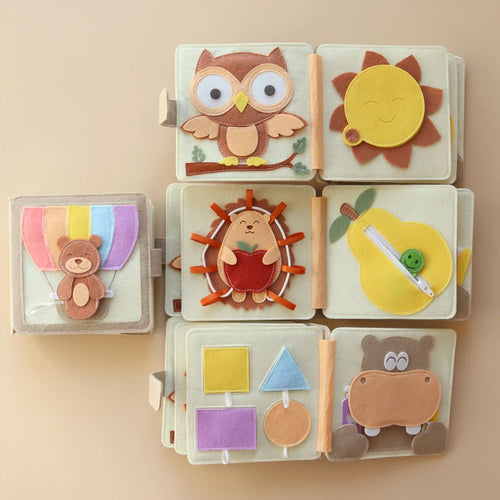
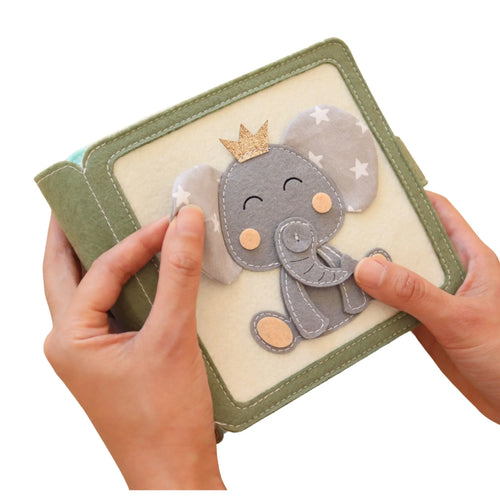
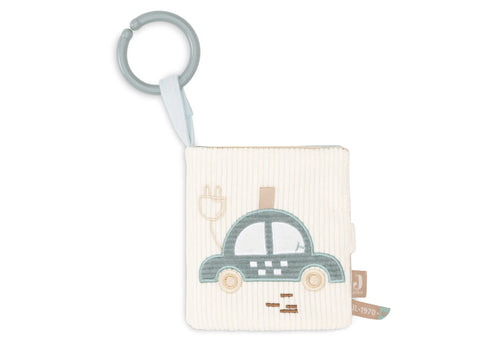
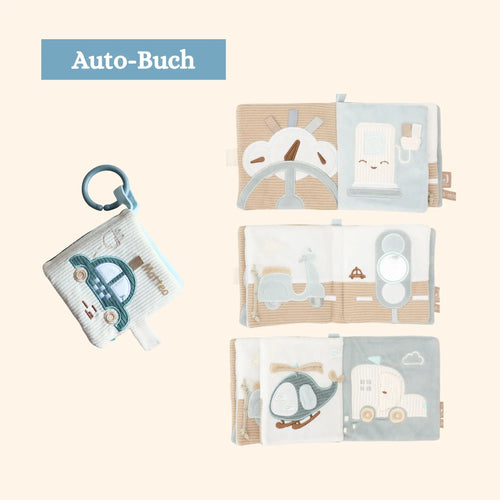
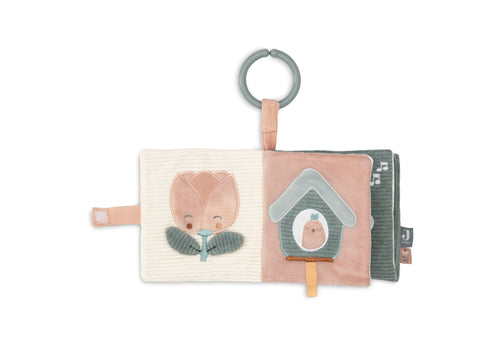
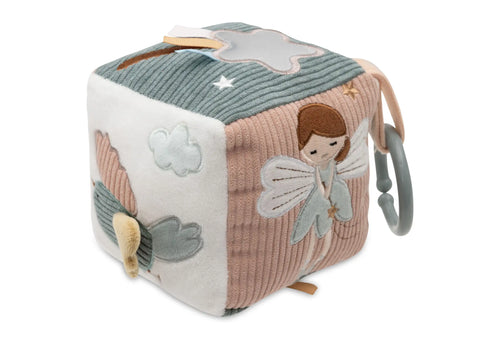
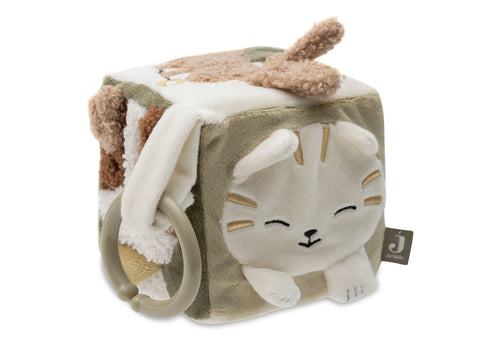
Montessori-inspired and fine motor activities can be particularly helpful here. They provide structure without being rigid and support precisely the kind of concentrated activity from which independent play grows. Soft, portable formats for the sofa, car, waiting room, or travel can also be gold in everyday life, as they enable quiet activity without additional noise or screen time.
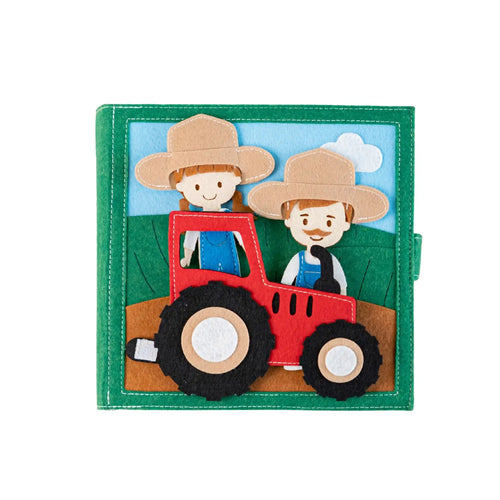
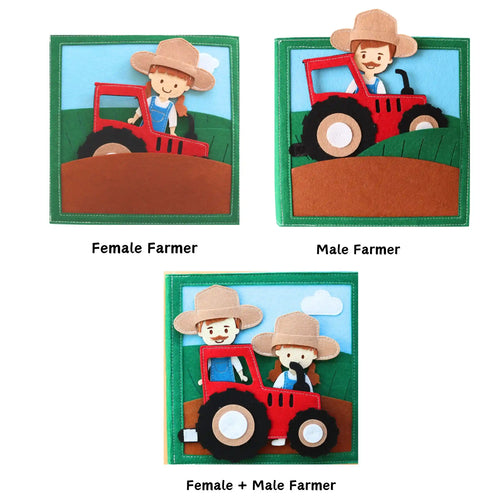
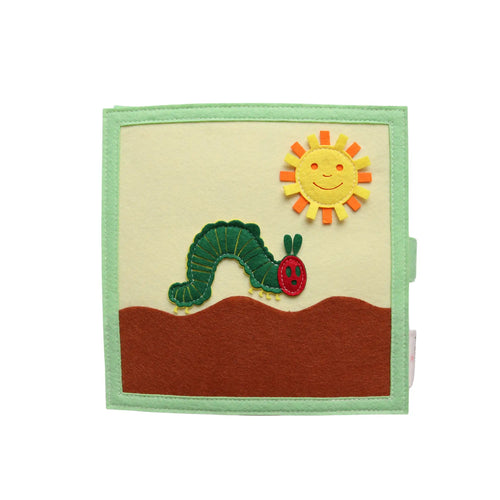
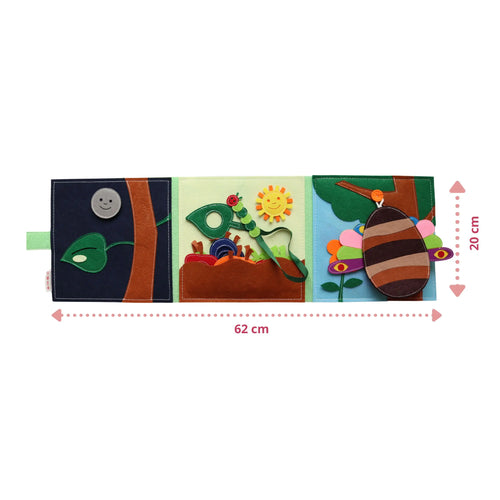
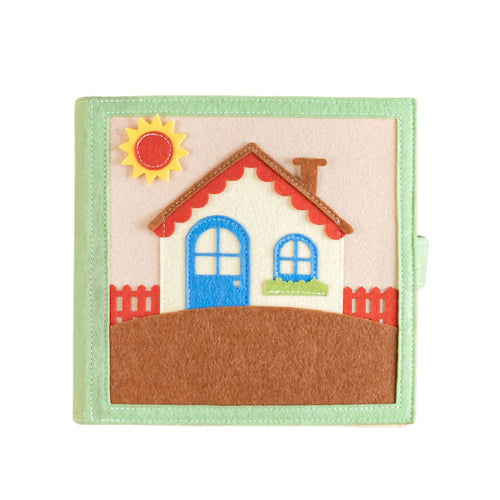
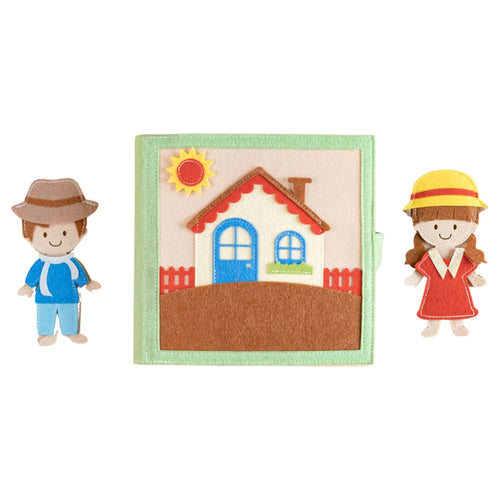
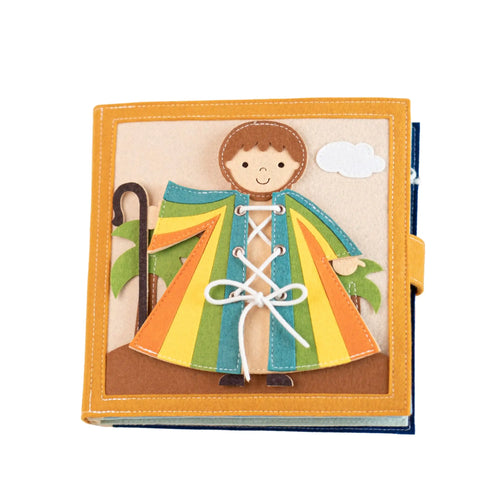
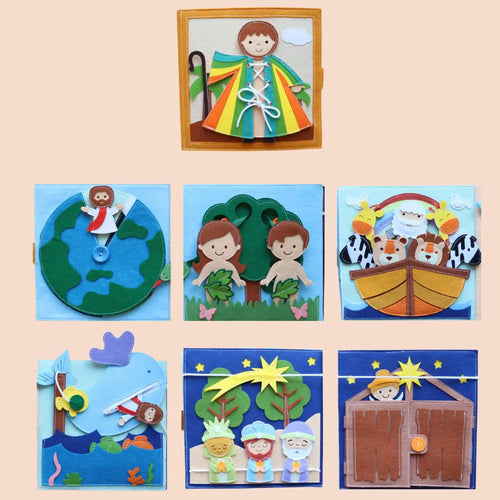
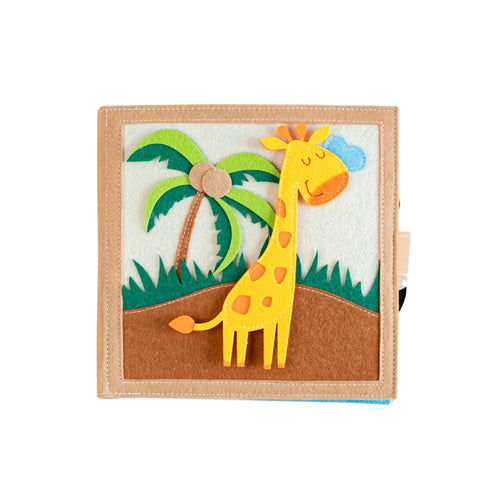
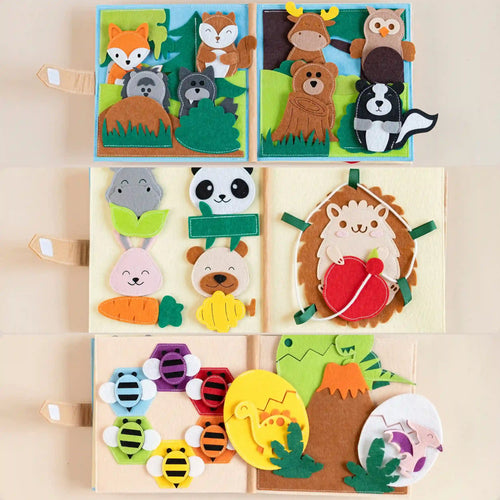
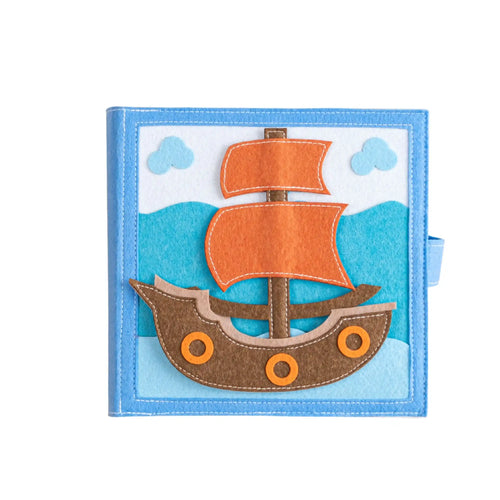
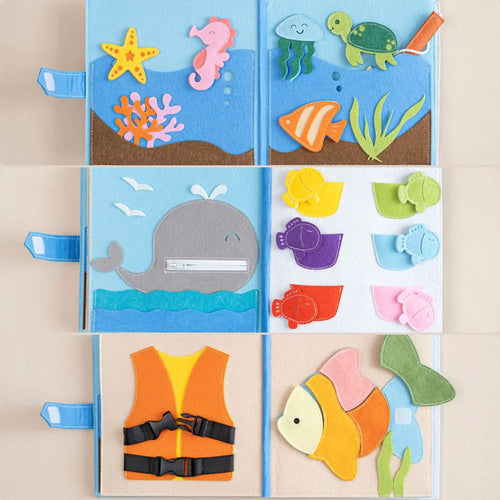
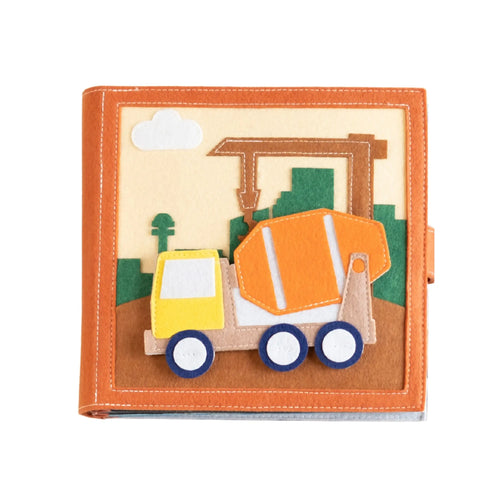
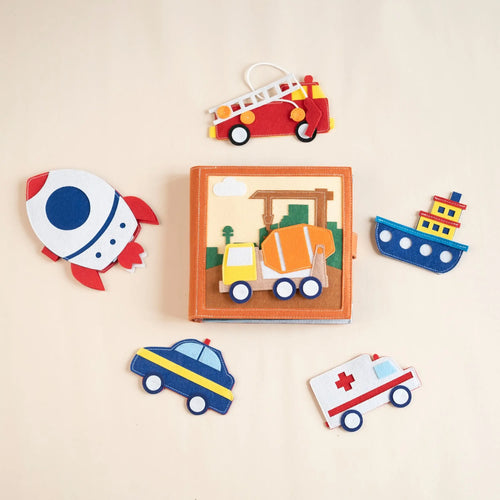
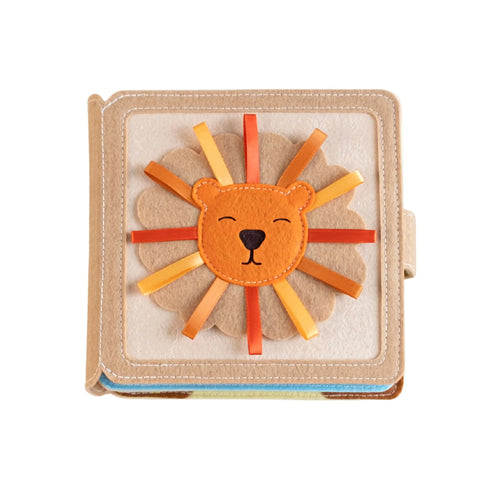
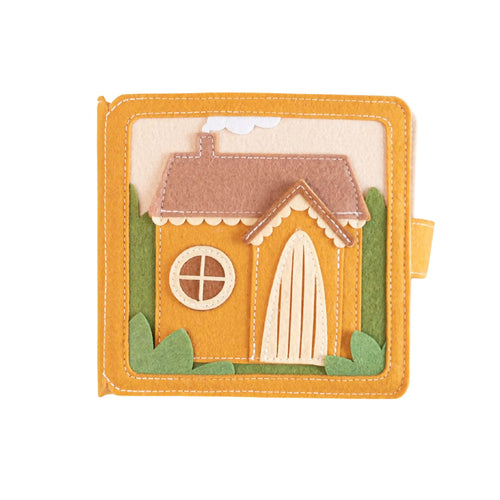
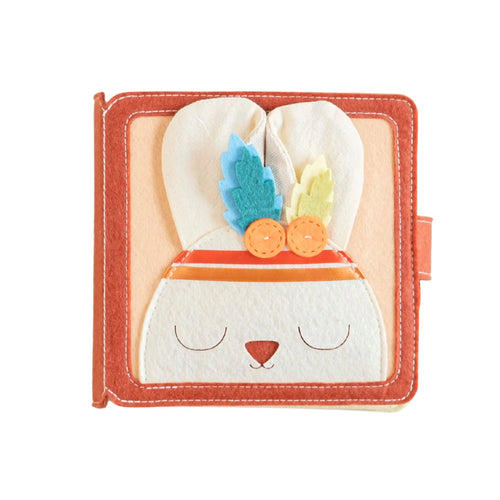
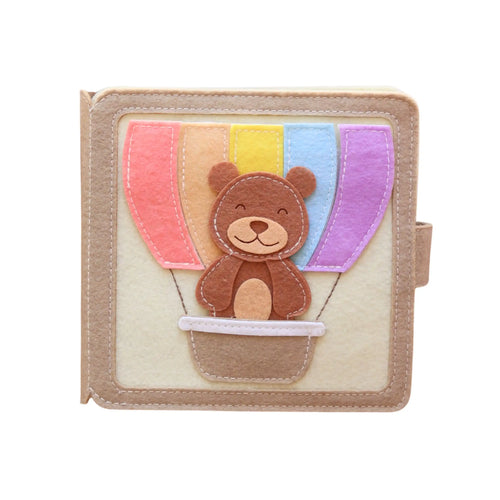
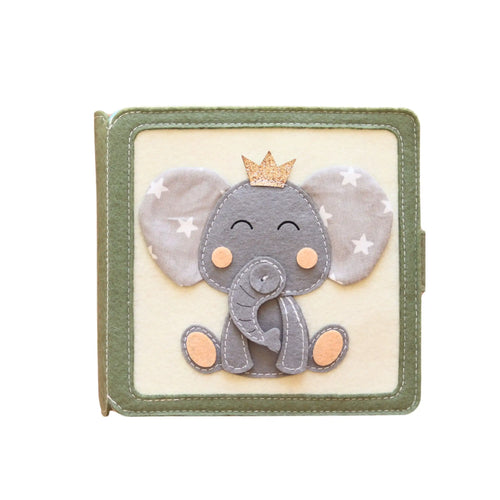
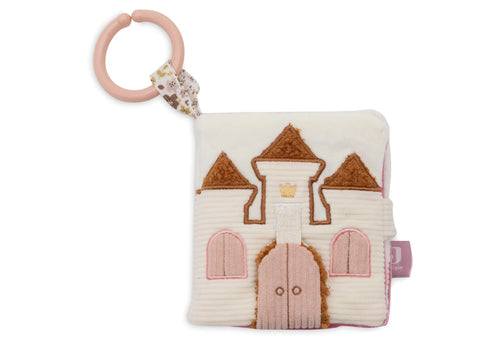
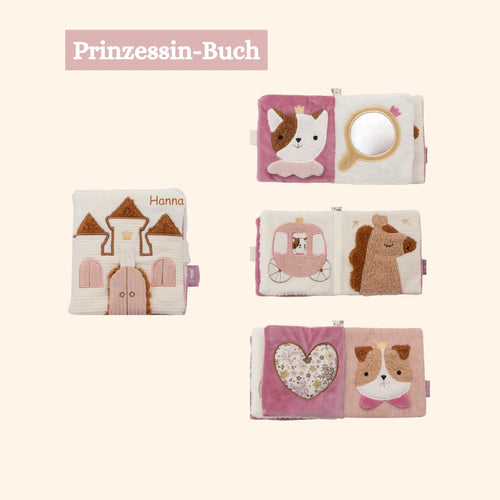
At Habi Kids, this is precisely why we see how strongly children respond to thoughtfully designed Quiet Books: They are tangible, clear, and full of small tasks that promote independence without overstimulating.
If a child doesn't like playing alone
This is also common and not automatically a warning sign. Some children take longer to detach from the adult and immerse themselves in their own activity. Especially sensitive children or children in transitional phases - for example, after settling in, when tired, or during developmental leaps - often seek more closeness.
In such cases, more pressure usually doesn't help, but a finer transition does. Sit next to them first. Name what the child is doing. Only withdraw when they are visibly immersed. Often, just staying in the same room instead of disappearing completely is enough.
If a child generally hardly plays alone, it's worth taking a look at their daily routine. Are there enough quiet moments? Is the toy accessible and age-appropriate? Is the child perhaps often overtired or exhausted from many appointments? Not infrequently, the solution lies less in the child than in the surrounding conditions.
How long is too long?
Parents ask this question less often, but it is sensible. Very long solo play is not automatically better. Even an independent child needs resonance, shared language, physical closeness, and genuine interaction. Especially younger children should not be left entirely to themselves for extended periods.
Balance is crucial. Short to medium phases of solo play, embedded in a warm, connected daily routine, are usually ideal. The child can detach - and at the same time be sure that someone is there.
So if you're wondering how long a child plays alone, don't look for the perfect number. Instead, pay attention to whether your child develops more confidence in small steps, whether they can immerse themselves, and whether the play visibly benefits them. From this, over time, arises the calm independence that makes family life easier and gives children something very valuable: the feeling of finding their way into play on their own.