



Montessori toys: What makes them special and how your child benefits from them
"Help me to do it myself" – this famous quote by Maria Montessori perfectly encapsulates the essence of Montessori pedagogy. Children want to discover, grasp, and understand the world independently . And the right toys play a crucial role in this process.
But what exactly defines Montessori toys? How do they differ from conventional toys? And which materials are suitable for which age groups? This guide tells you everything you need to know about Montessori toys – from the basic principles and specific age recommendations to practical buying advice.
 What are Montessori toys? – The 5 core principles
Montessori toys are not a protected term – not everything sold as "Montessori" actually adheres to the principles of this educational approach. Genuine Montessori toys are characterized by five essential features :
- Natural materials: wood, felt, cotton, fabric – Montessori toys rely on natural, tactile materials that feel pleasant and stimulate the senses. Plastic, batteries, and synthetic materials are avoided. The child should feel and understand the true nature of the materials.
- Openly designed: There is no right or wrong, no prescribed way to play. Montessori toys encourage free exploration: The child decides how to interact with them, how long to spend with them, and what to try. This fosters creativity and independent thinking.
- Self-correcting: Good Montessori materials provide the child with feedback on their own. If the block doesn't fit in the hole, the child finds another solution – entirely without parental intervention. In this way, the child learns through their own experience and develops problem-solving skills.
- Age-appropriate: Montessori toys are designed to match the child's developmental stage. They are neither too easy (boring) nor too difficult (frustrating), but offer just the right level of challenge. This keeps the child motivated and ensures regular success.
- Screen-free: No light, no sound, no screen. Montessori toys encourage genuine grasping, feeling, and manipulation with one's own hands. In an increasingly digital world, they offer children a valuable analog play experience that no tablet can replace.
The advantages of Montessori toys
Why is it worthwhile to invest in Montessori toys? The advantages go far beyond simply playing:
Promoting independence
Montessori toys encourage your child to do things independently – without constant guidance or help. Whether it's opening a zipper, fastening buttons, or matching shapes: every small task your child masters on their own strengthens their self-confidence and independence.
Strengthen concentration
Without flashing lights and beeping noises, your child can fully concentrate on the activity. This deep, undisturbed engagement – which Maria Montessori called "polarization of attention" – is one of the most important building blocks for later learning ability.
Developing fine motor skills and sensory perception
Grasping, feeling, turning, stacking – Montessori toys challenge the hands and fingers. Different textures, shapes, and materials train the sense of touch and fine motor skills – a key competence for independence and later school readiness.
Stimulate creativity and problem-solving
Open-ended toys without predetermined gameplay foster creative thinking. Your child finds their own solutions, invents stories, and discovers new ways to play – again and again. That's more valuable than any electronic learning game.
Montessori toys by age – What is suitable when?
Not every toy is suitable for every age. Here you will find an overview of which Montessori toys are particularly useful at each stage.
0–12 months: Sensory exploration
In the first few months, sensory experiences are paramount. Your baby grasps, feels, shakes, and puts everything in their mouth. Suitable Montessori toys for this phase include:
- Wooden grasping balls and rattles – promote first grasping attempts and auditory perception.
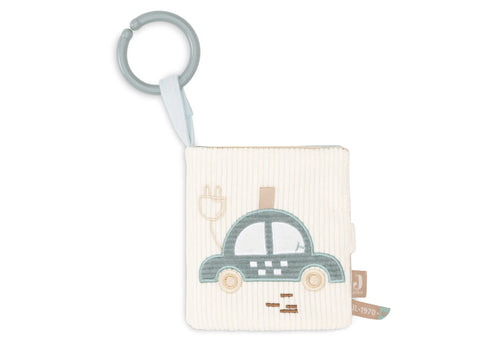
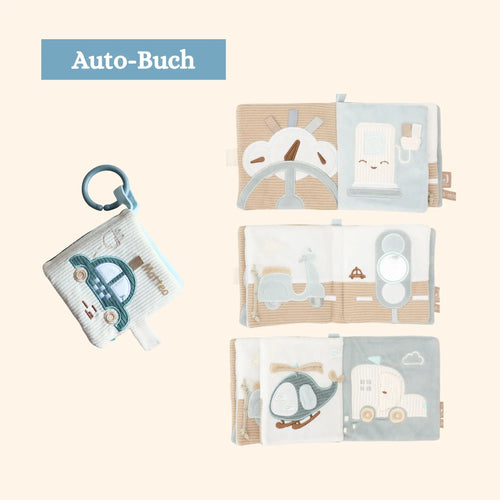
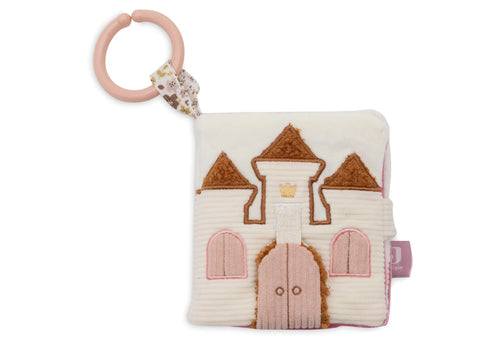
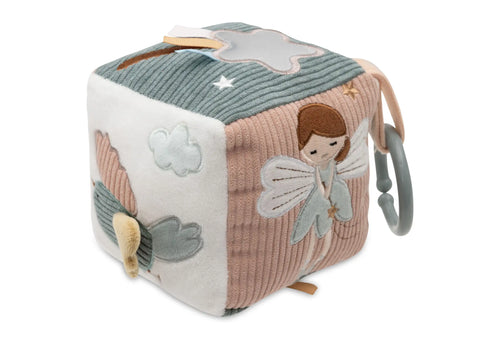
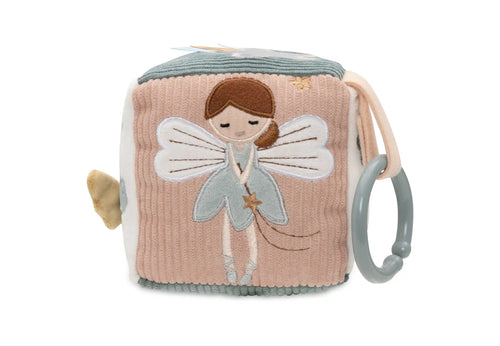
- Sensory touch books – Different textures invite you to touch and explore.
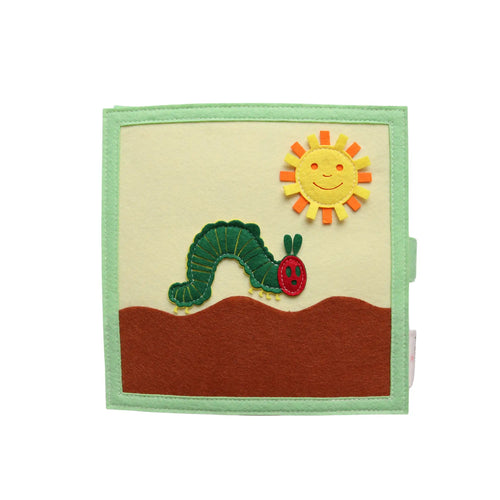
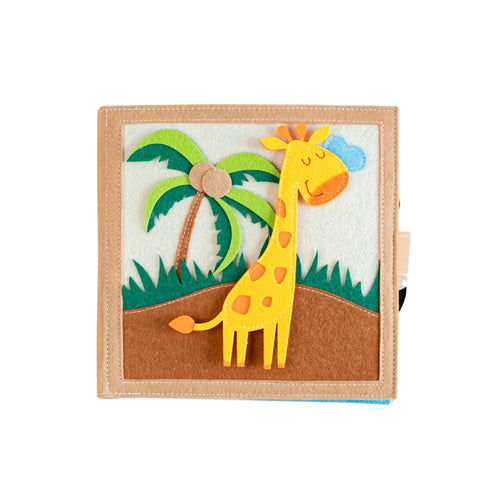
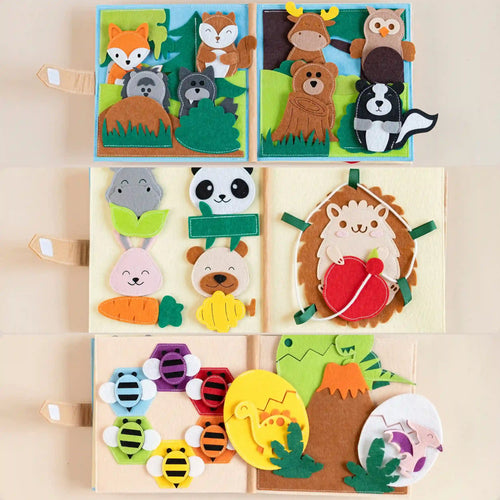
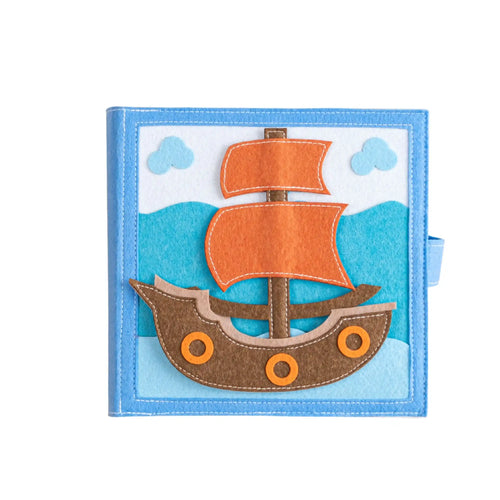
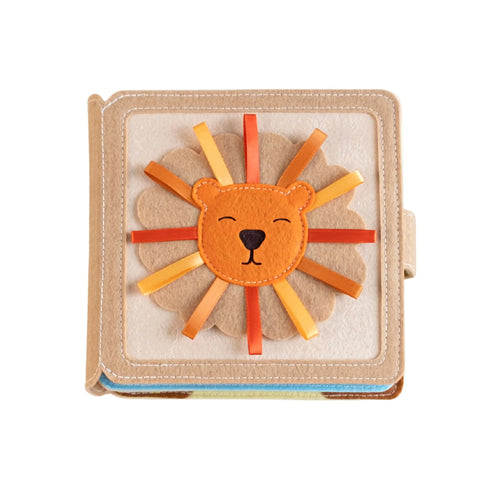
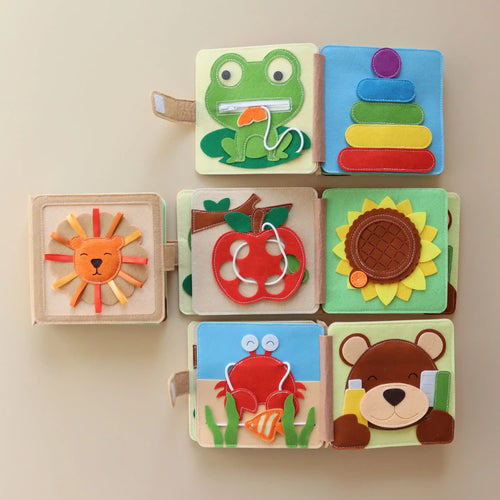
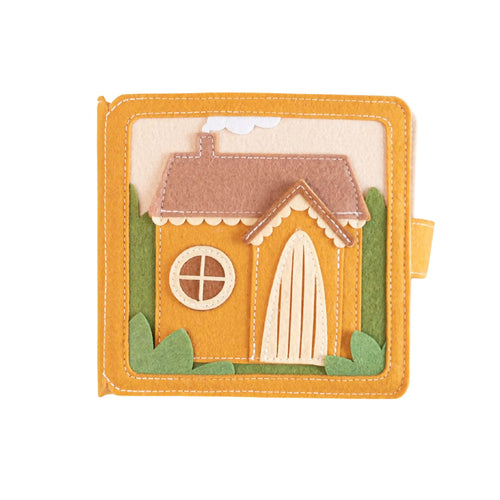
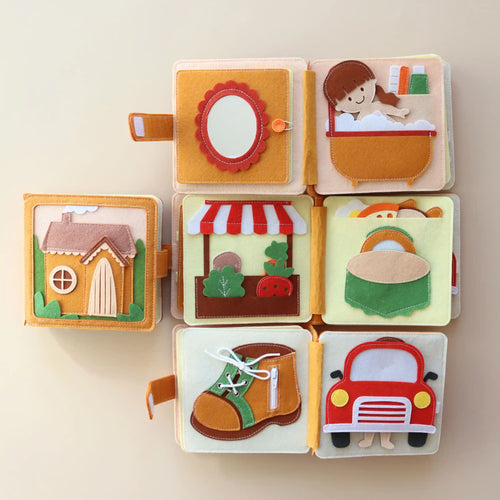
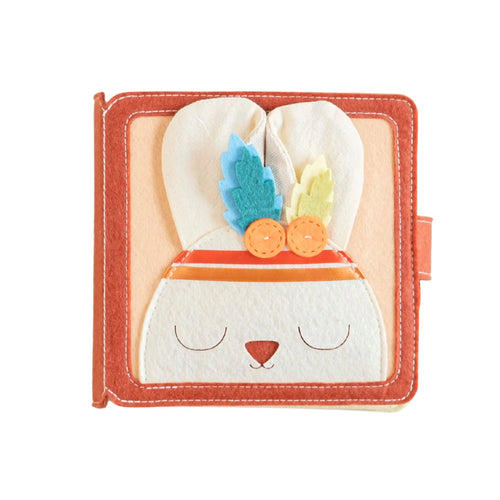
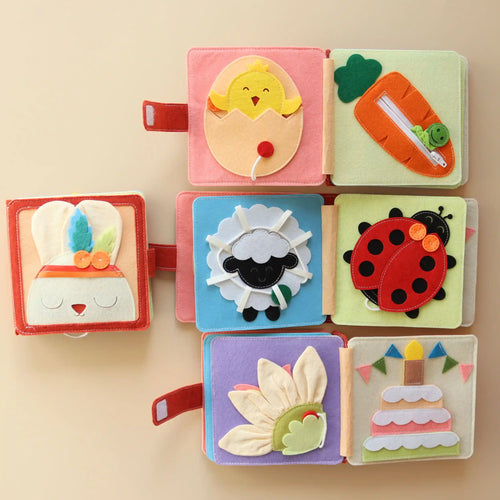
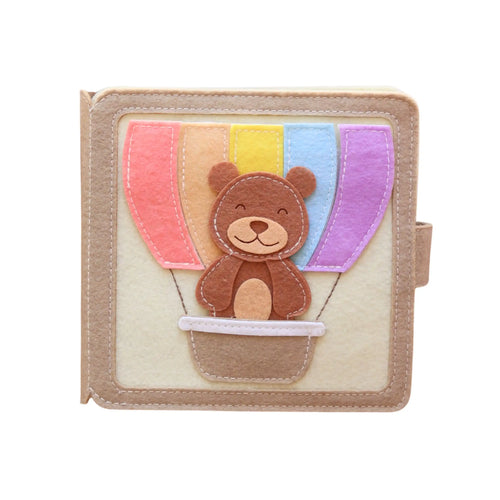
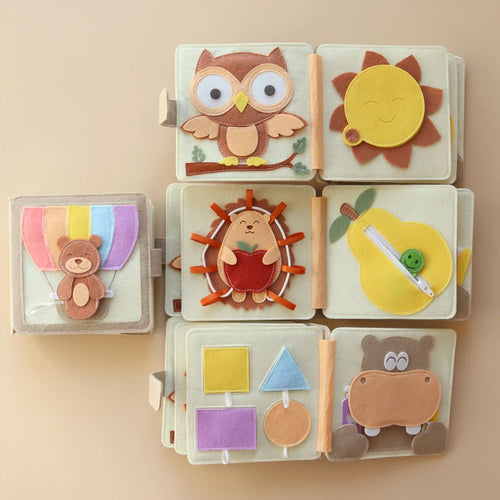
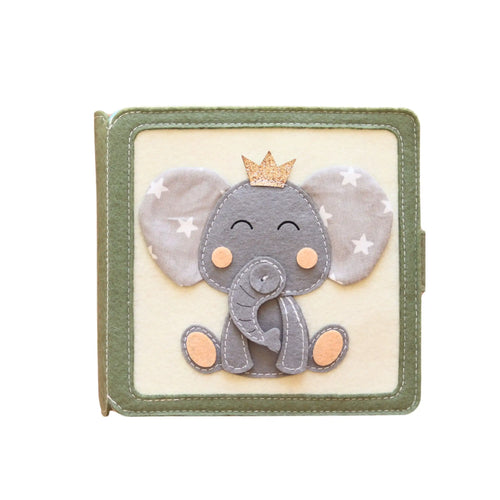
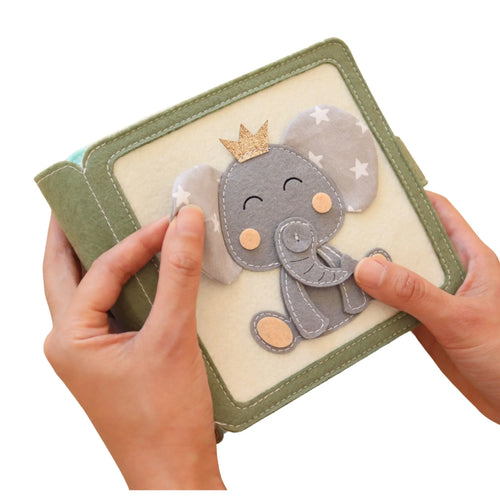
- Mini Quiet Books – Our handmade Mini Quiet Books (15 x 15 cm) are specially designed for babies from 3 months old. With colorful felt pages, different textures, and age-appropriate activities, they offer sensory stimulation perfectly tailored to this age. Whether elephant , bear , lion , or rabbit – each book offers 6 interactive pages to grasp and explore.
- Mobiles and grasping toys – visual stimulation and initial hand-eye coordination.
1–2 years: Active exploration and first challenges
Now your child is becoming more active and focused . They stack, sort, fit things together, and want to do everything themselves. Suitable Montessori toys:
- Wooden stacking and peg games – stacking rings onto a stick, sorting blocks by size. Develops spatial reasoning and fine motor skills.
- Simple puzzles – wooden puzzles with large handles and clear shapes. Ideal for hand-eye coordination.
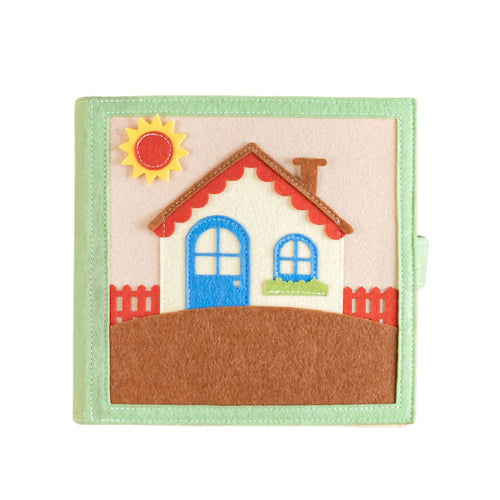
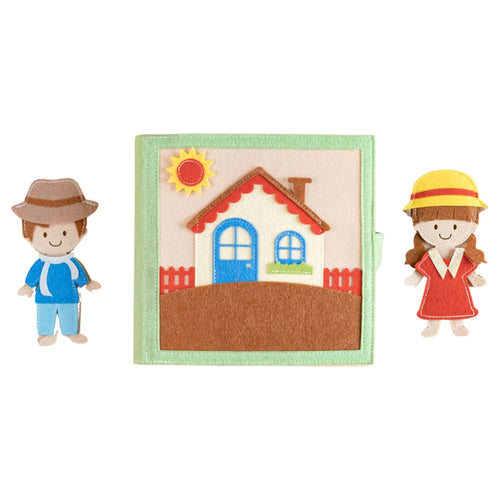
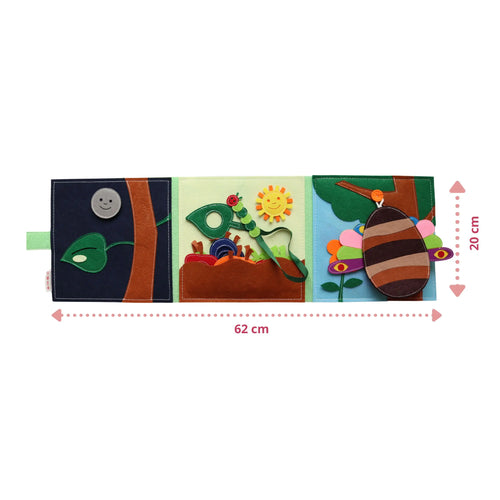
- Quiet Books – From 1 year old, Quiet Books are the perfect companion. They offer age-appropriate activities such as matching, practicing first fastenings, and recognizing shapes. Our Mini Quiet Book "My Home" incorporates familiar everyday situations and is ideal for the transition from 18 months.
- Practical life – Small brooms, watering cans, spoons: Everyday objects in child size are classic Montessori material and promote independence.
2–5 years: More complex tasks and role-playing
From age 2, the activities become more challenging. Your child will button, thread, cut, and begin to engage in role-playing. Suitable Montessori toys:
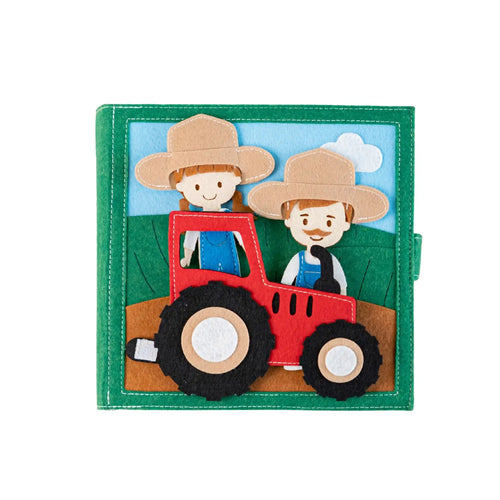
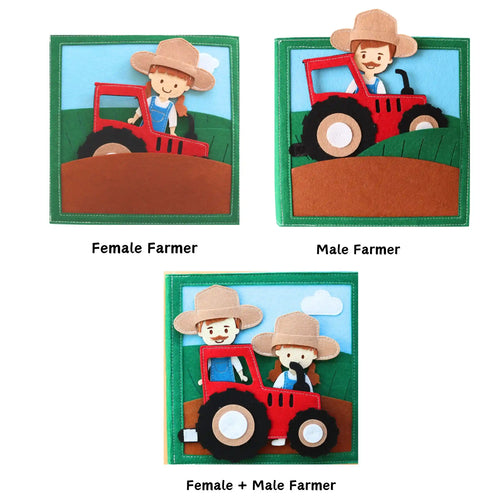
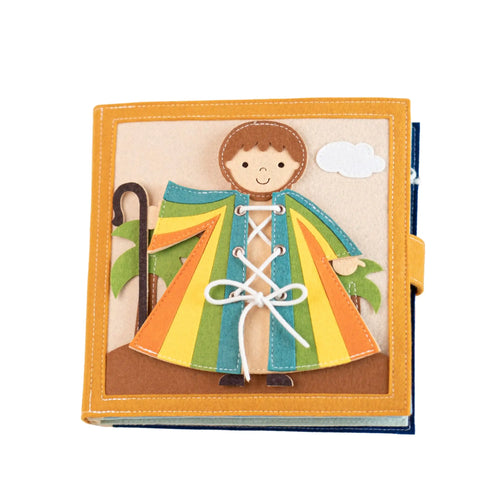
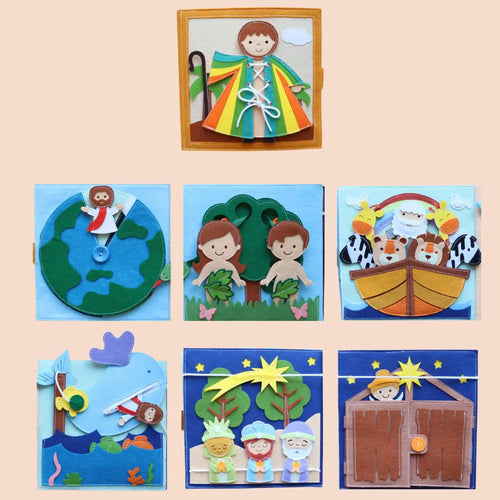
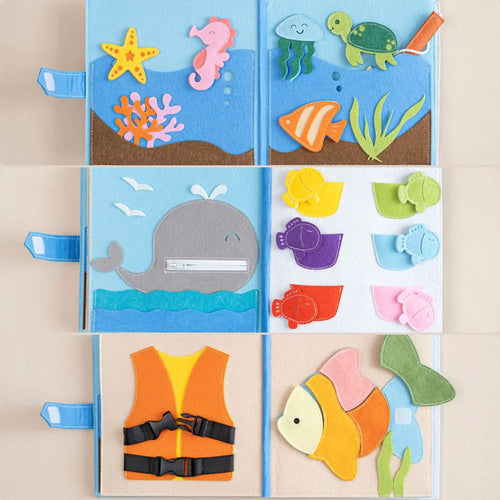
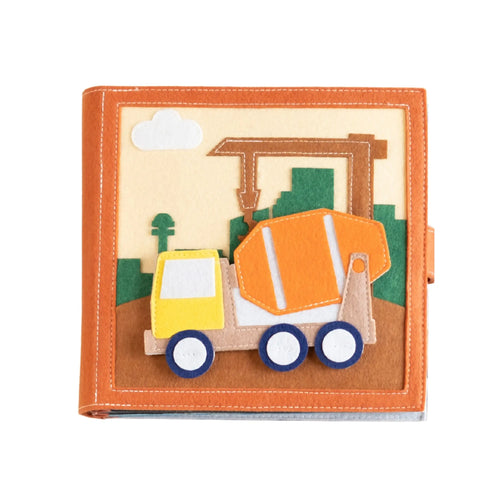
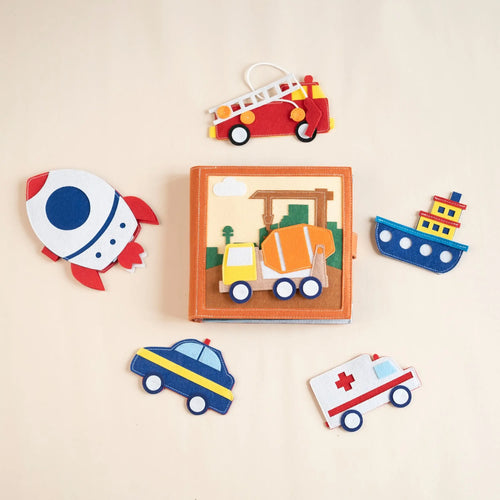
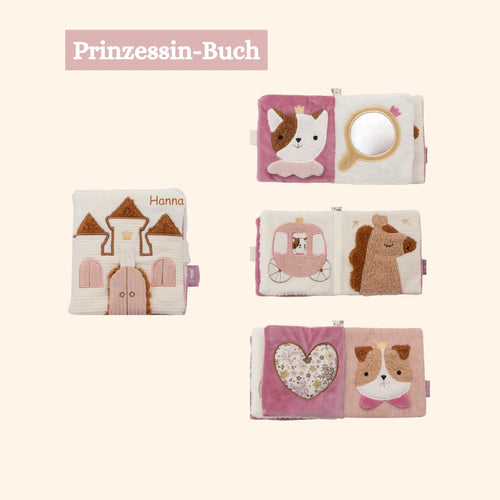
- Quiet Books – Our large Quiet Books (20 × 20 cm) offer more complex tasks: buttons, zippers, shoelaces, matching shapes, acting out stories. From the farm to the Three Little Pigs to dream jobs – the right book for every thirst for knowledge.
- Threading games and weaving looms – threading beads, weaving patterns. Trains fine motor skills, patience and concentration.
- Role-playing materials – play kitchen, toy shop, dress-up boxes. Children process their experiences and expand their vocabulary through role-playing.
- Creative materials – modeling clay, watercolors, children's scissors. Open-ended creative activities promote fine motor skills and creativity alike.

What you should consider when buying Montessori toys
The market is full of toys calling themselves "Montessori"—but not everything deserves the label. Use this checklist to help you make the right choice:
- Check the material: Opt for natural materials such as wood, felt, cotton, or fabric. Avoid plastic, cheap paints, and synthetic fabrics.
- Safety first: Look for CE marking, non-toxic materials, and age-appropriate design. No small parts that could be swallowed by babies and toddlers.
- Open play concept: Good Montessori toys do not prescribe a specific way of playing. Avoid toys with only one solution or electronic scoring (beep for "correct," red light for "incorrect").
- Without batteries or a screen: If it beeps, flashes, or has an on/off switch, it's not a Montessori toy. Genuine Montessori materials encourage active learning, not passive observation.
- Choose age-appropriate toys: Too easy = boring, too difficult = frustrating. Select toys that match your child's current developmental stage and slightly exceed it – for a motivating challenge.
- Less is more: Montessori recommends a manageable selection of toys that are regularly rotated. A few high-quality materials are preferable to an overcrowded children's room.
Quiet Books as Montessori Toys – Why they unite all the principles
Our Quiet Books are a prime example of genuine Montessori toys. They fulfill all five core principles:
- Natural materials: Handmade from high-quality felt – soft, safe, and comfortable for children's hands. No plastic, no synthetic fabrics.
- Open design: Each page offers different play options. There is no set order and no right or wrong. Your child discovers the activities at their own pace.
- Self-correcting: If the shape doesn't fit into the recess, or the button doesn't close, your child notices and tries again. This is how they learn through experience.
- Age-appropriate: From sensory exploration with the Mini Quiet Books (from 3 months) to complex tasks such as buttoning, threading and role-playing with the large Quiet Books (from 2 years) – the right challenge for every age.
- Screen-free: No light, no sound, no batteries. Just genuine interaction with real materials. This promotes concentration, fine motor skills, and creativity.
In addition, Quiet Books promote language development (through naming, storytelling, and everyday situations) and fine motor skills (through grasping, buttoning, threading, and matching). All this in a compact, handy book that can be taken anywhere.
Over 15,000 parents already trust Quiet Books from HABI Kids – with an average rating of 4.9 out of 5 stars . Learn more about Quiet Books as Montessori learning toys .
Frequently Asked Questions
What is the difference between Montessori toys and regular toys?
Montessori toys emphasize natural materials, open-ended play concepts, and screen-free activities. They foster independence and self-discovery, rather than dictating what a child should do. In contrast, many conventional toys rely on plastic, batteries, flashing lights, and predetermined play sequences.
At what age are Montessori toys suitable?
Montessori toys are suitable from birth – in age-appropriate forms, of course. For babies from 3 months old, we recommend sensory toys like our Mini Quiet Books . From 1 year old, stacking and peg games are added, and from 2 years old, more complex materials such as Quiet Books with buttons, zippers, and role-playing games are introduced.
Are Quiet Books genuine Montessori toys?
Yes. Quiet Books fulfill all five core principles of Montessori toys: natural materials (felt), open-ended play concept, self-correcting activities, age-appropriate design, and are completely screen-free. They promote fine motor skills, concentration, language development, and independence – entirely in line with Montessori pedagogy.
Can I make Montessori toys myself?
Generally, yes – many Montessori activities can be implemented with everyday materials: spoons and bowls for pouring, clothespins for sorting, buttons for threading (under supervision). However, for more elaborate materials like quiet books, it is recommended to purchase from specialized manufacturers, as the workmanship, safety, and educational design are professionally ensured.
How much Montessori toy does my child need?
Less is more – that's a central Montessori principle. Instead of an overflowing children's room, a small, carefully selected collection of 5–8 materials, rotated regularly, is recommended. This keeps interest fresh and allows your child to concentrate on what's essential. One or two quiet books plus a few wooden toys and everyday materials are perfectly sufficient.
Conclusion: Montessori toys – less toys, more development
Montessori toys are not a trend, but a proven philosophy that has supported children's development for over 100 years. They emphasize natural materials instead of plastic, independence instead of instruction, and genuine tactile exploration instead of screen time.
If you're looking for a toy that combines all these principles in one product, our handmade Quiet Books are the perfect choice. They promote fine motor skills, language, concentration, and independence – and accompany your child from their first attempts at grasping objects until preschool age.
Discover the perfect Montessori toy for your child now – at HABI Kids .