




Choosing Fine Motor Skills Toys for 1 Year Olds
Share
Around one year of age, an astonishing amount happens through play: small hands want to grasp, pull, turn, insert, and remove. That is precisely why fine motor skill toys for 1-year-olds are more than just entertainment. They support important developmental steps in everyday life - from the precise pincer grasp to improved hand-eye coordination.
Many parents quickly notice during this phase that while noisy light-up toys briefly fascinate, they often leave little room for true exploration. Children at this age learn primarily through repetition, through touching, and through small successes. A well-chosen toy can therefore be simple, as long as it keeps hands busy and allows the child to be active.
What fine motor skills at 1 year old truly mean
Fine motor skills sound technical at first, but in family life they are very tangible. They refer to the small, precise movements of fingers, hands, and wrists. A one-year-old child might pick up raisins with two fingers, try to turn pages, pull tabs, or put a ring on a stick. These are not minor matters, but building blocks for later skills like drawing, dressing, or safely using cutlery.
It is important to remember: development does not proceed the same way for every child. Some children love shape sorters early on, while others spend more time opening and closing or pushing objects back and forth. Good toys for this age group do not force a specific outcome but invite exploration.
What kind of fine motor skill toys are useful for 1-year-olds
A toy is useful if it enables a clear action and allows the child to achieve something independently. Materials that encourage pulling, buttoning, inserting, sorting, or turning are particularly suitable. A toy does not have to be complicated. On the contrary: the clearer the task, the easier it is for a toddler to concentrate on the movement.
A classic example is simple shape sorters with large shapes. They train not only dexterity but also patience and spatial understanding. Stacking rings, sliding elements, large puzzles with handles, or soft activity books also have their place at this age. The crucial thing is that the elements are easy to grasp, safely made, and appropriately sized for the age group.
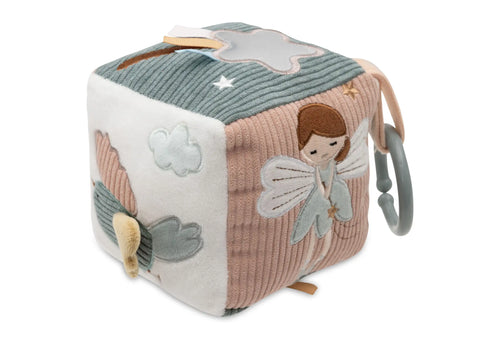
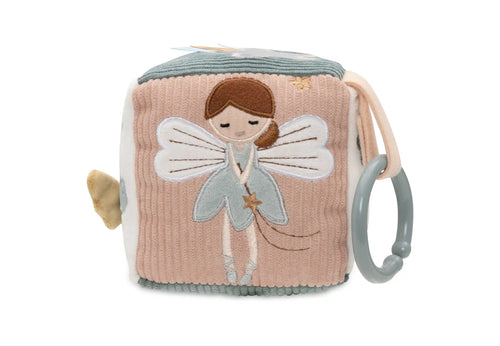
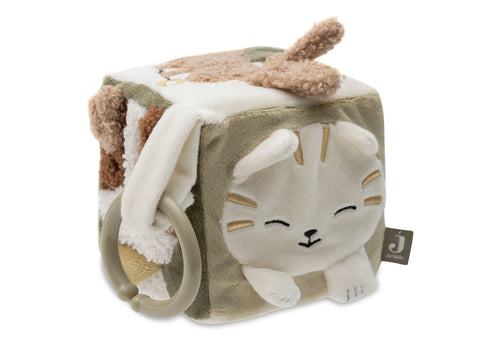
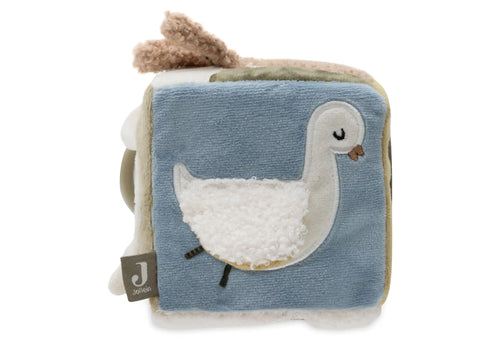
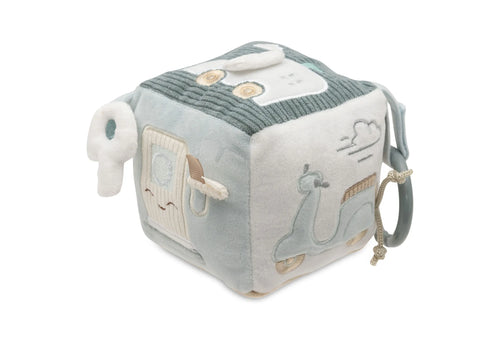
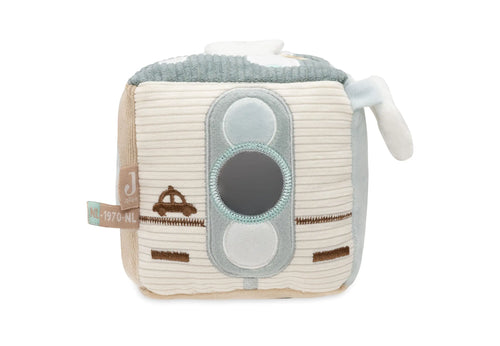
Especially soft, handmade activity materials have a particular advantage: they are calming. Instead of flashing or making noise, they direct attention to the movement itself. This supports focused play - at home, on the go, or in moments when children need gentle, screen-free engagement.
Busy books for fine motor skills from age 1
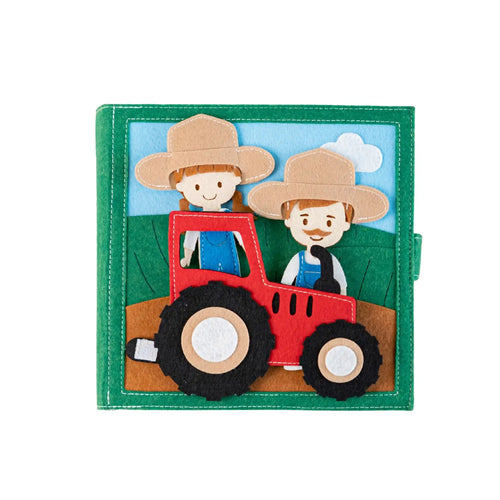
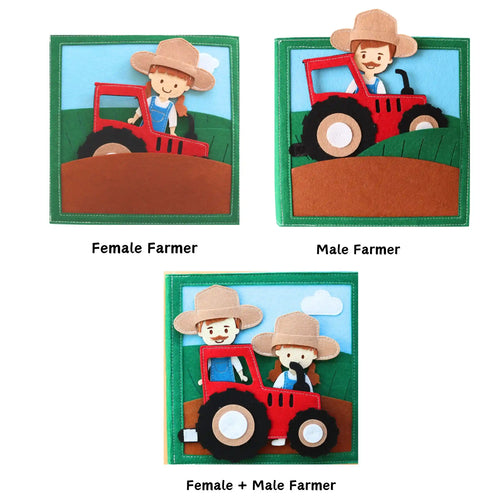
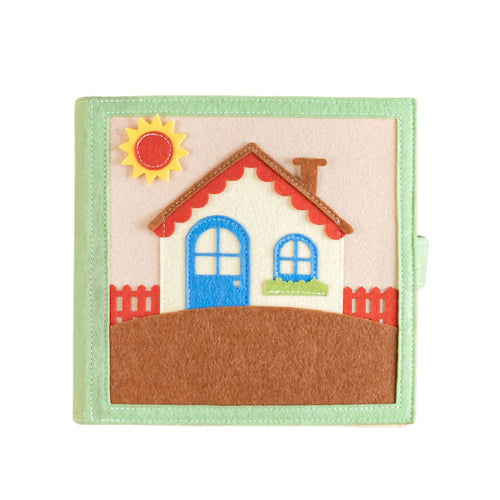
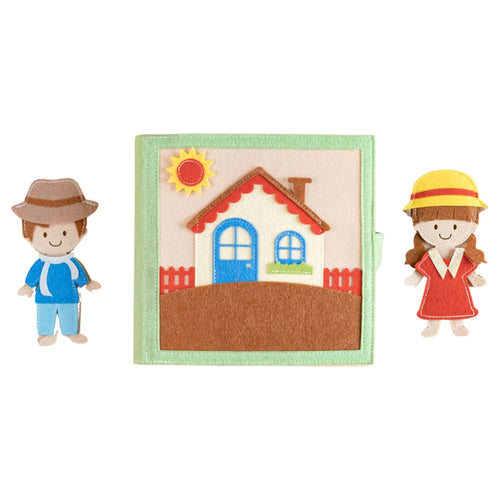
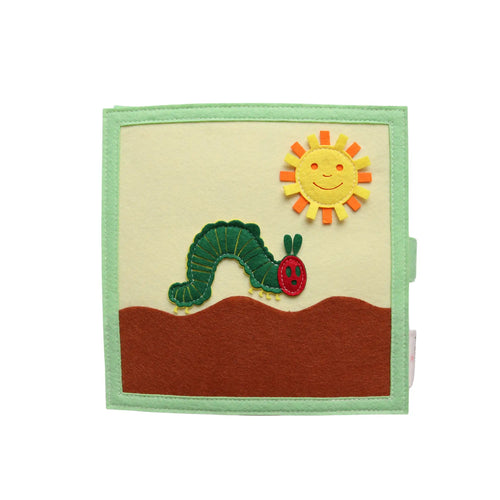
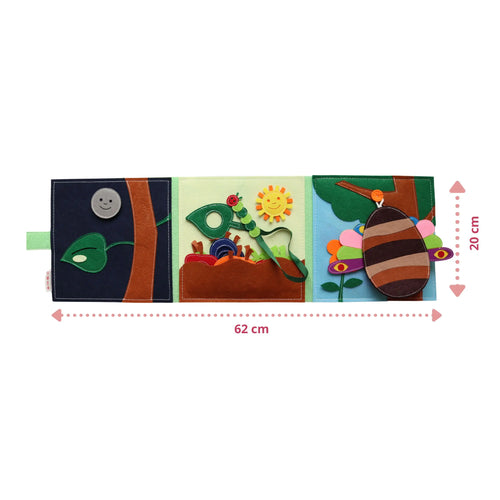
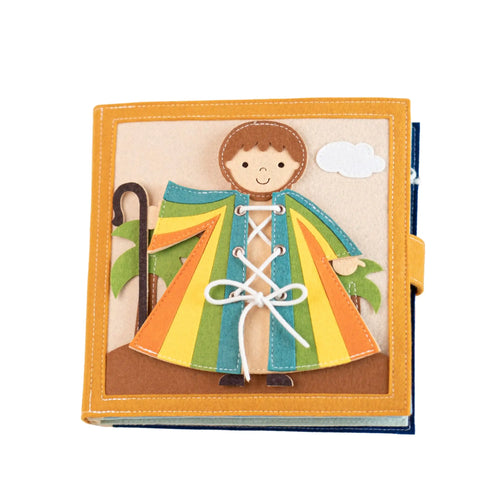
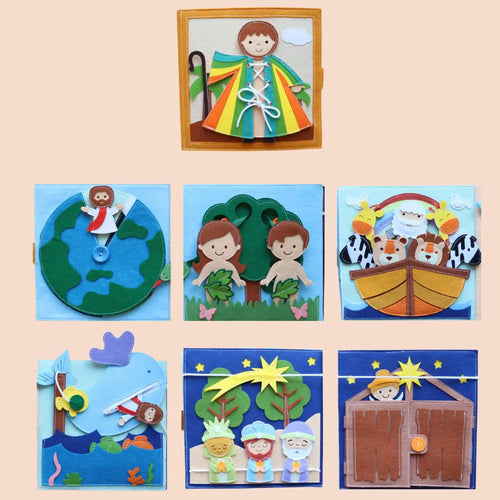
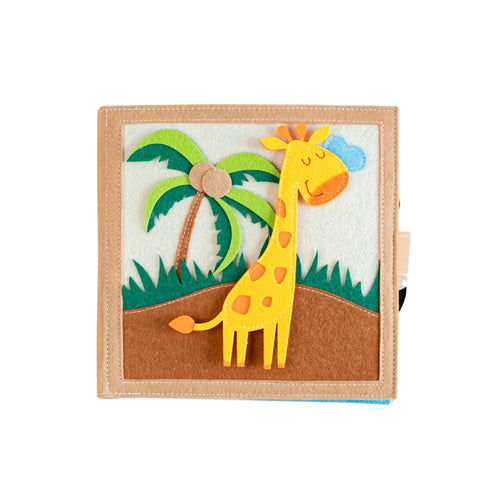
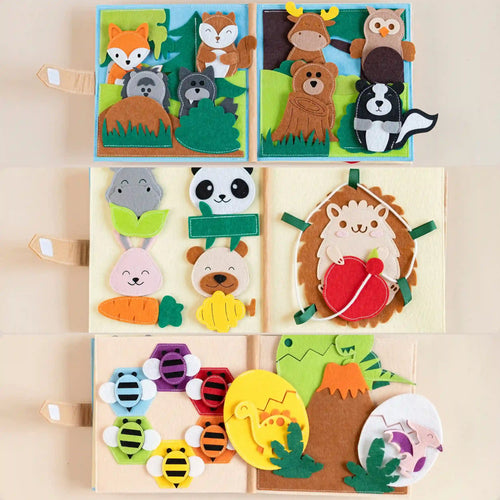
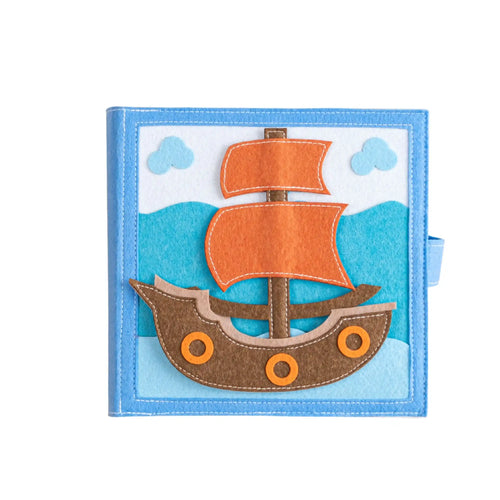
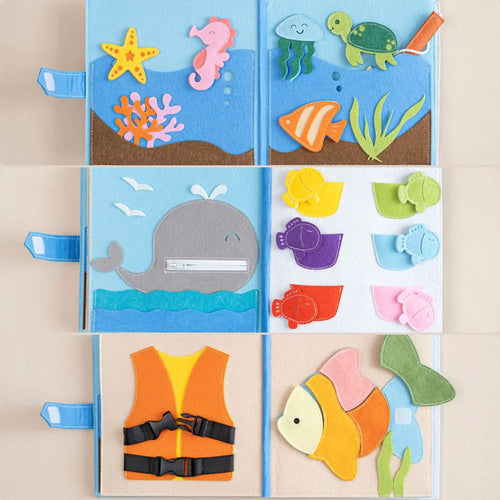
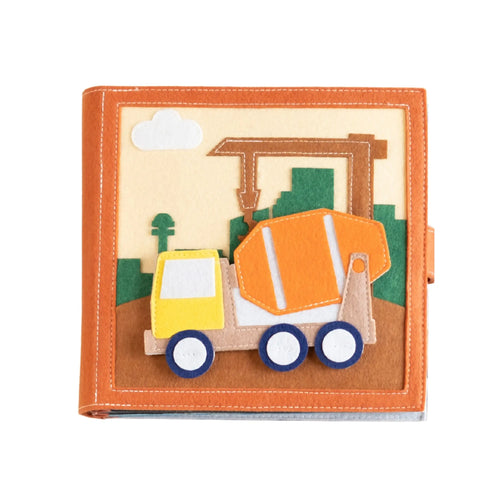
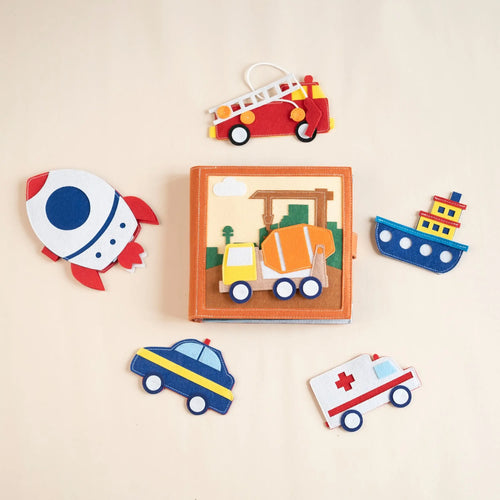
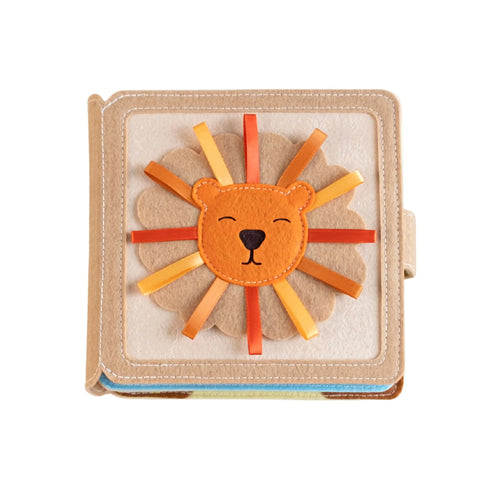
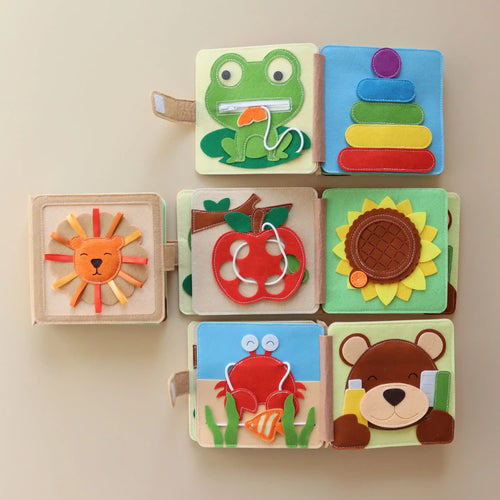
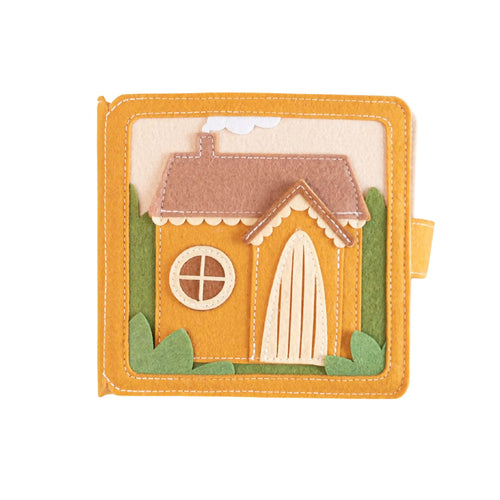
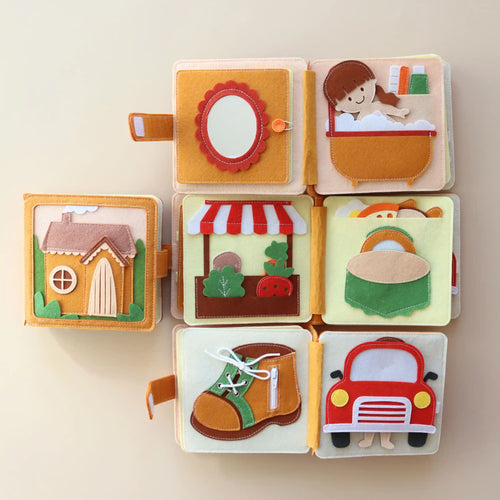
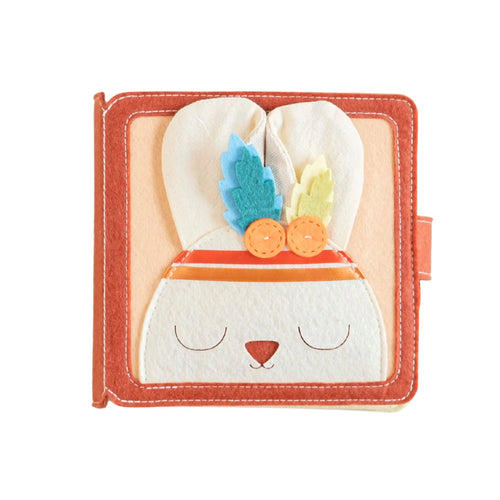
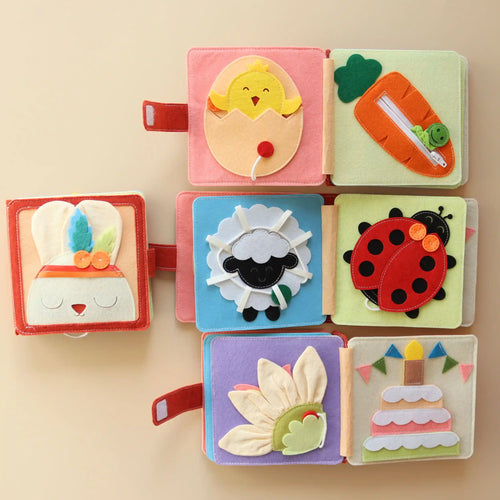
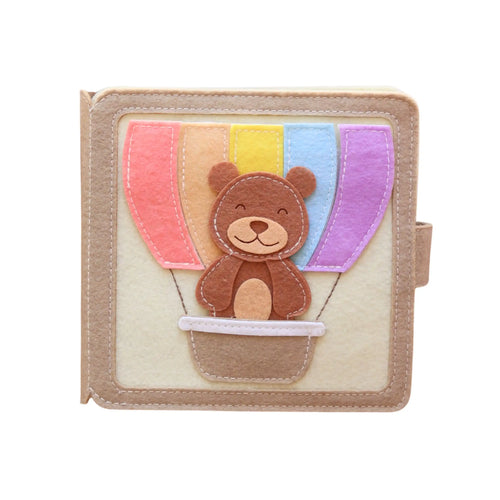
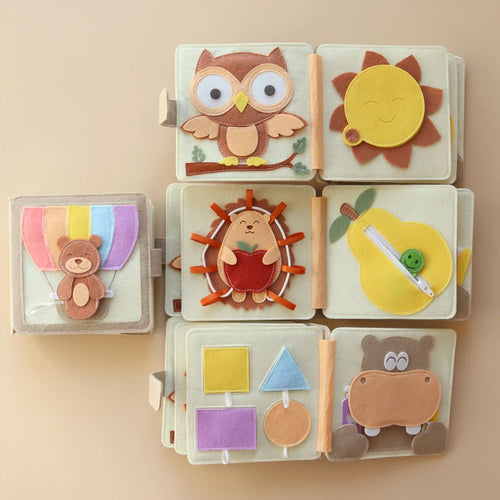
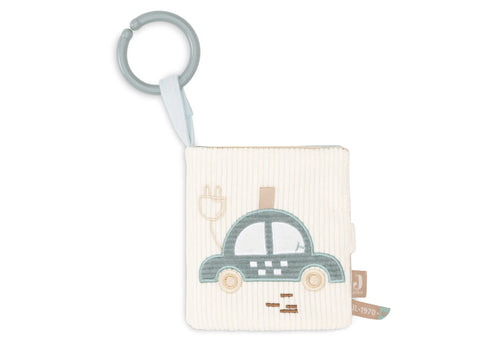
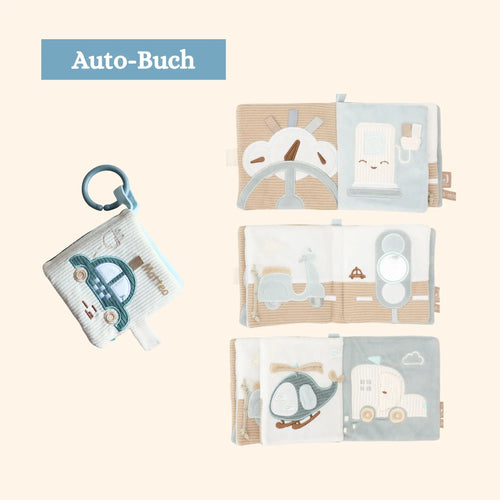
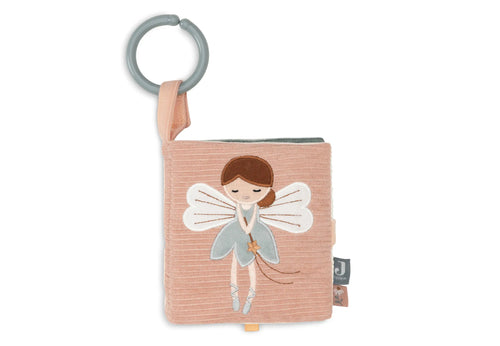
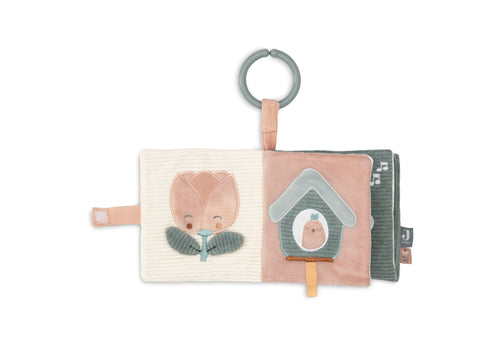
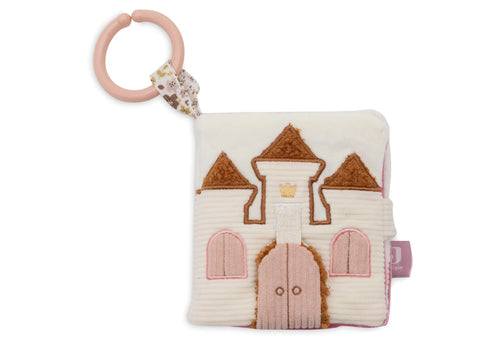
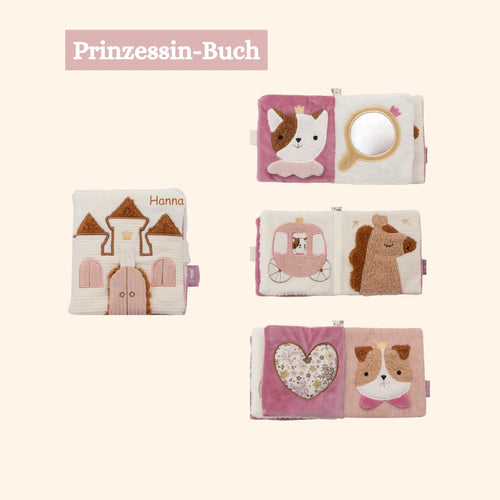
A soft busy book can be a useful fine motor skills toy from around age 1 because it lets children practise small hand movements in a calm, playful way. Opening Velcro, moving small felt pieces, matching shapes, turning pages, and using both hands together all support coordination, finger strength, and hand-eye coordination.
For younger children, start with simple baby activity books or mini quiet books that are easy to hold and repeat. As your child grows, busy books for toddlers can introduce more advanced fine motor activities such as buttoning, sorting, matching, and pretend-play routines.
Good play ideas for little hands
Toys with loops, zippers, hook-and-loop fasteners, large buttons, or felt pieces to remove and reinsert are very suitable. Such elements address several developmental areas at once. The child trains finger strength, movement planning, and often their perception of shapes, colors, or sequences.
Everyday relevance also plays a role. If a toy incorporates movements that children will later need in real life, it is particularly valuable. Opening, closing, sorting, fastening, or putting something in a bag - these are all small actions with a big learning effect.
What is often overestimated
Not every toy with the label "educational" is automatically helpful. Too many effects, noises, or intrusive functions can make children more passive. If pressing a button immediately triggers music, lights, and movement, there is often little real work left for the hand.
Toys with parts that are too small, surfaces that are too smooth, or unclear functions are usually not a good choice at this age. A one-year-old child needs tangible feedback. They want to feel that a tab can be pulled or that a part really fits. This direct experience is often more valuable than any additional effect.
What parents should look for when buying
For fine motor skill toys for 1-year-olds, safety comes first. Parts should be large enough, seams stable, materials free of harmful substances, and surfaces pleasant to grasp. Especially if toys regularly end up in the mouth, it quickly becomes clear whether quality has truly been considered.
In addition, it is worth considering the question: Can my child be actively involved here? A good fine motor skill toy does not need constant explanation. It should spark curiosity but not overwhelm. If a child, after a brief observation, starts pulling, inserting, or opening on their own, the level is usually a good fit.
Longevity is equally important. In many families, the best toys are not the most flashy ones, but those that children return to again and again for months. This is particularly true for open-ended, tactile play ideas with several small tasks instead of just a single function.
Calm activity instead of overstimulation
Many parents are not only looking for developmentally stimulating toys but also something that truly fits into family life. In a restaurant, on a plane, in a waiting room, or during a quiet play period at home, a compact, quiet toy is worth its weight in gold. This is precisely where fine motor skill activity materials show their strength.
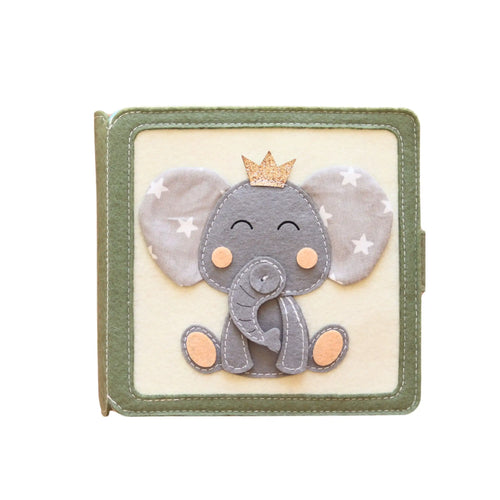
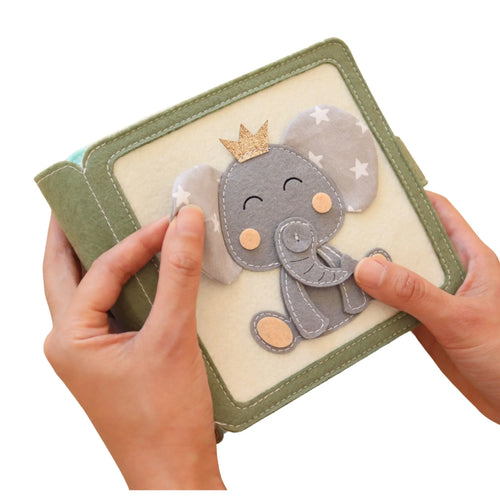
A lovingly designed activity book or quiet book can work very well at this age - provided the content is simple enough. Large hook-and-loop parts, easy-to-grasp shapes, small flaps, or simple matching games invite participation without overwhelming. At the same time, the play remains calm and focused. For many families, this is not only practical but also soothing.
At Habi Kids, this very idea is central: hands-on play, focused discovery, and thereby strengthening important skills along the way. Especially for parents and gift-givers looking for something beautiful with real utility, this is a compelling approach.
When is a quiet book suitable?
That depends on the design. Not every quiet book is automatically suitable for one-year-olds. Models with very small parts or complex tasks often suit older toddlers better. For children aged 1 year and up, soft books that offer simple motor stimuli are ideal: loosening something, fastening something, pulling something out, or putting a shape in its place.
The advantage lies in the combination of haptics, clarity, and flexibility. Unlike many rigid toys, children can discover page by page. This feels less overwhelming and helps them concentrate on one movement at a time. Particularly sensitive children often benefit when play offerings are clear and calmly structured.
If you want a broader checklist before buying, read our guide to choosing a busy book for toddlers.
How to recognize age-appropriate fine motor skill toys for 1-year-olds
A toy is age-appropriate if it offers small challenges but allows for quick successes. A child at this age should not sit frustrated next to it but should relatively quickly understand what they can do. This does not mean that everything has to work immediately. A little effort is part of it. But the task should remain visible and achievable.
Look for large, easy-to-grasp elements, simple movements, and clear design. Less is often more. If too many colors, figures, or functions compete for attention on a play surface, the actual benefit is easily lost.
The material also makes a difference. Wood feels valuable and stable, felt soft and quiet, silicone grippy and easy to clean. Which variant fits better depends on the child and the place of use. For on-the-go use, light, quiet materials are often particularly pleasant. For daily use at home, something a little more robust is fine.
Meaningful gifting
Those looking for a gift for a one-year-old child usually do not want to give any toy that ends up in the corner after two days. That is why gifts that look nice, are well-made, and at the same time have a real developmental benefit are particularly popular. Fine motor skill toys fulfill exactly this wish - if chosen carefully.
For grandparents, godparents, or family friends, this is often a good balance between practical and special. A high-quality, handmade toy feels personal and shows that you have not just bought anything. In the best case, it accompanies not just a moment of unwrapping, but many small learning situations in everyday life.
Do not choose perfectly - choose appropriately
In the end, the best toy does not have to be the one with the most functions, but the one that suits the child. A curious, active child may respond to different stimuli than a cautious, observant one. Some love shape sorters, others prefer to repeatedly open pockets, tabs, or fasteners. This is not a sign that one toy is better than another. It only shows how individually development progresses.
If you pay attention to safety, clear play actions, high-quality materials, and quiet engagement, you usually make a good choice. Little hands do not need a flood of stimuli. They need something that feels good, meaningfully challenges them, and repeatedly makes them want to try again.
Sometimes the most beautiful toy is precisely the one where a child becomes completely still, looks intently, and with a serious face masters a small button, a loop, or a shape for the very first time all by themselves.