




Toys for long car rides with toddlers
Share
The first 40 minutes often go surprisingly well. Then the mood in the backseat shifts, the snacks are half gone, and the same question comes for the fifth time: Are we there yet? This is exactly where well-chosen toys for long car rides with toddlers make a real difference - not as noisy distractions, but as quiet, thoughtful activities that challenge small hands and keep little minds engaged.
When packing for a longer trip, you primarily need one thing: toys that really work in the car. That sounds obvious, but it isn't. Many things that are popular at home quickly become impractical on the go. Parts fall off, noises become annoying after ten minutes, and some things overwhelm children precisely when they are already tired or sensitive to stimuli. Good travel toys are therefore not simply "popular," but suitable for the situation.
What makes good toys for long car rides with toddlers
In the car, it's less about entertainment in the classic sense and more about a clever mix of familiarity, independence, and quiet engagement. Toddlers rarely concentrate on a single thing for long periods on long journeys. What helps are materials that contain several small tasks and can be used without much help from parents.
Toys that promote fine motor skills are particularly valuable. Buttoning, pulling, sorting, fastening, matching, or pushing often occupies children longer than flashing effects. There is a simple reason for this: the hands work, the mind remains active, but the child is not overstimulated. This balance is especially helpful on car journeys.
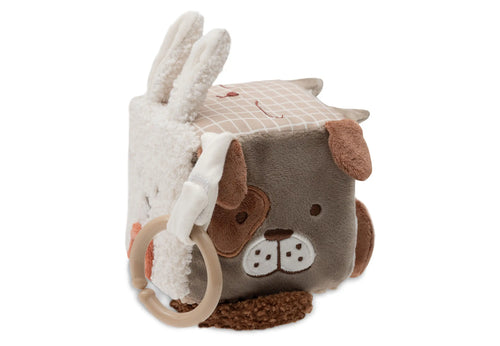
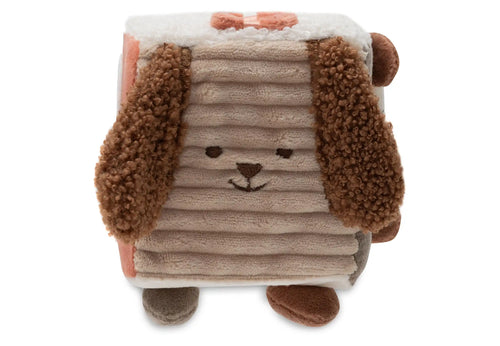
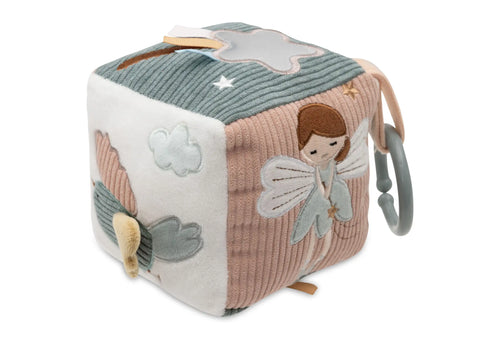
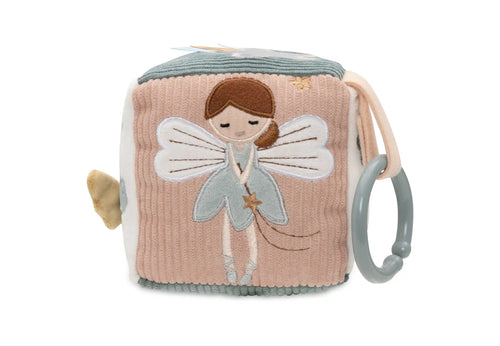
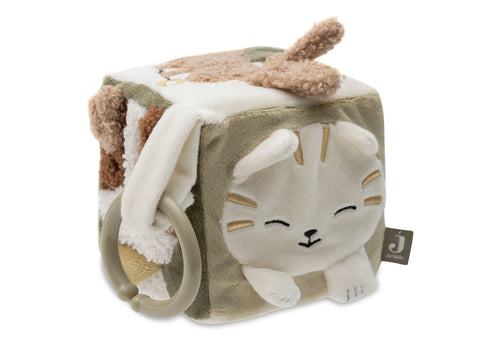
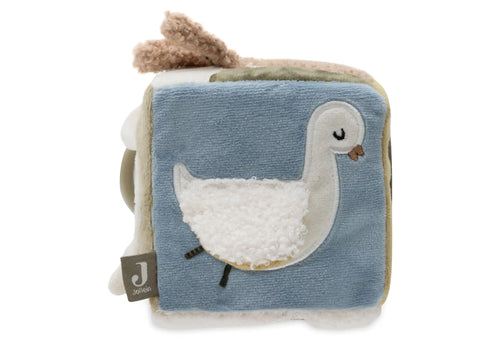
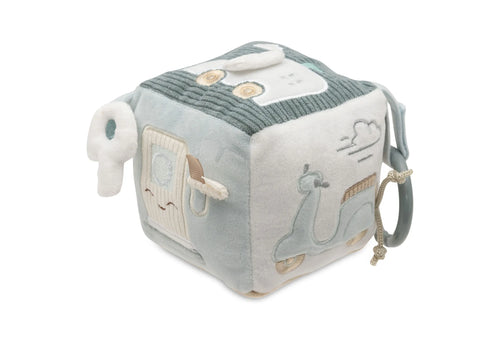
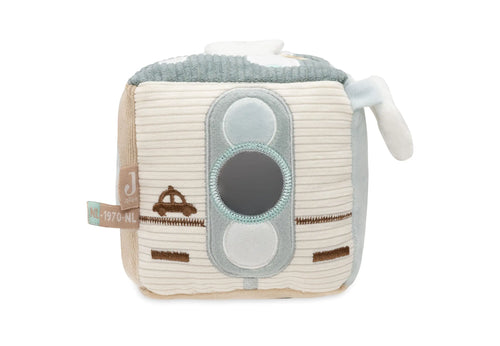
Tactile feel also plays a big role. Soft materials feel pleasant, make no noise, and are safer than hard, heavy objects. If something falls, it is less problematic. And if a child dozes in the seat, soft toys do not disturb them.
What types of travel toys are really useful
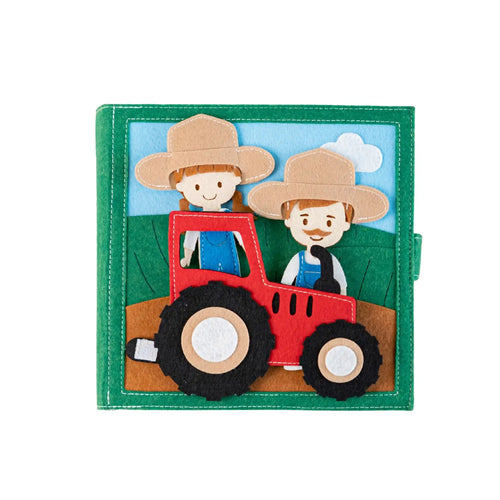
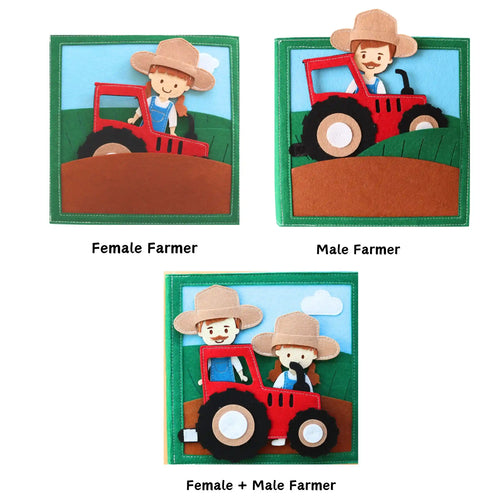
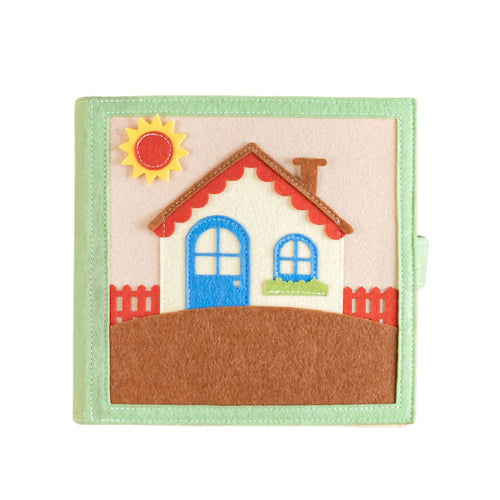
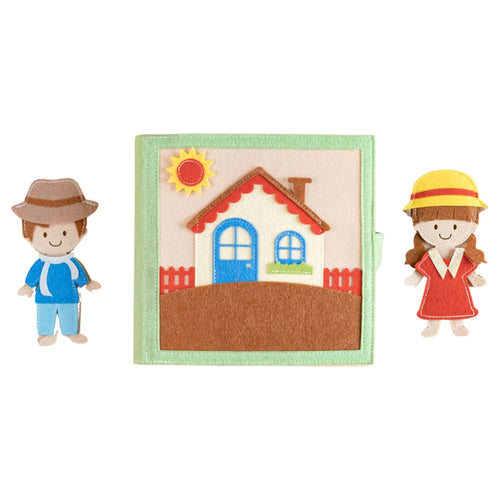
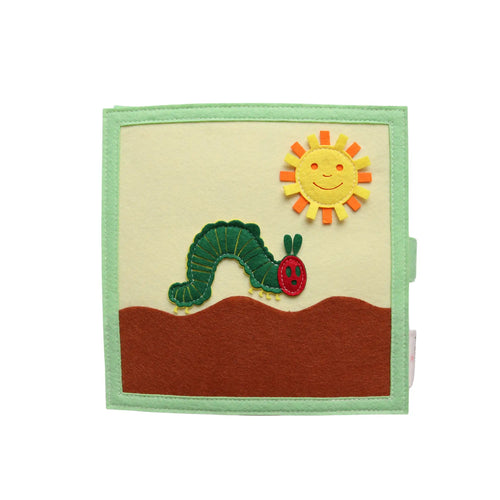
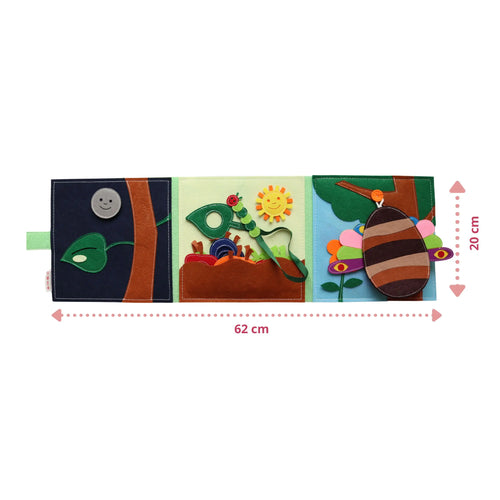
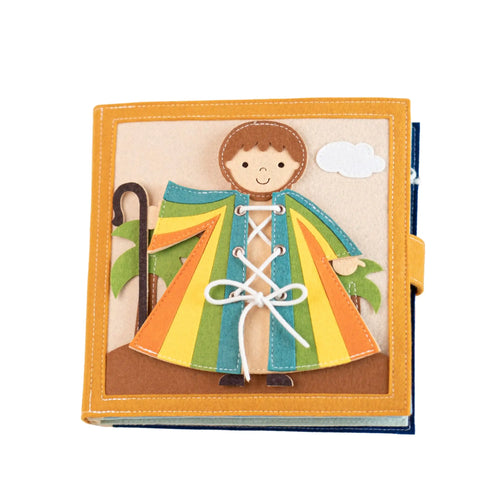
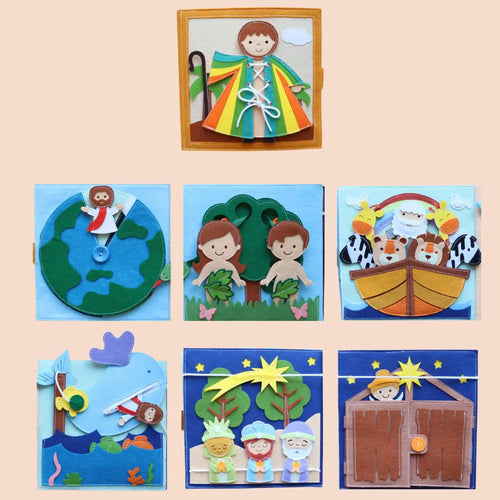
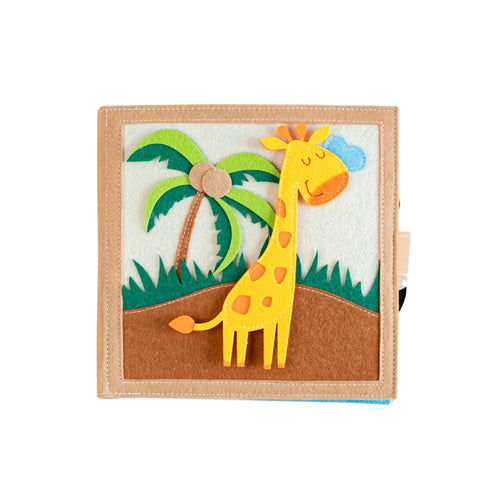
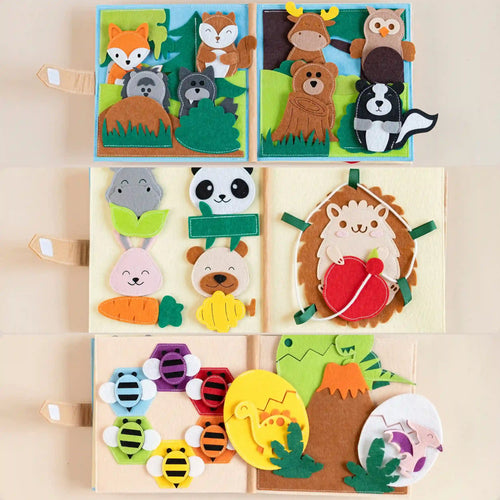
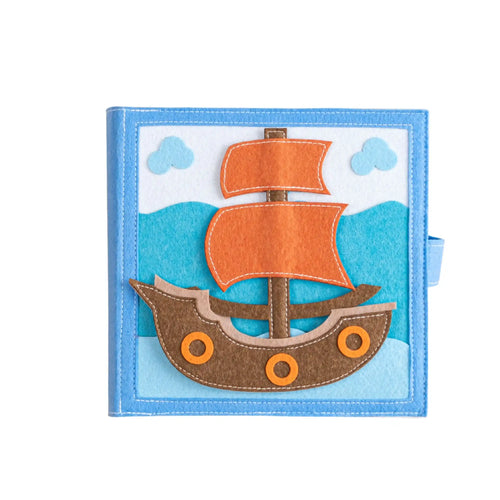
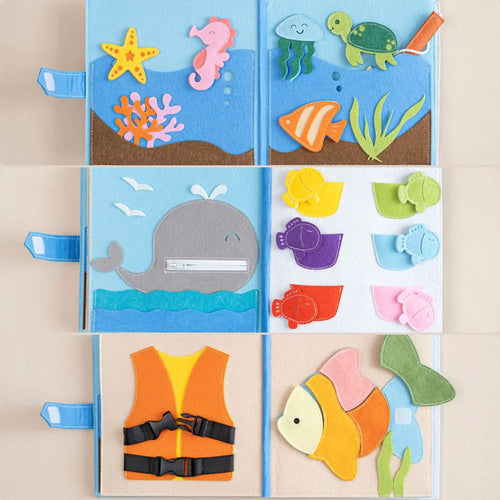
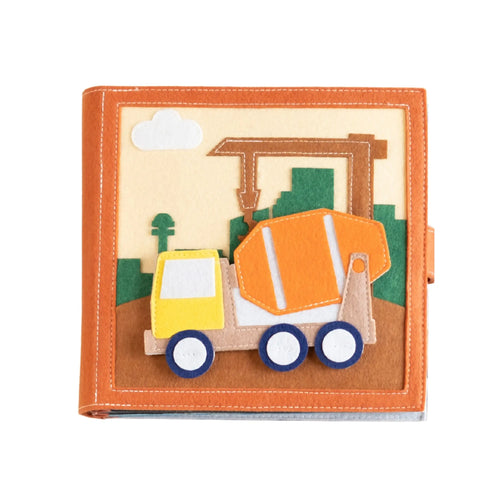
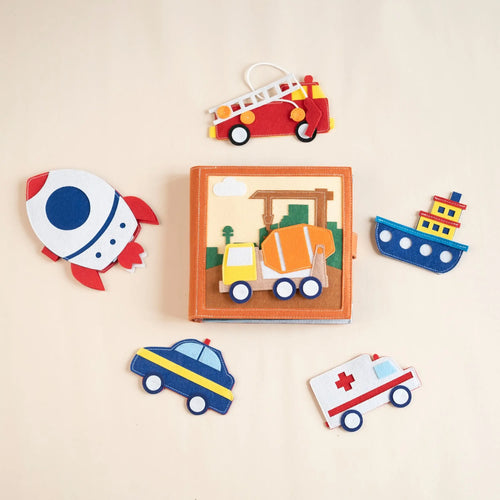
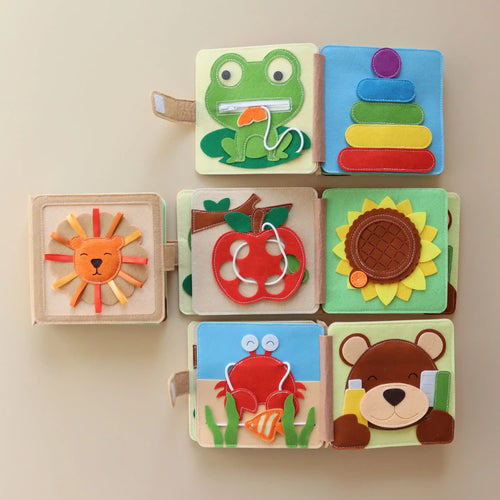
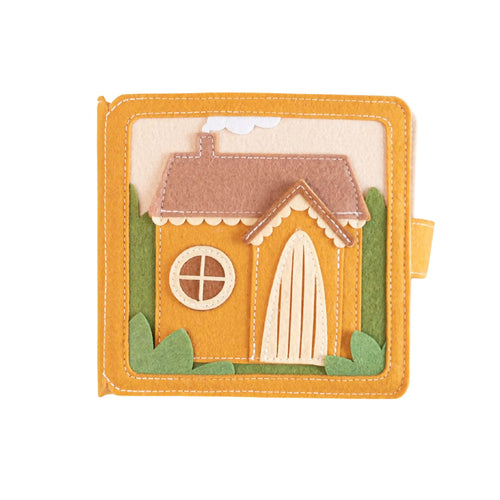
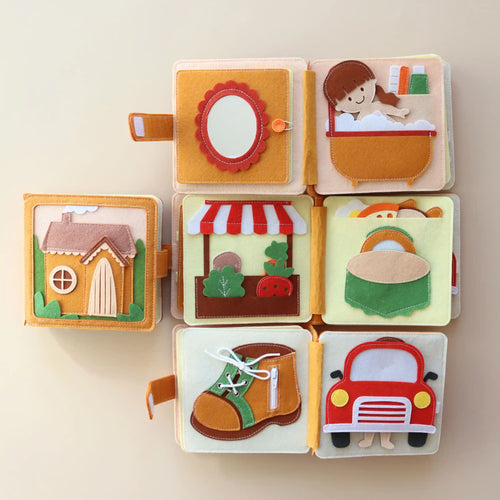
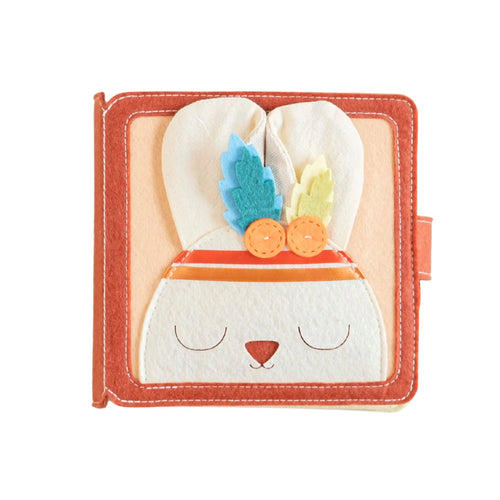
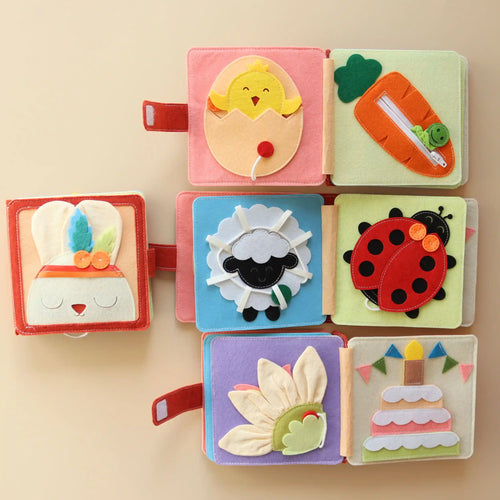
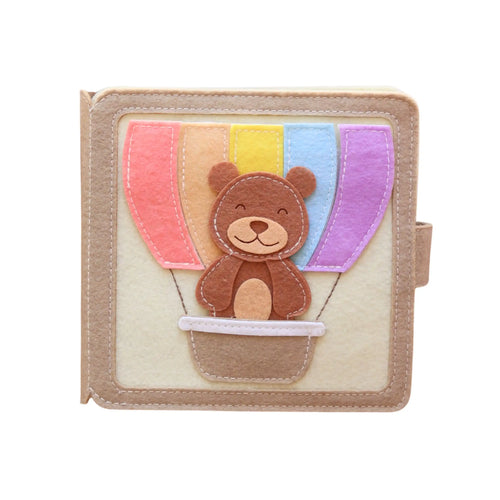
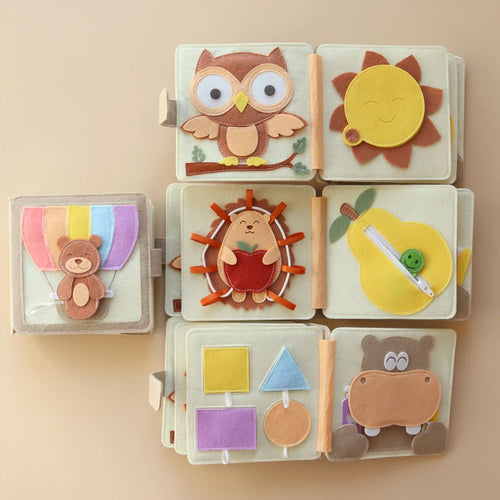
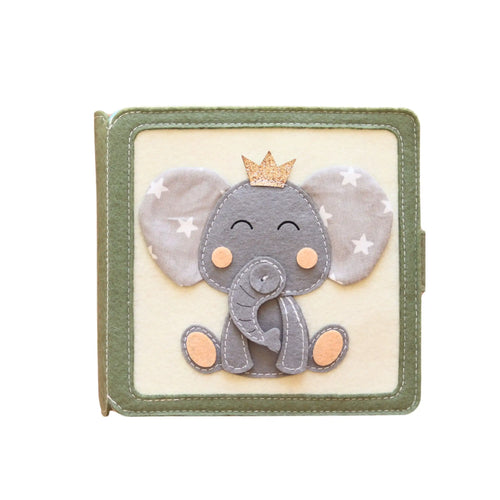
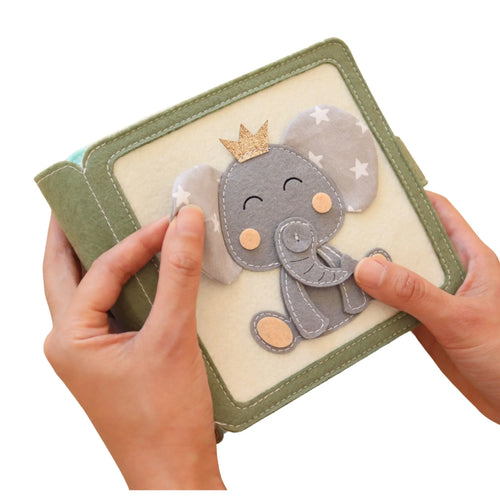
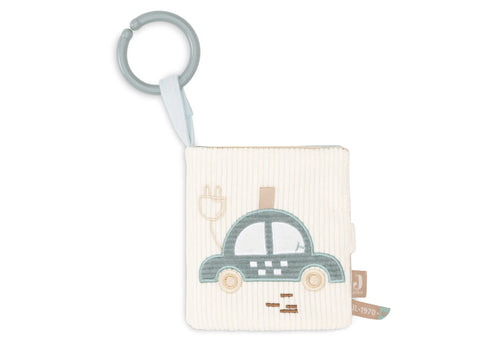
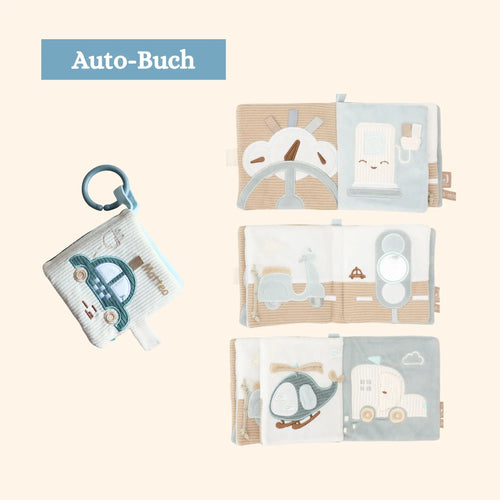
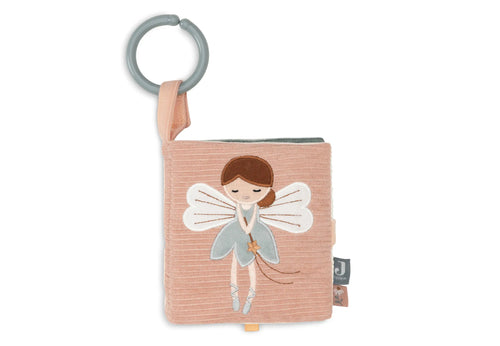
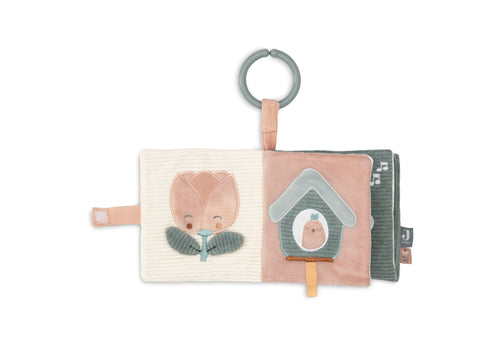
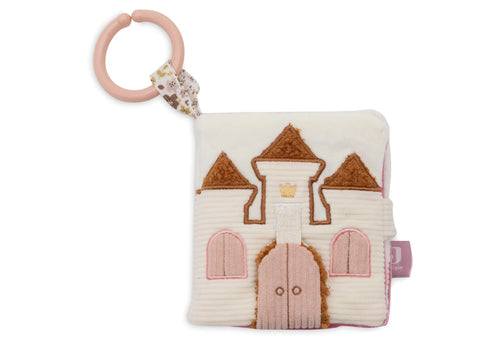
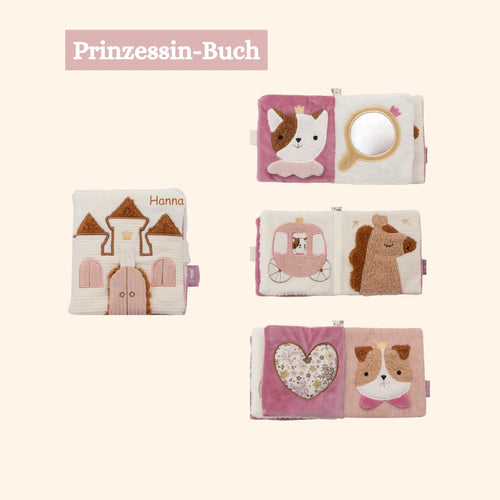
Quiet books for kids are among the most thoughtful solutions for on the go. They combine several small activities in a compact format and fit very well in the car. Children can open fasteners, match shapes, discover colors, move flaps, or re-enact simple everyday situations. This may sometimes seem simple to adults, but for toddlers it is often exactly right. The tasks are tangible, manageable, and repeatable - ideal for time in the backseat.
The great advantage is that a good quiet book does not only occupy a child, but also supports development. It trains fine motor skills, concentration, and initial problem-solving without feeling like "learning." For parents, it is also pleasant that such books are quiet and usually do not have loose small parts scattering through the car. Families who value durable, beautiful, and thoughtfully designed activities will find a solution here that remains useful far beyond a single trip.
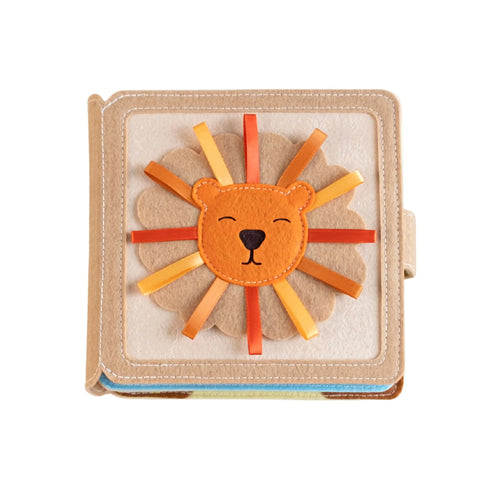
For long journeys, a mini quiet book for travel is especially practical. It is smaller, easier to pack, and simple for toddlers to hold in their car seat. If your child is already ready for more variety, a busy book for toddlers can offer more detailed pages with fine motor activities, colors, animals, shapes, or daily routines. For younger children, start with softer, simpler baby activity books that are easy to grasp and not overwhelming.
Sticker books with reusable elements can also work well, but only if the stickers are large enough for small hands and do not stick everywhere. For some children aged around two years and up, this is a nice activity, but for younger toddlers it is often still too fiddly. So it depends heavily on the child's developmental stage.
Magnetic games are also popular because the pieces stay in place better. Nevertheless, it is worth taking a close look. Very small magnets or complex game boards are unsuitable for younger children. Simple sets with a few clear motifs that allow for success rather than frustration are better.
Small picture books still have their place in the car, especially if they offer flaps, tactile elements, or clear everyday themes. They do not replace active toys, but they can wonderfully accompany a quiet phase. For some children, a familiar book is even the best transition between playing, snacking, and sleeping.
Choosing toys for long car rides with toddlers by age
Not every travel toy suits every child. Between a one-year-old and a three-year-old, there are often big differences in attention span and motor skills.
For children aged around 12 months, simple, soft activities are usually best. Fabric books with flaps, tactile elements, or a few clear functions are more sensible here than tasks with many individual steps. The child should be able to discover without constantly needing help. If parents have to intervene repeatedly during the journey, the toy quickly loses its value.
From about two years old, matching, simple fasteners, and small search tasks become more interesting. At this age, an activity book or a quietly designed quiet book can work particularly well because children begin to understand processes and consciously repeat them. This repetition often has a calming effect on the go.
From three years old, it can get a little more complex. Role-playing elements, everyday themes like dressing, shopping, or animals, as well as first color and shape games, often keep children engaged longer. Nevertheless, the rule is: simpler is usually better in the car. Even a lively child has less freedom of movement in the seat and therefore less patience for complicated tasks.
What parents should not pack
Toys with many functions, sounds, or light effects are tempting. For half an hour, they might even work. However, on a truly long journey, they often become exhausting - for the child and for everyone else in the car. Many stimuli in a confined space quickly lead to restlessness instead of engagement.
Toys with many small parts are also impractical. What slides between the seat and the door is usually only found again at the next stop. This causes frustration, and no one needs frustration on the motorway.
New toys are not automatically the best choice either. Some children love the novelty effect, while others react cautiously on the go and prefer to have something familiar in their hands. A mix is often the most reliable: a familiar favorite toy plus one or two new, quieter activities.
How to keep travel toys exciting for longer
It is not the quantity that matters, but the sequence. If parents hand everything to the back at once, the appeal quickly vanishes. It is better to plan small stages. First something to look at or feel, later a more active task, then perhaps a book. This creates variety without overwhelming the child.
It is also helpful to only keep a portion of the toys visible. Quiet books or activity books with multiple pages can be wonderfully discovered section by section. A new page at the right time often feels more exciting than a completely new toy.
Many families also notice that the time of day makes a difference. In the morning, more concentrated tasks often work better; later on, more familiar, calming activities may be easier. It is worth not planning this too rigidly, but observing your own child.
Why quiet, handmade toys are so suitable for travel
On long journeys, most parents do not just wish for peace and quiet, but for pleasant peace. The difference is significant. A child who scrolls tiredly or is bombarded with effects may be quiet, but not necessarily well occupied. A child who works with their hands, experiments, and experiences small successes is engaged in a much calmer and more meaningful way.
This is precisely why handmade, thoughtfully designed activity books fit so well into this situation. They are soft, quiet, and consciously designed for small developmental steps. Instead of merely distracting children, they give them something meaningful to do. In everyday family life, this often feels significantly more valuable than quickly bought travel toys that lie unnoticed in a bag after two trips.
Those who pay attention to high-quality craftsmanship are also not just buying for the next holiday. Good activity books also accompany restaurant visits, waiting times, flights, or quiet afternoons at home. This versatility is precisely what makes them so attractive to many families. At Habi Kids, this idea is especially important: activities should look beautiful, feel good, and at the same time provide real developmental impulses.
For a full buying checklist, you can also read our guide to choosing a busy book for toddlers.
The best selection is the one that suits the child
There is not one perfect toy for every trip. Some toddlers love flaps and fasteners, others prefer to turn pages, feel textures, or move simple figures. The route also plays a role. For two hours, something different is often sufficient than for an all-day journey with several breaks.
When choosing toys for long car rides with toddlers, think less in categories like "most popular" and more in questions like: Can my child use this independently? Is it manageable in the car? Is it quiet, safe, and pleasant? Does it support concentration rather than overstimulation? These criteria usually lead to better decisions than any trend.
Sometimes the most unspectacular toy turns out to be the most valuable - the soft book that always finds its way into small hands, the familiar page with the zipper, the third round of sorting shapes. Especially on long journeys, it is often these quiet, simple moments that make the trip more relaxed for everyone.